So, you’re looking to get into day trading in 2026 and need a place to do it. Picking the right brokerage is a big deal, kind of like picking the right tool for a job. It’s not just about where you put your money; it’s about having the right setup to actually make trades happen quickly and without a ton of headaches. With so many options out there, figuring out which brokerage for day trading actually fits your style can feel overwhelming. This guide will help break down what really matters when you’re choosing a partner for your active trading journey.
Key Takeaways
- Your trading style and goals are the first things to figure out. Are you a beginner just starting out, or do you need super advanced tools? This will point you toward the right kind of brokerage for day trading.
- Look closely at the actual trading platform. Does it have good charts and tools for analyzing the market? How fast and reliable is it when you place a trade? Real-time data is also a must.
- Think about how you’ll use the platform. Is it easy to figure out and can you set it up how you like? Can you trade from your phone easily? These things matter a lot for active traders.
- Costs add up fast with day trading. Pay attention to commission fees, margin rates, and any account minimums. What seems cheap at first might cost you more in the long run.
- Don’t forget about the extras. Good research, educational materials to help you learn, and helpful customer support can make a big difference in your success as a day trader.
Understanding Your Day Trading Needs
Before you even think about picking a brokerage, you’ve got to get real with yourself about what you actually need. Day trading isn’t a one-size-fits-all game, and what works for one person might be a total mess for another. It’s like trying to use a hammer to screw in a lightbulb – just doesn’t fit the job.
Identifying Your Trading Style and Goals
First off, what kind of trader are you trying to be? Are you looking to make quick, small profits on many trades, or are you aiming for bigger moves less often? Think about your risk tolerance too. Some people are okay with a bit more risk for potentially higher rewards, while others prefer to play it safer. Your goals matter a lot here. Are you trying to supplement your income, or is this a full-time career ambition? Knowing your style and what you want to achieve will steer you toward the right tools and features. For instance, if you’re aiming for scalping, you’ll need lightning-fast execution, which might mean a different broker than someone focused on swing trading intraday.
Beginner-Friendly Platforms vs. Advanced Tools
This is a big one. If you’re just starting out, a platform that’s overwhelming with complex charts and a million options can be seriously discouraging. You want something intuitive, maybe with guided tours or clear explanations. On the flip side, if you’ve been around the block and know your way around technical indicators and order types, a basic platform might feel too limiting. You’ll want access to things like advanced charting packages, multiple order types (like bracket orders), and maybe even algorithmic trading capabilities. It’s a trade-off between ease of use and power.
Mobile Trading Requirements
Are you someone who needs to be able to trade from anywhere, anytime? Or are you mostly glued to your desktop? If you plan on trading on the go, a robust mobile app is non-negotiable. Check out how well the app performs – is it fast? Is it easy to place trades and monitor your positions? Can you access all the necessary tools and data on your phone, or is it just a stripped-down version? Some traders find that mobile apps are great for quick checks and small adjustments, but they still prefer a desktop for serious analysis and trade execution. Think about your daily routine and where trading fits into it.
Your brokerage choice should align with your personal trading approach and what you hope to accomplish. Don’t pick a broker just because it’s popular; pick one that fits you.
Key Features of a Day Trading Brokerage
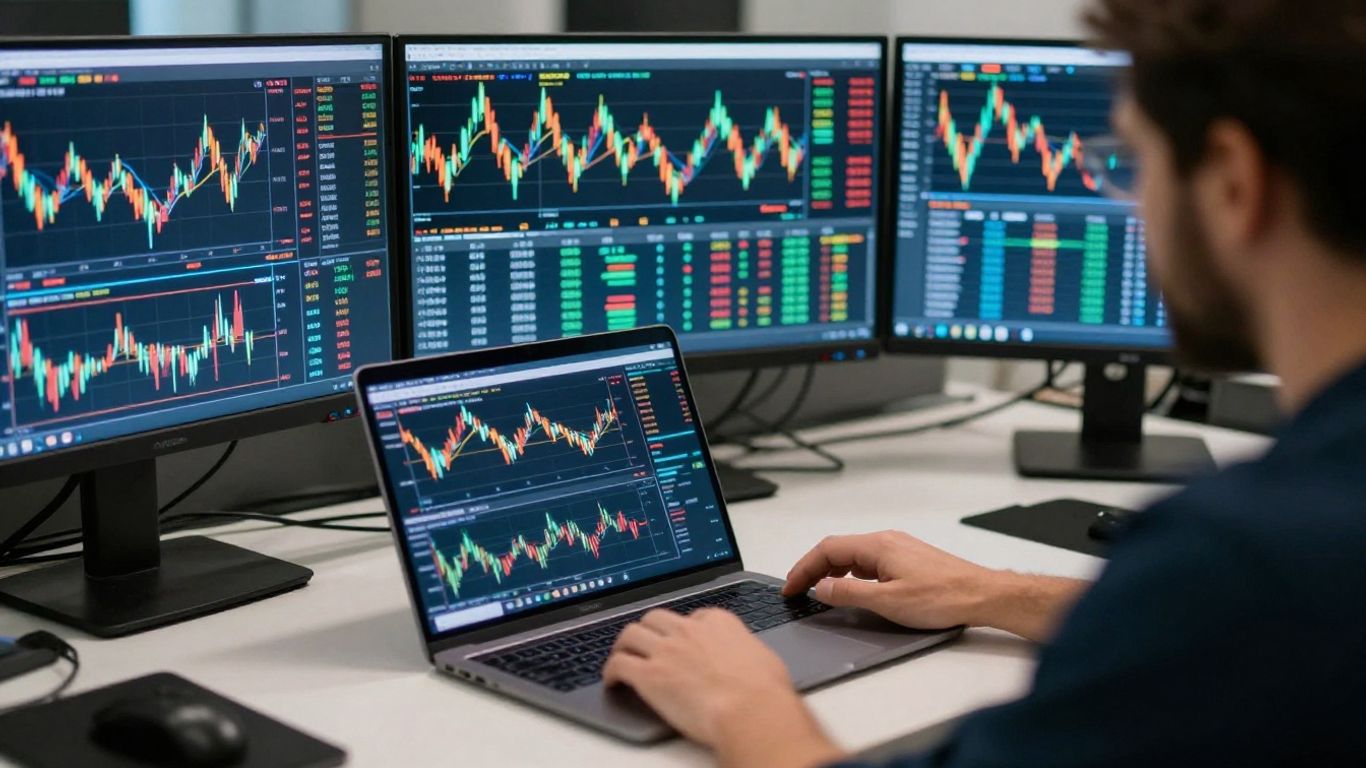
When you’re day trading, the tools and services your brokerage provides can make or break your success. It’s not just about having an account; it’s about having a platform that keeps up with the fast pace of the market and gives you the edge you need. Think of it like a chef needing the right knives and pans – you need the right tech to execute your trades effectively.
Advanced Charting and Technical Analysis Tools
Charts are your eyes and ears in the market. For day traders, basic line graphs just won’t cut it. You need sophisticated charting tools that let you zoom in, add multiple indicators, and spot patterns quickly. Look for brokers that offer:
- Customizable chart types: Candlestick, Heikin Ashi, Renko, and more.
- A wide range of technical indicators: Moving averages, RSI, MACD, Bollinger Bands, and custom indicators.
- Drawing tools: Trendlines, Fibonacci retracements, and support/resistance levels.
- Multi-chart layouts: To view several assets or timeframes simultaneously.
The ability to quickly apply and adjust technical indicators is non-negotiable for identifying potential entry and exit points. Some platforms even allow you to backtest strategies directly on the charts, which is a huge time-saver.
Execution Speed and Reliability
In day trading, milliseconds matter. A slow order execution can mean the difference between a profitable trade and a losing one, especially when you’re trying to capture small price movements. You need a broker that offers:
- Fast order routing: Orders should reach the exchange with minimal delay.
- High uptime: The platform needs to be stable, especially during volatile market hours.
- Direct market access (DMA): For more advanced traders, this can provide better control and speed.
A broker’s infrastructure is paramount. Even the best trading strategy can fail if your orders are consistently delayed or if the platform crashes at a critical moment. Always check reviews regarding platform stability and execution speed.
Real-Time Market Data and News Feeds
Staying informed is key. Day traders need access to up-to-the-minute market data, including Level 2 quotes (which show bid and ask depth) and real-time news. This helps you understand market sentiment and react to breaking events. Key features to look for include:
- Live stock quotes: Not delayed by 15 minutes.
- Level 2 data: Shows the order book for a security.
- Integrated news feeds: From reputable financial news sources.
- Economic calendars: To track important economic releases.
Some brokers, like Webull, offer integrated news digests that can quickly summarize market-moving information, helping you cut through the noise.
Evaluating Brokerage Platforms and Technology
So, you’ve figured out your trading style and what kind of tools you absolutely need. Now comes the part where we look under the hood of the actual trading platforms. This isn’t just about how pretty the interface looks; it’s about how well it works for you, especially when you’re trying to make quick decisions. A clunky platform can really mess with your flow, and nobody wants that when money is on the line.
Platform User Experience and Customization
Think of the trading platform as your command center. You’re going to be spending a lot of time here, so it needs to feel right. Does it make sense to you? Can you arrange the charts, news feeds, and order entry windows in a way that suits how you trade? Some platforms are pretty rigid, while others let you drag, drop, and resize everything. For day traders, being able to see all your critical information at a glance without a ton of clicking around is a big deal. Customization means you can tailor the workspace to your specific needs, whether that’s focusing on a few key charts or keeping an eye on multiple markets simultaneously. A platform that’s easy to get around can seriously cut down on mistakes and frustration.
Integration with Liquidity Providers
This might sound a bit technical, but it’s super important for day traders. Your broker connects to various places where trades actually happen – these are called liquidity providers. The platform needs to talk to these providers smoothly and quickly. If the connection is slow or unreliable, your orders might not get filled at the price you expect, or they might get delayed. This is especially true if you’re trading less common assets or using advanced order types. You want a broker whose platform is built to handle fast, efficient order routing to get you the best possible execution. It’s like having a direct line to the market, rather than going through a bunch of middlemen.
Desktop, Web, and Mobile Accessibility
Where and how do you plan to trade? Most serious day traders prefer a robust desktop application because it usually offers the most features and stability. These desktop platforms often have the most advanced charting tools and can handle complex order types without a hitch. However, you also need to consider web-based access. This is handy for trading from different computers without installing software, and it’s often what powers the mobile app. Speaking of mobile, if you ever need to check on a trade, place a quick order, or monitor news while you’re away from your main setup, a good mobile app is a lifesaver. The best platforms offer a consistent experience across desktop, web, and mobile, so you can pick up where you left off, no matter your device. It’s about having flexibility without sacrificing functionality.
When evaluating platforms, don’t just look at the flashy features. Think about the day-to-day grind. Can you easily set up alerts? How quickly can you enter and exit a trade? Does the platform freeze up during busy market hours? These practical aspects often make or break a trading experience for active traders.
Cost Considerations for Active Traders
When you’re trading actively, the costs can really add up. It’s not just about the price of the stock; it’s about commissions, fees, and how much it costs to borrow money if you’re using margin. Understanding these expenses is super important so they don’t eat into your profits.
Commission Structures and Fees
Most brokers have moved towards commission-free trading for stocks and ETFs, which is great news for day traders. However, there are still costs to watch out for. Options trades usually come with a per-contract fee, and some brokers might have small fees for things like account transfers or inactivity. It’s worth checking if there are volume discounts available, especially if you plan on making a lot of trades.
Here’s a quick look at how some brokers handle commissions:
| Broker | Stock/ETF Trades | Options (Per Contract) |
|---|---|---|
| Interactive Brokers (Lite) | $0 | $0.65 |
| Interactive Brokers (Pro) | $0.005/share ($1 min) | $0.65 |
| E-Trade | $0 | $0.65 |
| Firstrade | $0 | $0 |
Margin Rates and Requirements
Using margin can give you more buying power, letting you control more shares than you could with just your own cash. But, this comes at a cost. Brokers charge interest on the money you borrow, and these rates can vary quite a bit. For active traders, especially those using margin frequently, these interest charges can become a significant expense. Always check the margin rates and understand the requirements. The lower the margin rate, the less you’ll pay in interest, leaving more profit in your pocket.
Account Minimums for Day Trading
Some brokers don’t have a minimum deposit to open an account, which is helpful if you’re just starting out. However, if you plan to day trade frequently, you’ll need to be aware of the "pattern day trader" rule. In the US, this generally means you need to maintain at least $25,000 in your account to make four or more day trades within a five-business-day period. If your account balance drops below this, you might face restrictions on your trading activity until you bring it back up. So, while a low or no minimum is nice for getting started, having enough capital to meet regulatory requirements is key for consistent day trading.
Research, Education, and Support Resources
Quality of Market Research and Analysis
When you’re day trading, having solid information at your fingertips is pretty important. You want a broker that doesn’t just give you a platform, but also provides good research tools. This means access to up-to-date market analysis, economic calendars, and maybe even some analyst reports. It’s not about blindly following what someone else says, but about having different perspectives and data points to help you make your own calls. Some brokers offer basic news feeds, while others have dedicated research departments that put out daily market commentary. Think about what level of detail you need. Do you want quick headlines, or do you prefer in-depth reports on specific sectors or companies?
Educational Materials for Skill Development
Nobody starts day trading as an expert. That’s why a broker’s educational resources can be a real game-changer, especially if you’re still getting the hang of things. Look for brokers that offer a variety of learning materials. This could include:
- Webinars and video tutorials explaining trading concepts.
- Articles and guides covering everything from basic order types to advanced strategies.
- Glossaries of trading terms to help you understand the lingo.
- Simulated trading accounts (paper trading) where you can practice without risking real money.
The more accessible and well-organized these resources are, the better you can build your trading knowledge. It’s like having a mentor available whenever you need one, helping you avoid common pitfalls.
Customer Support Availability and Responsiveness
Let’s be honest, sometimes things go wrong. Your platform might glitch, you might have a question about a trade, or you might just need help with your account. When that happens, you want to know you can reach someone who can actually help, and quickly. Check out what kind of support your potential broker offers. Are they available 24/7, or just during market hours? Do they offer phone support, live chat, or just email? For day traders, quick responses are often key, so a broker with responsive live chat or phone support can be a big plus. It’s worth testing out their support channels before you commit, if possible.
When evaluating customer support, consider not just the channels available, but also the quality of the interaction. A quick response that doesn’t solve your problem isn’t much help. Look for brokers that have knowledgeable staff who can address your specific trading-related questions efficiently.
Choosing the Right Brokerage for Day Trading Success
Finding a brokerage that fits how you want to trade is probably the most important step for actually sticking with day trading long term. Don’t just pick the most popular name—you want something that feels right once you’re actually buying and selling every day.
Comparing Top Brokerages for Day Trading
If you ask around, everyone has a favorite. But lining up their features side-by-side makes it easier to spot the differences.
| Broker | Min. Deposit | Stock Trade Fee | Options Per Contract | Platform Strength |
|---|---|---|---|---|
| Interactive Brokers | $0 | $0 | $0.65 | Advanced/Custom |
| Fidelity | $0 | $0 | $0.65 | Strong Research |
| Charles Schwab | $0 | $0 | $0.65 | Beginner-Friendly |
| Robinhood | $0 | $0 | $0 | Simple Mobile App |
| Webull | $0 | $0 | $0.55 | Good for Beginners |
Other things you might want to consider but that don’t fit neatly in a table: mobile app quality, speed of order execution, and whether they have fast, helpful customer support when things go wrong.
Matching Broker Features to Your Strategy
Everyone’s trading process is a little different, so it’s smart to match your needs to each broker’s real strengths:
- If you need speed and advanced order types, look for the brokers known for their tech and deep customization.
- Want to keep things simple or just getting your feet wet? Pick platforms with lots of tutorials and a user-friendly design.
- If you’re looking to trade on your lunch break or while out and about, check that the mobile interface is actually usable and supports all the same features as desktop.
- Some folks care more about low costs, others about research, and some about community. Decide what matters most to you.
Making the Final Decision for Your Trading Journey
It can be overwhelming with all the options, but decision-making gets a lot easier when you put all your needs down on paper first:
- Write a list of must-have features, nice-to-haves, and deal-breakers.
- Test drive (most brokers now offer demo accounts).
- Don’t be afraid to switch if your first choice doesn’t actually work for your workflow.
Take your time comparing, and remember that switching platforms is way less hassle than sticking with the wrong one. Sometimes, the biggest difference is how easy (or not) it feels to bang out a trade when the market’s moving fast. Start with what fits your routine, not just what everyone else is using.
Wrapping It Up
So, picking the right broker is a big deal for anyone wanting to trade stocks, especially day trading. It’s not just about the cheapest option anymore since most places offer free trades. What really matters now are the tools and features they give you. Think about what you need – are you just starting out, or are you looking for super advanced stuff? Does mobile trading matter most, or do you need solid research tools? Take your time, look at what different brokers offer, and match it up with your own trading style and goals. Getting this right from the start can make a huge difference in your journey. Don’t overthink it too much, though; the most important thing is to just get started.
Frequently Asked Questions
What’s the most important thing to think about when picking a stock broker?
The biggest thing is to figure out what *you* need. Are you just starting out and need lots of help, or are you a pro looking for super-fast trades? Think about how you like to trade – on your phone, computer, or both? Once you know what you want, you can find a broker that offers it.
Do I need a lot of money to start day trading?
Not always! Many brokers have lowered the amount of money you need to open an account. However, day trading can be risky, and it’s wise to only trade with money you can afford to lose. Some brokers might suggest a higher starting amount for day trading because it’s more active.
Are there special tools day traders need?
Yes! Day traders often need really fast ways to buy and sell stocks, so the broker’s system needs to be super quick and reliable. They also like tools that show lots of charts and information all at once, helping them see what the market is doing right now.
Is it okay to use a broker that’s good for beginners if I want to day trade?
It depends. If you’re new to day trading, a beginner-friendly broker with good learning materials and easy-to-use tools might be a good start. But if you plan to trade a lot and need advanced features, you might outgrow a basic platform quickly. It’s all about matching the broker to your skill level and goals.
How do brokers make money if trading is free?
Many stock trades are free now, which is great for traders! Brokers can still make money in other ways. They might charge small fees for things like options trades (per contract), or if you borrow money to trade (that’s called margin). They also might earn interest on the cash you have sitting in your account.
What if I need help while I’m trading?
Good brokers offer different ways to get help. This could be through phone calls, online chat, or even email. They also usually have lots of articles, videos, and guides on their website to teach you about trading and how to use their platform. Having good support can be a real lifesaver when you’re trading.