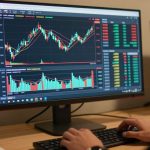
Picking the right place to trade forex can feel like a big deal. It’s your main connection to the markets, after all. You want something that works well, doesn’t cost too much, and helps you trade the way you want. This article breaks down what to look for in a trading platform and how to find the best forex broker trading platform that fits your needs.
Key Takeaways
- Look for brokers that are regulated by official bodies to keep your money safe.
- Compare trading costs like spreads and fees to make sure they don’t eat into your profits.
- A reliable trading platform is key; check reviews for speed and stability.
- Consider what tools you need, like charting or automated trading, based on your strategy.
- Don’t forget about customer support and how easy it is to deposit and withdraw funds.
Understanding the Core Components of a Forex Trading Platform
When you’re looking to trade currencies, the platform you use is pretty important. It’s not just about looking at charts; it’s about having the right tools and a system that works for you. Think of it like a car – you wouldn’t want one that’s hard to steer or breaks down all the time, right? The same goes for trading. You need something that’s easy to get around in and that you can count on when the market gets busy.
Defining Platform Essentials: User-Friendliness and Reliability
First off, let’s talk about ease of use. A good platform should feel natural to use, even if you’re just starting out. You shouldn’t have to spend hours figuring out how to place a trade or find the information you need. A clean, straightforward layout makes a big difference. This also ties into reliability. When you decide to make a trade, you want it to happen quickly and without glitches. Imagine trying to enter an order during a big market move, only for the platform to freeze up. That’s a recipe for frustration and potential losses. So, look for platforms known for being stable and responsive.
Prioritizing Security and Regulatory Compliance
Next up is security. You’re dealing with your money, so you need to know it’s safe. This means the platform should have strong security measures in place to protect your account and personal details. Beyond that, there’s regulatory compliance. This basically means the broker and the platform follow rules set by financial authorities. It’s a sign that they’re operating honestly and are held accountable. You can usually find information about their regulatory status on the broker’s website. It’s worth checking out.
Evaluating Essential Tools and Features
Finally, what can the platform actually do? You’ll want to see a good set of tools. This includes things like:
- Charting capabilities: Being able to see price movements clearly and customize your charts is key for analysis.
- Order types: Having different ways to enter trades (like stop-loss or limit orders) gives you more control.
- Market data: Access to real-time prices and news helps you stay informed.
The best platforms offer a balance. They provide enough advanced features to satisfy experienced traders without overwhelming newcomers. It’s about finding that sweet spot where you have the power you need, but it’s still accessible.
Some platforms might also offer automated trading options or access to trading signals, which can be useful depending on your style. It’s all about what helps you execute your trading strategy effectively.
Navigating Popular Forex Broker Trading Platforms
When you’re looking for a place to trade forex, you’ll see a lot of different platform names. Some are super common, almost like the default choice for many, while others are a bit more specialized. It’s good to know what these are so you can figure out which one might fit what you’re trying to do.
MetaTrader 4 and MetaTrader 5: Industry Standards
These two, MT4 and MT5, are probably the most talked-about platforms out there. They’ve been around for a while and a lot of brokers use them. They’re known for being pretty solid and having a lot of features that traders, both new and experienced, can use. You can customize charts, add indicators to help you analyze things, and even set up trades to happen automatically using something called Expert Advisors (EAs).
- MT4: This one is a classic, especially for forex. It’s straightforward and many traders feel comfortable with it.
- MT5: Think of this as the upgraded version. It can handle more types of markets beyond just forex, like stocks and commodities, and has some extra tools.
Most brokers that offer these platforms will let you download them or use a web-based version. They also usually have demo accounts so you can practice without risking real money.
It’s worth noting that while MT4 and MT5 are popular, they are separate platforms. You can’t just switch from MT4 to MT5 and expect everything to be the same. They have different programming languages for EAs and different ways of handling orders.
Exploring cTrader and TradingView Alternatives
While MT4 and MT5 are giants, other platforms are gaining traction. cTrader is often praised for its clean look and direct market access, which can mean faster trade execution. It’s designed to be quite intuitive, which is a big plus.
TradingView is a bit different. It’s really strong on the charting side. Many traders use it just for its advanced charting tools and social networking features where traders share ideas. Some brokers integrate TradingView charts into their own platforms, or you can use it alongside another trading platform.
WebTrader and ECN Platforms for Advanced Traders
If downloading software sounds like a hassle, WebTrader platforms are a good option. You just log in through your web browser and start trading. They’re usually pretty simple to use and accessible from anywhere.
For those who want a more direct connection to the market, ECN (Electronic Communication Network) platforms are the way to go. These connect you directly to other participants in the market, like banks and other traders. This can lead to very quick order fills and often tighter spreads, but they’re typically used by more experienced traders who understand how these markets work.
Key Criteria for Selecting the Best Forex Broker Trading Platform

Picking the right trading platform is a big deal. It’s your main connection to the markets, and honestly, a bad platform can really mess with your trading. You want something that just works, you know? Not something that crashes when you’re trying to make a trade or has confusing buttons everywhere. So, what should you actually look for? Let’s break it down.
Assessing Broker Regulation and Licensing
This is probably the most important thing. You need to know that your money is safe and that the broker is playing by the rules. Think of it like this: would you rather buy a car from a licensed dealership or some guy in a parking lot? It’s kind of the same idea. Brokers that are regulated by authorities like the FCA in the UK or ASIC in Australia have to follow strict guidelines. This means they have to keep client funds separate from their own money and generally operate with more transparency. It’s a big sign that they’re serious and not just trying to take your cash. For example, OANDA is known for being highly regulated, which is a big plus for traders concerned about security.
Analyzing Spreads, Commissions, and Fees
Costs can add up fast in trading. You’ve got spreads, which are the difference between the buy and sell price, and sometimes commissions, plus other fees. Some brokers might look cheap at first glance, but then they hit you with high spreads or hidden charges. It’s worth comparing a few. For instance, if you’re a scalper, even a tiny difference in spread can make a big impact on your profits. Always check the fee structure carefully. It’s not always about the lowest number, but about what’s transparent and fair for the service you get.
Here’s a quick look at common costs:
- Spreads: The difference between the bid and ask price. Can be fixed or variable.
- Commissions: A fee charged per trade, often seen with ECN brokers.
- Swap Fees: Charged for holding positions overnight.
- Inactivity Fees: Some brokers charge if your account is dormant.
Evaluating Platform Reliability and Execution Speed
When you decide to place a trade, you want it to happen now, not in a few minutes. A platform that’s slow or crashes during busy market times can cost you money. You might miss out on a good entry or exit point, or worse, get a price that’s way different from what you expected. Look for brokers that are known for having stable platforms and fast trade execution. Reading reviews from other traders can give you a good idea of how reliable a platform is, especially during volatile periods. A platform that’s consistently available and executes trades quickly is a huge advantage.
The platform is your direct link to the market. If it’s not dependable, your trading strategy is built on shaky ground. You need to be able to trust that when you click ‘buy’ or ‘sell’, the order goes through smoothly and at a price that reflects the market at that moment. This isn’t just about convenience; it’s about protecting your capital and giving your strategy a fair chance to work.
Features That Enhance Your Trading Experience
Beyond just placing trades, the platform you use can really make a difference in how smoothly you operate and how much you can get done. Think of it like having the right tools in a workshop; they don’t just help you do the job, they make it easier and faster. Some features are pretty standard now, but others can give you a real edge.
Leveraging Advanced Charting and Technical Indicators
Charts are where you’ll spend a lot of time, so having good ones is a big deal. Most platforms offer basic line charts, but you’ll want more. Look for candlestick charts, bar charts, and line charts, and the ability to change timeframes easily – from minutes to days or even weeks. Beyond just the chart types, the real power comes from the indicators. These are tools that analyze price and volume data to give you signals about potential market moves. You’ll find common ones like Moving Averages, MACD, RSI, and Bollinger Bands built-in. The best platforms let you add more, customize their settings, and even save your favorite indicator combinations for quick access.
- Customizable Chart Layouts: Save your preferred chart setups with specific indicators and timeframes.
- Drawing Tools: Lines, Fibonacci retracements, and shapes to mark support/resistance levels or trendlines.
- Alerts: Set price alerts so you don’t have to stare at the screen all day.
Having a solid charting package means you can do your homework right on the platform, without needing to switch to another program. This saves time and helps you spot opportunities faster.
Utilizing Automated Trading and Expert Advisors
If you’re interested in letting the computer do some of the work, automated trading is where it’s at. This usually involves using something called Expert Advisors (EAs) or trading robots. You can either buy pre-made EAs or, if you have some coding skills, create your own. These EAs can be programmed to open and close trades based on specific conditions you set, like when certain indicators cross. It’s not about letting a robot trade for you blindly, though. You still need to monitor their performance and adjust settings. Some platforms are better than others when it comes to supporting EAs, with MetaTrader 4 and 5 being particularly popular for this.
Understanding Mobile Trading Capabilities
Let’s face it, you’re not always going to be at your desk. That’s where mobile trading apps come in. A good mobile app should mirror the functionality of the desktop version as much as possible. You should be able to view charts, place trades, manage open positions, and check your account balance easily. The interface needs to be clean and responsive, even on smaller screens. Some apps even let you set up alerts or use basic charting tools on the go. It’s not always as powerful as the desktop version, but for quick checks or managing trades while you’re out and about, it’s incredibly useful.
| Feature | Importance for Mobile Trading |
|---|---|
| User Interface | High |
| Charting Tools | Medium |
| Order Execution | High |
| Account Overview | High |
| Push Notifications | Medium |
Choosing a Platform Aligned with Your Trading Strategy
Platform Suitability for Beginners
If you’re just dipping your toes into the forex market, the platform you pick can make a big difference in how quickly you learn and how much you enjoy the process. You don’t want something overly complicated that makes you feel lost. Look for platforms that are straightforward to use, maybe with a clean layout and clear buttons. Demo accounts are a lifesaver here; they let you practice with fake money so you can get a feel for placing trades and using the tools without risking your actual cash. Good educational materials, like tutorials or guides, are also a huge plus. Think of it like learning to drive – you want a car that’s easy to handle and maybe has a patient instructor nearby.
Platform Requirements for Experienced Traders
Once you’ve been trading for a while, your needs change. You’re probably past the basics and looking for more advanced features that can help you refine your strategies. This might mean needing platforms that offer:
- Advanced charting tools: More indicators, drawing tools, and customization options to analyze price movements in detail.
- Automated trading capabilities: The ability to use or develop Expert Advisors (EAs) to execute trades based on predefined rules.
- Direct market access (ECN): For faster execution and potentially tighter spreads, especially if you trade frequently.
- Backtesting features: To test your trading strategies on historical data before risking real capital.
Experienced traders often gravitate towards platforms like MetaTrader 4 or 5, or even more specialized ECN platforms, because they offer the depth and flexibility required for complex trading.
Considering Specific Trading Styles and Needs
Your trading style is a big factor in platform choice. Are you a scalper who makes many quick trades, or a long-term investor who holds positions for days or weeks? Do you focus on specific markets, like gold or certain currency pairs?
- Scalpers: Need platforms with extremely fast execution speeds and low spreads to make small profits on many trades. WebTrader or ECN platforms might be better suited.
- Day Traders: Benefit from platforms with good charting, quick order entry, and reliable performance throughout the trading day. MT4/MT5 are popular choices.
- Swing Traders/Position Traders: May prioritize platforms with robust analytical tools and the ability to hold positions overnight without excessive fees.
- Commodity Traders (e.g., Gold): Need to ensure the platform supports trading in those specific instruments and offers relevant analytical tools.
It’s not just about the platform itself, but how well it supports the specific way you want to trade. If you plan to trade gold, for example, make sure the platform you choose allows for that and provides the necessary charts and data to analyze its movements effectively. Similarly, if you’re interested in using leverage, understand how the platform presents and manages it, as it can significantly impact your risk exposure.
Think about what you want to achieve with your trading and then find a platform that helps you get there, rather than trying to fit your style into a platform that doesn’t quite work for you. Sometimes, a platform that seems a bit more basic but is incredibly reliable for your specific needs is better than a feature-packed one that’s prone to glitches. Your trading success often hinges on these practical considerations.
Beyond the Platform: Additional Broker Services

So, you’ve found a trading platform that feels right. That’s a big step, but the platform itself is only part of the picture. A good forex broker provides more than just a place to trade; they offer services that can really make a difference in your journey. Think of it like buying a car – the engine is important, but so are the seats, the sound system, and whether the dealership offers good maintenance.
The Importance of Educational Resources and Market Insights
For anyone starting out, or even for seasoned traders looking to refine their approach, educational materials are gold. Brokers often provide a range of resources, from basic forex guides to more advanced webinars and articles. These can help you understand market dynamics, learn about different trading strategies, and stay informed about economic events that move currency prices. It’s not just about learning the ropes; it’s about continuous improvement. Some brokers even integrate market news and analysis directly into their platforms, giving you quick access to information that might influence your trades. This kind of insight can be incredibly helpful when you’re trying to make quick decisions.
Evaluating Customer Support and Account Management
When things go wrong, or you just have a question, good customer support is a lifesaver. You want to know you can reach someone when you need to, whether it’s through live chat, email, or a phone call. Consider what hours their support is available – is it during your trading hours? Also, think about account management. Some brokers assign you a dedicated account manager, which can be useful for personalized assistance, especially if you have a larger account. Others offer a more general support system. It’s worth checking out reviews to see what other traders say about their support experiences.
Understanding Deposit and Withdrawal Processes
This might not be the most exciting part, but it’s super important. How easy is it to get money into your trading account, and more importantly, how quickly and smoothly can you withdraw your profits? Look into the different deposit methods available (bank transfer, credit card, e-wallets) and any associated fees. For withdrawals, check the processing times and any limits or verification steps required. A broker that makes these processes straightforward and transparent builds trust. You don’t want to be stuck waiting weeks for your funds or dealing with confusing paperwork when you need to access your money. For those in the US, it’s important to find top forex brokers in the USA that meet regulatory standards and offer clear transaction procedures.
Here’s a quick look at what to consider:
- Deposit Methods: Bank wire, credit/debit cards, e-wallets (like PayPal, Skrill).
- Withdrawal Times: Typically 1-5 business days, but varies by broker and method.
- Fees: Check for any hidden charges on deposits or withdrawals.
- Currency: Ensure your account currency aligns with your primary funding source to avoid conversion fees.
Choosing a broker isn’t just about the trading platform. The support services, educational tools, and the ease of managing your funds all play a significant role in your overall trading success and peace of mind. Don’t overlook these aspects when making your decision.
Wrapping It Up
So, picking the right forex broker and their trading platform is a big deal. It’s not just about picking the first one you see. Think about what you need – are you just starting out and need lots of help, or are you a pro looking for super-fast trades? Make sure the broker is legit and regulated, so your money is safe. Also, check out the costs involved; nobody wants surprise fees eating into their profits. The platform itself should be easy to use and have the tools you actually need. Don’t forget to look at how easy it is to get your money out and if they have people to help when you get stuck. It might take a little time to find the right fit, but having a good broker and platform is like having a solid partner in your trading journey. It really can make a difference in how successful you are.
Frequently Asked Questions
What are the most important things to look for in a trading platform?
The best trading platforms are easy to use, super secure, and always work when you need them. They should also have cool tools like charts and ways to trade automatically. Plus, they shouldn’t cost too much to use.
What’s the difference between MetaTrader 4 and MetaTrader 5?
MetaTrader 4 is mostly for trading currencies (Forex) and has handy tools for looking at charts and trading automatically. MetaTrader 5 is newer and can be used for trading more things, like stocks and other goods, not just currencies.
How can a beginner pick the right trading platform?
If you’re new to trading, pick a platform that’s simple to figure out. Look for ones with practice accounts (demo accounts) and lots of learning materials. Good customer help is also a big plus.
Can I trade gold or other items on these platforms?
Yes, many platforms let you trade gold and other stuff besides just currencies. Platforms like MetaTrader 4 and 5 have tools to help you trade gold, and you can even find guides on when it’s a good time to trade it.
What does ‘leverage’ mean in Forex trading?
Leverage is like borrowing money from your broker to make bigger trades than you could with just your own money. It can help you make more profit, but it also means you could lose more money if things go wrong.
Why is it so important to choose a regulated broker?
Trading with a regulated broker means they have to follow strict rules to keep your money safe and be honest with you. It’s like having a safety net, so you’re less likely to get ripped off or lose your money unfairly.