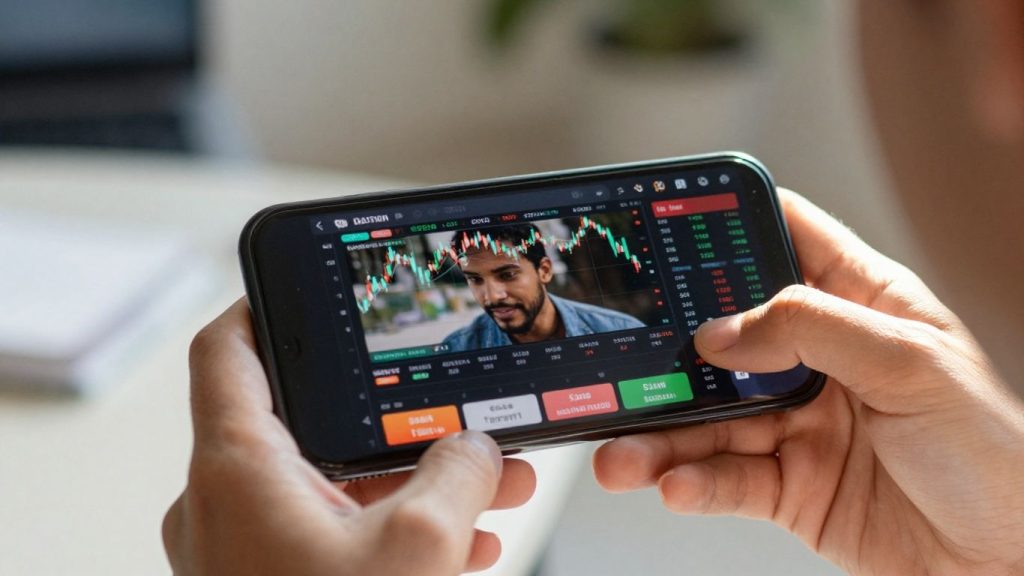
Thinking about jumping into day trading in 2026? It can seem a little intimidating at first, with all the charts and fast-moving prices. But honestly, picking the right platform can make a huge difference. We’ve checked out some of the top spots that are good for folks just starting out. They offer things like easy-to-use tools, ways to practice without using real money, and helpful guides to get you going. Finding the best day trading platform for beginners means looking for something that doesn’t overwhelm you but still gives you what you need to learn the ropes.
Key Takeaways
- When choosing the best day trading platform for beginners, focus on user-friendly interfaces and clear navigation to avoid confusion during fast market moves.
- Look for platforms offering robust paper trading or demo accounts. This lets you practice strategies and get comfortable with the platform without risking real money.
- Low commissions and fees are important for day trading, as small profits can easily be eaten up by trading costs. Check for hidden charges too.
- Educational resources, like tutorials, webinars, and guides, are vital for beginners to understand trading concepts, technical analysis, and risk management.
- Prioritize platforms that offer reliable execution speed and stability, especially during busy market hours, to ensure your trades are placed as intended.
1. Moomoo
Moomoo shows up on a lot of new traders’ radars, and honestly, for good reason. It packs a heavy set of features into an environment that’s actually comfortable for someone who’s just starting out. You’re not overwhelmed by endless buttons or menus, but you don’t run out of stuff to explore once you get the hang of the basics. I tried it myself last month and you can really see how the focus is on beginner confidence, not just flashy tools.
Here’s what stands out with Moomoo Canada:
- Real-time data for US, Chinese, and Hong Kong markets, so you’re not left guessing about prices
- Totally commission-free trading on stocks, ETFs, and options
- A whole set of technical indicators and drawing tools—even if you’re new, they’re easy to try out
- Paper trading mode if you want to practice with fake money before risking your own
- Integrates advanced AI analytics for trade ideas and stock screeners
| Feature | Details |
|---|---|
| Commission | $0 on stocks, ETFs, options (US & HK) |
| Real-time Market Data | Free; covers US, China, HK |
| Paper Trading | Available; unlimited practice runs |
| Charting Tools | Professional-grade with AI-powered features |
If you’re just starting out, Moomoo’s learning curve feels a lot less steep than you’d expect from something this capable—it lays out everything you need without making you feel lost. The research tools are more than enough for basic strategies, and if you ever want to get further into advanced analysis, it’s all right there waiting.
Give it a try and you’ll see why so many people stick with its professional-grade charting and low commissions as they keep learning.
2. Webull
Webull is a pretty slick platform, especially if you like doing most of your trading on your phone. It’s got this really clean interface that’s easy to get around, even if you’re just starting out. They’ve packed it with a bunch of tools that are actually useful, not just a bunch of clutter.
One of the things that stands out is how much you can customize the app. You can tweak your charts, add a bunch of different indicators – they say over 50 – and set it up so it shows you exactly what you want to see. This is great for beginners because you can start simple and add complexity as you learn.
Here’s a quick look at what Webull offers:
- Commission-free trading: You won’t pay fees for stocks, ETFs, and options.
- Extended trading hours: You can trade from 4 a.m. to 8 p.m. EST, which is a big deal if you want to react to news that comes out overnight.
- Paper trading: They offer unlimited virtual funds for practice, so you can try out strategies without risking real money.
- Low margin rates: If you decide to trade on margin, their rates are pretty competitive, which can help keep costs down.
- Community forums: You can connect with other traders, share ideas, and learn from what others are doing.
Webull also gives you access to affordable Level II data, which can give you a better look at market depth. This is something usually reserved for more advanced traders, so it’s a nice perk for those looking to get a bit more serious.
They also have a paper trading feature that’s pretty generous, letting you practice with unlimited virtual funds. This is super important for beginners – you can mess around, make mistakes, and learn the ropes without losing any actual cash. It’s a good way to build confidence before you start putting your own money on the line.
3. Fidelity
Fidelity is a solid choice for anyone just starting out in day trading. They’ve really stepped up their game with educational content, making it easier to learn the ropes. Think short, engaging videos that feel a bit like social media, but packed with financial info. It’s a good way to get your feet wet without feeling overwhelmed.
What’s cool is that Fidelity grows with you. You can start with their basic web and mobile tools, and as you get more comfortable, you can move up to more advanced platforms like Active Trader Pro. They even have a newer mobile mode called Trader+ that syncs your charts and layouts across devices, which is pretty handy.
Here’s a quick look at some of their fees:
| Feature | Cost |
|---|---|
| Stock Trades | $0.00 |
| ETF Trades | $0.00 |
| Options (Per Contract) | $0.65 |
| Mutual Fund Trades | $0.00 |
Fidelity also has some great research tools. Their economic calendar, for example, is really well done. It clearly shows you what events are coming up that might move the market and explains why they matter to investors. This kind of context is super helpful when you’re trying to figure out what’s going on.
They offer a lot of different investment options, from stocks and ETFs to bonds and options. Plus, they have fractional shares, which means you can buy a piece of a stock even if you don’t have enough money for a whole share. This makes it easier to build a diverse portfolio without a huge initial investment.
One thing to note is that while they have a great mobile app, it might not be specifically designed for super-fast, active day trading. However, for beginners, the overall package of low costs, good tools, and plenty of learning resources makes Fidelity a really strong contender.
4. Interactive Brokers
Interactive Brokers, often just called IBKR, is a platform that serious traders tend to gravitate towards. It’s built for people who want a lot of control and access to a wide range of markets, and it’s the kind of place where you can keep growing your trading skills without hitting a wall.
IBKR actually offers a few different ways to access their services, which is pretty neat. They have the main IBKR Mobile app, which is like the all-in-one tool. Then there’s IBKR Global Trader, and even IBKR IMPACT for those who want to invest based on their values. For beginners, the IBKR Lite version is a good starting point because it offers commission-free trades on stocks and ETFs. This can really help when you’re just starting out and trying to get a feel for things without worrying too much about every single trade costing you money.
What really sets IBKR apart are the tools they provide. If you’re into charting, you’ll find a ton of indicators and ways to customize your view. Options traders get a lot of features too, making it easier to build complex strategies. They also have advanced order types that most other brokers don’t even offer, which can be really useful once you know what you’re doing.
While IBKR has a reputation for being for advanced traders, the Lite version and their extensive educational resources make it accessible for beginners who are serious about learning and plan to grow their trading capabilities over time. It’s a platform that can grow with you.
Here’s a quick look at some of their pricing:
| Feature | Cost |
|---|---|
| Stock Trades | $0.00 |
| Options (Per Contract) | $0.65 |
| Minimum Deposit | $0.00 |
5. Charles Schwab
Charles Schwab is a solid choice if you’re looking for a platform that supports you from your very first trade all the way through to more complex investing strategies. They’ve got this thing called the Schwab Starter Kit, which is pretty neat for beginners. It basically walks you through the basics and gives you some hands-on practice. Plus, they have "Stock Slices," which lets you buy parts of shares from big companies in the S&P 500, making it easier to get started without a huge chunk of cash.
When it comes to research, Schwab doesn’t mess around. Their platform, especially the thinkorswim tools they acquired, is top-notch. You get detailed info on stocks and ETFs, and they even have daily market updates that break down what’s happening and why. It’s not just dry data; they try to explain the significance of it all. They also pull in research from other big names like Morningstar, so you’re getting a lot of different perspectives.
Here’s a quick look at some of their trading costs:
| Feature | Cost |
|---|---|
| Stock/ETF Trades | $0.00 |
| Options (Per Contract) | $0.65 |
| Account Minimum | $0.00 |
While Schwab is great for long-term investing and offers robust tools, it’s worth noting that paper trading, a common practice tool for beginners, isn’t directly available on their main platform. However, the depth of their educational resources and the quality of their research tools can help bridge that gap for those willing to learn.
Schwab also offers a wide range of account types, from individual and joint accounts to IRAs and retirement plans, so it can grow with you. They even have physical branches if you prefer in-person help, which is pretty rare these days.
6. E*TRADE
E*TRADE is a solid choice for beginners looking to get into day trading, especially if you like doing things from your phone. It’s got this really clean app that’s easy to figure out right away. You can set up watchlists for stocks you’re watching, check out research from Morgan Stanley analysts, and get alerts. It feels like it’s built for people who are just starting out but also has room to grow as you get more comfortable.
When you’re just starting, the main E*TRADE app is pretty straightforward. It’s got helpful stuff like practice trading, which is super useful for trying out strategies without risking real money. They also have a bunch of articles and videos to help you learn the ropes, though sometimes it can feel like a lot to sort through.
Here’s a quick look at some of their features:
- Zero commission fees: You won’t pay commissions on stock, ETF, and options trades.
- Mobile trading: A user-friendly app that lets you trade, research, and manage your account on the go.
- Educational resources: A library of articles, videos, and webinars to help you learn about trading.
- Practice trading: A demo account to test your strategies risk-free.
If you decide to get more serious about trading, ETRADE has another app called Power ETRADE. It’s designed for more active traders and has advanced tools, but you don’t have to jump into that right away. You can start simple and move up when you’re ready. They also have a robo-advisor option called Core Portfolios if you want a more hands-off approach, though that does have a minimum deposit and a fee. Overall, E*TRADE from Morgan Stanley provides a good mix of ease of use and tools for new traders.
E*TRADE makes it easy to get started with trading, offering a platform that’s accessible for beginners but also has the depth for more experienced traders down the line. The focus on mobile usability and readily available educational content makes it a strong contender for anyone wanting to make their first trades.
7. TradeStation

TradeStation is a platform that really tries to give you a lot of tools without making it too complicated, especially if you’re just starting out. They’ve got this thing called YouCanTrade, which is basically their way of helping beginners get a handle on how to trade more systematically. It’s good if you’re the type who likes to get into the details and maybe use some more advanced charting tools, but you can still start with smaller amounts.
They offer commission-free trades up to a certain volume, which is a nice perk.
Here’s a quick look at what they provide:
- Fast Order Execution: They claim average execution times of around 0.038 seconds. That’s pretty quick.
- TradingView Integration: If you like charting, this platform connects with TradingView, giving you more options for analyzing charts.
- Educational Resources: The YouCanTrade platform has webinars and other learning materials to help you figure things out.
- Paper Trading: You can practice with a simulator before putting real money on the line.
- Market Access: You can trade stocks, options, futures, and even crypto.
TradeStation aims to bridge the gap between beginner-friendly features and the power needed for more active trading. Their focus on educational support and a robust simulator means you can learn and practice without immediate financial risk, making it a solid choice for those looking to grow their trading skills.
They also support international accounts, which is a plus if that applies to you. It feels like a platform that grows with you, starting simple but having more advanced features ready when you are.
8. Tastytrade
Tastytrade is a platform that really leans into options trading, and while that might sound a bit intimidating for beginners, they’ve built a lot of tools to make it more approachable. They focus heavily on teaching strategies, especially around volatility, which is a big deal if you’re looking to understand how prices move.
Their whole philosophy seems to be about educating you on the ‘why’ behind trades, not just the ‘how’.
What stands out is their approach to options pricing and risk. They use a lot of visual aids and probability metrics that can help you see potential outcomes more clearly. It’s not just about picking a stock; it’s about understanding the probabilities involved in different trade setups.
Here’s a quick look at what they offer:
- Low Options Commissions: They have a pretty competitive rate for options contracts, with a cap, which is nice for active traders.
- Advanced Analytics: Tools that show probability of profit, breakeven prices, and other metrics that help you gauge risk.
- Extensive Education: A huge library of videos, articles, and even live trading shows where you can watch experienced traders make decisions.
- Paper Trading: You can practice all their strategies with virtual money before you put real cash on the line.
While Tastytrade is great for learning options, remember that options themselves carry a higher risk than just buying stocks. It’s smart to start with their educational materials and paper trading to get a feel for it before you commit real money. They make it easy to learn, but the underlying complexity of options is still there.
If you’re someone who wants to get into the weeds with options and understand the mechanics of trading volatility, Tastytrade is definitely worth a look. They’ve got a solid setup for learning and practicing these more complex strategies.
9. Robinhood
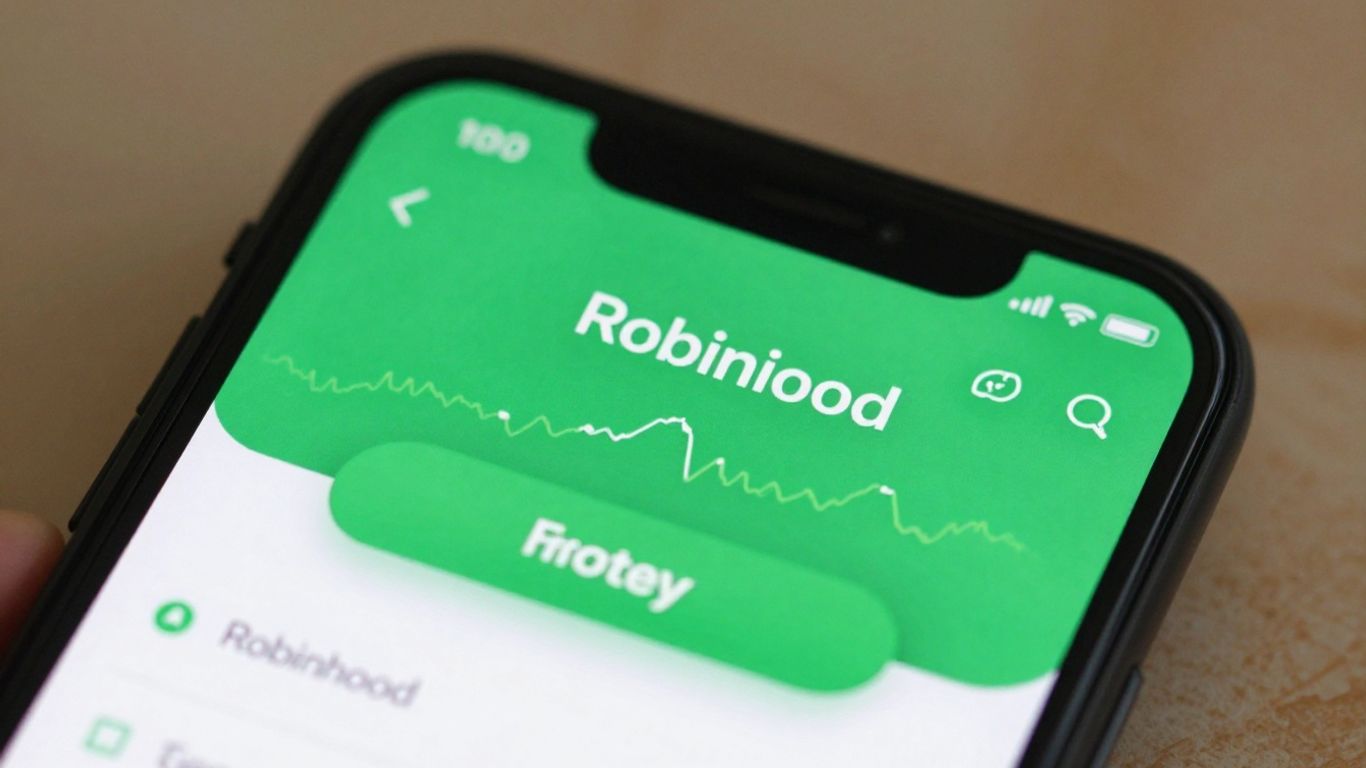
Robinhood really made a name for itself by making trading super accessible, especially for folks just starting out. Their app is designed to be really easy to use, so you don’t get bogged down with complicated menus or confusing terms. You can buy stocks, ETFs, and even options without paying a commission, which is a big deal when you’re trying to keep costs low.
One of the cool things about Robinhood is how they explain things. They have this section called The Investor’s Guild, and it breaks down market stuff in a way that actually makes sense. It’s not like reading a textbook; it feels more like a chat with someone who knows their stuff but doesn’t use a bunch of fancy jargon. They also have a decent amount of educational material to help you learn as you go.
Here’s a quick look at what Robinhood offers:
- Commission-Free Trading: No fees for buying or selling stocks and ETFs.
- User-Friendly App: Simple interface that’s easy to navigate.
- Educational Resources: The Investor’s Guild provides clear explanations of market concepts.
- Fractional Shares: Allows you to buy parts of expensive stocks.
- IRA Match: Offers a 3% match on IRA contributions.
While Robinhood is great for getting started and making simple trades, it’s not the best place if you’re looking for really in-depth research tools or complex charting. You won’t find things like economic calendars or detailed sector analysis readily available on the platform. It’s more about straightforward trading than deep market dives.
They also have a welcome bonus sometimes, like a free share of stock when you sign up and link your bank account, which is a nice little perk to get you going.
10. Goat Funded Trader
Goat Funded Trader isn’t your typical day trading platform, but it’s a really interesting option for beginners looking to get into the game without immediately risking their own cash. Think of it more like a stepping stone, a prop firm that uses simulated trading to get you ready for real money.
They offer a path from simulated practice to a funded account. You start with a challenge, which is basically a test to see if you can trade consistently under certain rules. If you pass, you get access to a larger simulated trading account, and they share the profits with you. This setup lets you learn and earn without the huge upfront risk.
Here’s a quick look at what they offer:
- Simulated Capital: Access to virtual trading accounts that can go up to $800,000 (or even $2 million in some cases).
- No Time Limits: You don’t have to rush through your practice trades; take your time to prove consistency.
- Profit Splits: They offer generous profit splits, sometimes up to 100 percent, and triple paydays.
- Funding Options: You can choose between customizable challenges or instant funding if you’re confident in your skills.
- Payment Guarantee: They promise fast payouts, with a penalty if they’re late.
- Discounts: Often, there are signup discounts available, making it more affordable to get started.
The biggest draw here is the ability to practice with significant virtual capital and learn risk management rules in a structured environment. It bridges the gap between a simple demo account and trading with your own money, which can be a big hurdle for new traders.
While it’s not a platform where you directly connect to the stock market with your own funds from day one, Goat Funded Trader provides a unique way to build confidence and skills. It’s a good choice if you’re looking for a clear progression path and want to trade with larger amounts than you might be comfortable risking initially.
Ready to Make Your First Trades?
So, you’ve looked at some of the top day trading platforms out there for beginners in 2026. It can feel like a lot to take in, right? Remember, the goal isn’t to become a millionaire overnight. It’s about picking a platform that feels right for you, using those paper trading accounts to get a feel for things, and starting small. Don’t rush into trading with real money until you’re comfortable. Keep learning, stick to a plan, and focus on building good habits. The market’s always there, so take your time and make those first trades with confidence.
Frequently Asked Questions
What is day trading and why is it risky?
Day trading means buying and selling stocks or other things within the same day. The goal is to make small profits quickly. It’s risky because you have to guess the market’s moves correctly, and many people lose money doing it. It’s like a full-time job that requires constant attention and quick decisions. Most people who try it don’t make money consistently.
Do I need a lot of money to start day trading?
While some platforms don’t have minimums to open an account, you generally need at least $25,000 in your account to day trade stocks freely in the U.S. due to a rule called the Pattern Day Trader rule. It’s also smart to only use a small part of your total money, maybe 5% to 10%, for day trading so you don’t lose too much if things go wrong.
What’s the most important thing to look for in a day trading platform for beginners?
For beginners, the most important things are a platform that’s easy to use and understand, offers good learning tools like tutorials and practice accounts, and has low fees. You want to be able to learn without getting confused by complicated features, and practice trading without losing real money.
What is ‘paper trading’ and why is it useful?
Paper trading is like practicing trading with fake money. You use a special account on the trading platform that lets you make trades, see how the market moves, and test your strategies without risking any of your actual cash. It’s super helpful for learning how the platform works and getting comfortable with trading before you start using your own money.
Are there any hidden costs I should watch out for with trading platforms?
Yes, there can be! While many platforms offer commission-free trades on stocks, they might charge for other things like data feeds, using margin (borrowing money to trade), or if your account is inactive. Always check the fee details carefully to understand all the costs involved so they don’t eat into your profits.
What’s the difference between a beginner platform and one for experienced traders?
Beginner platforms usually have simpler designs, guided features, and lots of educational help. They focus on making it easy to place basic trades. Platforms for experienced traders often have more complex tools, advanced charting options, and require more knowledge to use effectively. They might offer things like faster trading speeds or more ways to analyze the market, but can be overwhelming for someone just starting out.