
Finding the right place to trade forex can feel like a big task. The market moves fast, and you need a broker that keeps up. We looked into some of the top options for 2026 to help you figure out which one fits your trading style best. It’s all about picking a reliable partner for your trades.
Key Takeaways
- tastyfx is a top choice for overall forex trading, known for its trustworthiness.
- Interactive Brokers suits traders who need advanced tools and professional features.
- FOREX.com offers a good learning environment and is easy to use.
- Charles Schwab provides strong customer support and a solid platform.
- OANDA is a well-regarded broker with good research resources.
1. tastyfx
When looking for a solid forex broker in the US, tastyfx really stands out. It’s actually IG’s brand specifically for American traders, and it seems like they’ve packed all the good stuff from the parent company into this one. They’ve been recognized as a top choice for US forex traders, and it’s easy to see why.
What’s great is the sheer number of currency pairs you can trade – we’re talking 91 different ones. Plus, they offer CFDs across various asset classes, which gives you a lot of flexibility. For those who like to trade a bit of everything, this is a big plus.
Here’s a quick look at what they offer:
- Extensive Tradable Products: 91 forex pairs and a wide array of multi-asset CFDs.
- Competitive Pricing: They offer commission-based pricing and competitive spreads on forex trades.
- Research Tools: Access to good research tools and real-time exchange data.
- Regulation: Licensed in major regulatory jurisdictions, which adds a layer of security.
tastyfx is built on the strong foundation of IG, a company with a serious regulatory track record. This means you’re dealing with a broker that’s not only feature-rich but also quite secure for US-based traders.
While they’ve got a lot going for them, it’s worth noting a couple of minor points. Some users have mentioned that the trading windows on their web platform need manual resizing to keep things tidy. Also, a feature called Forex Direct is only available for professional traders in the EU, so that’s not something US retail traders can use. Still, for most people looking to trade forex in the US, tastyfx seems like a really strong contender.
2. Interactive Brokers
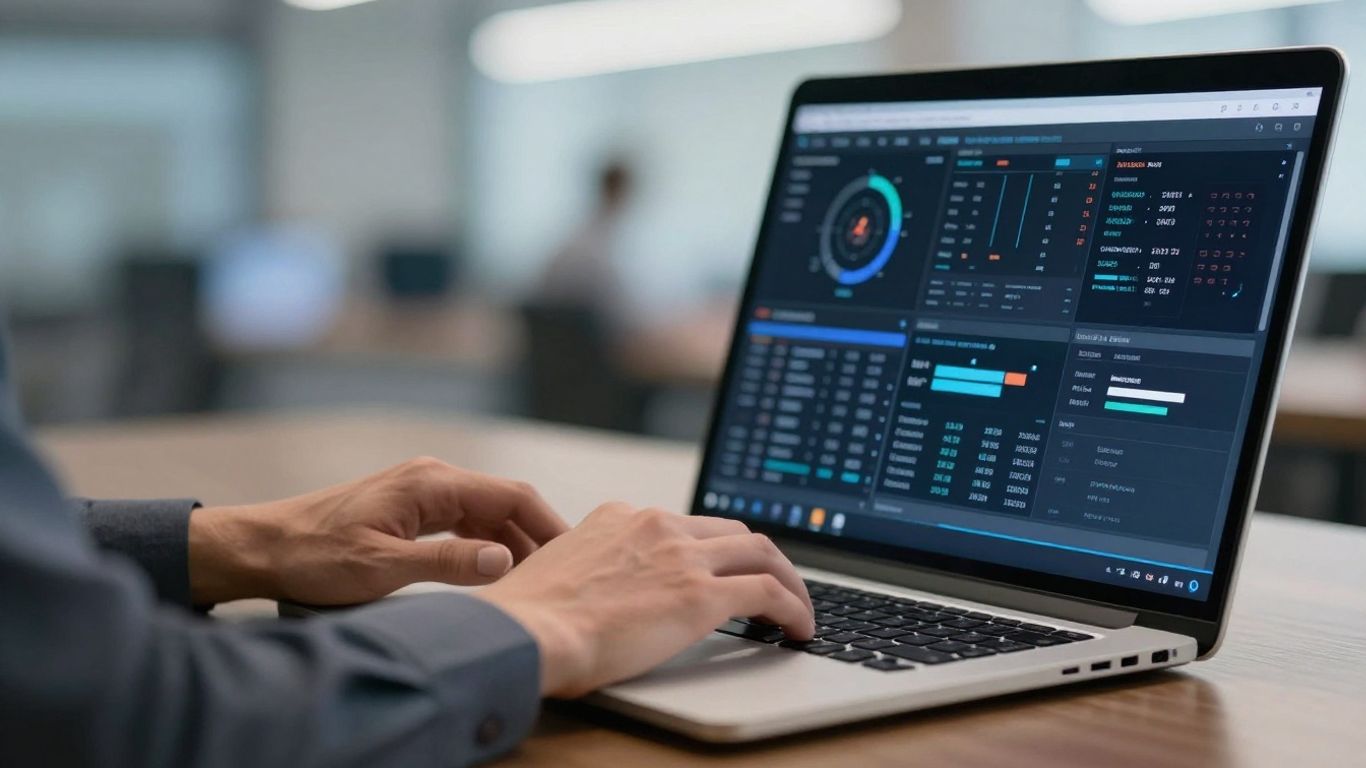
Interactive Brokers, often just called IBKR, is a big name in the trading world, and for good reason. They’ve been around for a while and have built a reputation for being a solid choice, especially for traders who like to have a lot of control and access to advanced tools. It’s a broker that really caters to the more serious or active trader.
When it comes to forex, IBKR offers a pretty wide selection of currency pairs – we’re talking over 100 different ones. This gives you a lot of options to explore different markets. They don’t really mark up the spreads like some other brokers do. Instead, they charge a commission on each trade. This can be quite competitive, especially if you’re trading larger volumes. For example, commissions can range from $8 to $20 per side, depending on how much you trade.
Here’s a quick look at their commission structure for forex:
| Trade Size (per million USD) | Commission (per side) |
|---|---|
| $1M – $10M | $10 |
| $10M – $25M | $8 |
| $25M+ | $6 |
IBKR has a few different platforms, but their main one is called Trader Workstation (TWS). It’s packed with features, which is great for experienced traders, but it can feel a bit overwhelming if you’re just starting out. They also have a web-based Client Portal and a desktop app that’s a bit more user-friendly. For mobile, they have a couple of apps too. It’s good to know that while they offer a lot, not all their platforms are ideal for every type of forex trading, so it’s worth checking which one fits your needs best. You can find more details about their trading platforms on the IBKR website.
One thing to keep in mind, especially if you’re in the US, is that to trade forex with Interactive Brokers, you generally need to be classified as an Eligible Contract Participant (ECP). This usually means having a net worth of over $10 million, or $5 million if you’re trading for hedging purposes. This requirement is a bit different from what some other brokers might have.
IBKR is known for its institutional-grade tools and extensive market access. While this can be a huge advantage for experienced traders, beginners might find the learning curve a bit steep. It’s a platform built for power users, offering deep customization and a vast array of trading instruments beyond just forex.
3. FOREX.com
FOREX.com has been around since 2004, so they’re not exactly new to the game. They’re backed by StoneX Group, which is a pretty big deal, and they’re regulated in a bunch of places like the U.K., U.S., and Australia. This gives you a good sense of security, which is always a plus when you’re dealing with your money.
What’s cool about FOREX.com is how they handle their platforms. They’ve got their own proprietary stuff, like the Advanced Trading platform and a really slick mobile app. Plus, they also offer MetaTrader 4 and MetaTrader 5, which are industry standards. This means you have options, whether you like to trade on your desktop, web, or phone.
Here’s a quick look at what they offer:
- Account Minimum: $100
- Forex Pairs: Around 80+ (U.S. clients get spot forex only, while others can access CFDs).
- Platforms: Proprietary Advanced Trading, Web Trading, MetaTrader 4, MetaTrader 5.
- Research & Education: They have a "Trading Academy" with interactive courses and daily market updates.
One thing to note is that for U.S. clients, the product selection is limited to spot forex trades. If you’re looking to trade other things like CFDs, you’ll need to be in a region where that’s permitted.
Their mobile app is often highlighted as a strong point. It’s designed to be easy to use but still packed with features, so you can manage your trades and keep an eye on the market even when you’re not at your computer. They also have a feature called Performance Analytics, which can help you figure out your own trading habits, good or bad. It’s not the cheapest out there, especially if you’re just starting with a small account, but for active traders, there are ways to get better pricing.
4. Charles Schwab
Charles Schwab is a big name in the financial world, and they’ve really stepped up their game for forex traders, especially after merging with TD Ameritrade. They offer a huge range of investment options, not just forex, which is great if you like to keep everything under one roof. The thinkorswim platform, which came over from TD Ameritrade, is a major draw for active traders. It’s packed with tools that let you really dig into the charts and markets.
When it comes to forex, Schwab provides access to over 70 currency pairs. They also have a solid reputation for being a trustworthy institution, which is always a plus when you’re dealing with your money. Plus, they don’t have a minimum deposit, so you can start with whatever amount feels right for you.
Here’s a quick look at what they offer for forex:
- Platform: Primarily the thinkorswim platform for forex trading.
- Currency Pairs: Over 70 available.
- Account Minimum: $0.
- Research & Education: Strong resources available, though forex-specific education can be limited.
While the thinkorswim platform is powerful, it’s worth noting that some of its features are specifically for forex and aren’t available on Schwab’s standard web platform. Also, if you’re looking for things like trading signals or copy trading, you won’t find them here.
For those who want advanced charting and analysis capabilities, Schwab’s platform is definitely worth checking out. You can explore powerful charting and analysis tools with hundreds of indicators and even algorithmic trading options through thinkScripts. It’s a solid choice for traders who appreciate having sophisticated tools at their disposal.
5. OANDA
OANDA is a name that pops up a lot when people talk about forex trading, and for good reason. They’ve been around for a while and have built a reputation for being pretty straightforward. One of their big draws is their commitment to transparent pricing, which is something many traders really appreciate. No one likes surprises when it comes to fees.
They offer a decent range of forex pairs, and their platform is known for being reliable. If you’re the type of trader who likes to dig into the data, OANDA provides access to historical data and research insights. This can be super helpful for figuring out what might happen next in the markets. They also let you adjust your position sizes, which gives you some flexibility in how you manage your trades.
Here’s a quick look at some of their key features:
- Transparent Pricing: Generally, they are known for clear fee structures.
- Research and Data: Access to historical data and market insights.
- Flexible Position Sizing: Allows traders to adjust trade sizes.
- Regulatory Oversight: Operates under strong regulatory bodies, adding a layer of security.
When it comes to getting started, OANDA has a $0 minimum deposit, which is great if you’re just testing the waters or don’t want to tie up a lot of capital initially. They also have a mobile app, so you can keep an eye on your trades even when you’re away from your computer.
For traders who value a solid research foundation and clear, dependable execution, OANDA presents a strong case. Their focus on providing analytical tools alongside a user-friendly interface makes them a solid choice for many.
While they might not have the absolute lowest spreads on every single account type compared to some competitors, their overall package, including their research tools and regulatory standing, makes them a dependable option for retail traders looking for a stable forex trading environment.
6. IG
IG has been a top pick for forex traders for a while now, and it’s easy to see why. They really seem to have put together a solid package that covers a lot of bases. For 2026, IG is once again our top choice for the best overall forex broker. They’ve managed to combine a high level of trust with a really wide selection of things you can trade and tools to help you do it.
Founded way back in 1974 and publicly traded, IG is regulated in a bunch of different countries, which really adds to their trustworthiness. They’ve consistently scored high marks for trust year after year.
When it comes to trading platforms, IG has its own proprietary software that’s pretty impressive. It’s packed with features, and the charts, especially on the mobile app, are something else. You can even trade right from the charts, which is super handy. If you’re a fan of MetaTrader, they do offer MT4 and MT5, but honestly, their own platforms are where it’s at for the full IG experience.
Here’s a quick look at what they offer:
- Platforms: IG’s own trading platform, plus MT4/MT5.
- Research: Good quality market analysis and video series.
- Education: A solid program, though some parts have been scaled back recently.
- Tradable Products: A wide range of markets available.
While IG’s own platforms are great, some users might find the web platform needs a bit of manual setup to get going. Also, if you’re looking to trade a massive number of forex pairs, IG might not have as many as some other brokers.
For US traders, IG operates under the tastyfx brand, offering a similar trading experience. It’s worth noting that while IG is great for many, it doesn’t offer social or copy trading features, which some traders look for.
7. XTB
XTB is a broker that’s been around since 2004, and they’ve built a solid reputation, especially for traders who are mindful of costs. They offer zero-commission trading on their standard accounts, which is pretty sweet. Plus, there’s no minimum deposit required to get started, and they even pay interest on uninvested cash, up to 4.25%. That transparency in fees, including low or no fees for deposits and withdrawals, really adds up over time.
Their own trading platform, xStation 5, is a big draw. It’s designed to be easy to use, even if you’re not a seasoned pro, but it doesn’t skimp on features. You get advanced charting tools and a bunch of technical indicators to play with. It’s a good mix of user-friendliness and power, especially if you’re looking to step up your trading game without breaking the bank.
They also put a good amount of effort into their educational resources. Think webinars, market analysis, and tutorials – all really helpful stuff for anyone wanting to get better at trading. Customer service also gets good marks, usually prompt and helpful.
However, it’s not all perfect. If you’re into social trading, XTB’s options are pretty limited. Also, they charge inactivity fees, which is something to watch out for. And a heads-up for U.S. traders: XTB doesn’t operate in the States. You also won’t be able to fund your account using PayPal, Skrill, or a credit card, which is a bit of a bummer for some.
While XTB is a trusted multi-asset broker with a broad selection of forex and CFDs, it’s important to note that 76% of retail investors lose money when trading CFDs with them. This is a common statistic across many CFD providers, highlighting the inherent risks involved.
Here’s a quick look at some key points:
- Trading Platform: xStation 5 (proprietary, user-friendly, advanced charting)
- Commissions: Zero commission on standard accounts
- Educational Resources: Extensive Trading Academy with over 200 lessons
- Customer Support: Generally well-regarded for responsiveness
- Limitations: No MetaTrader support, limited social trading features, not available in the U.S.
Overall, XTB is a strong contender, particularly for those prioritizing low costs and a solid, user-friendly platform. Just be aware of the limitations and the general risks associated with CFD trading.
8. AvaTrade
AvaTrade, founded back in 2006 and based in Dublin, Ireland, is a solid choice, especially if you’re just starting out in forex trading. They’ve got a lot going for them, particularly their focus on making things easy for beginners. The platform’s design is pretty straightforward, which helps a lot when you’re trying to figure out all the trading stuff. Plus, they offer a demo account, so you can practice trades without actually risking your money. That’s a big plus, in my book.
They really seem to put a lot of effort into their educational materials. You can find articles, videos, webinars, and even eBooks. It’s like a whole library designed to help new traders get a handle on things. They also integrate with Trading Central, which gives you market insights and technical analysis tools. That can be pretty handy when you’re trying to make sense of market movements.
Here’s a quick look at some key details:
- Account Minimum: $100
- Forex Pairs: 55
- Educational Resources: Extensive library including articles, videos, webinars, and eBooks.
- Customer Support: Available 24/5, multilingual.
One thing to keep in mind is that AvaTrade isn’t available in the U.S. Also, while their pricing is generally competitive, they do charge inactivity fees if your account sits idle for a while. It’s not a dealbreaker for most, but it’s something to be aware of.
Overall, AvaTrade seems like a good spot for beginners to get their feet wet. They offer a good mix of user-friendly tools and learning resources, which can make the initial stages of forex trading a bit less overwhelming.
9. Pepperstone

Pepperstone, founded back in 2010 and based in Melbourne, Australia, is a broker that really focuses on speed. If you’re into scalping or high-frequency trading, their super-fast execution is a big draw. They give you access to popular platforms like MetaTrader 4, MetaTrader 5, and cTrader, plus TradingView. These platforms come loaded with tools to help you analyze the markets.
Their Razor account is known for some of the tightest spreads out there, sometimes hitting 0.0 pips when trading is busy. This account uses a commission-based pricing model, which is pretty transparent. For those who like to automate their trading, Pepperstone supports various APIs, making it easier to build and test your own trading bots.
Here’s a quick look at what they offer:
- Platforms: MetaTrader 4, MetaTrader 5, cTrader, TradingView
- Account Minimum: $0
- Forex Pairs: Around 62
- Active Trader Program: Yes, with rebates for high-volume traders
- Regulation: Overseen by multiple strict regulatory bodies
They also have features like negative balance protection, which is good for managing risk, especially with leveraged products. Plus, they have an active trader program that can give you some money back if you trade a lot. You can even do social trading through other platforms they partner with.
It’s worth noting that Pepperstone isn’t available to U.S. residents. They also don’t offer trading in non-CFD stocks, ETFs, or cryptocurrencies, and the total number of trading symbols isn’t as high as some other brokers.
Overall, Pepperstone seems like a solid choice for traders who prioritize fast execution and have a more advanced approach to the markets, especially if you’re not based in the U.S.
10. Saxo
Saxo has really stepped up its game, especially with that $0 minimum deposit for their Classic account. It feels like they’re trying to make things more accessible for everyone, which is pretty cool. They’ve got a massive selection of over 70,000 instruments, which is a lot to play around with if you’re into different markets.
What really stands out is their research. They actually won an award for it in 2026, which tells you something. It comes in different formats, so you can probably find something that works for how you like to learn.
When it comes to trading platforms, SaxoTraderGo is their main one, and it’s pretty solid. It’s got all the tools you’d likely need. Plus, they also let you use TradingView, which a lot of people already like for its charting.
Here’s a quick look at some key points:
- Platforms: SaxoTraderGo and SaxoTraderPRO are their in-house options, with TradingView also available.
- Instruments: Over 70,000 tradeable assets, including forex, stocks, bonds, and more.
- Research: Award-winning research available in various formats.
- Regulation: Licensed in multiple Tier-1 jurisdictions, giving it a high trust score.
While Saxo is a strong contender, it’s worth noting they don’t accept U.S. traders. Also, some of their more advanced accounts, like Platinum and VIP, require pretty substantial balances to get into. The desktop platform can also take a bit of time to get used to if you’re new to it.
Overall, Saxo seems like a good choice if you’re looking for a broker with a huge range of options and solid research tools, especially if you’re outside the U.S. Their platforms are generally well-regarded, and the lower entry barrier now makes them a more attractive option for many.
Wrapping It Up
So, picking the right forex broker in 2026 really comes down to what you need. We looked at a bunch, and they all have their own strengths. tastyfx seems like a solid all-around choice, especially for folks in the U.S. If you’re more of a pro, Interactive Brokers might be your speed. FOREX.com is great if you want to learn more, and Charles Schwab and OANDA offer that trusted feeling with good research tools. Remember, the forex market moves fast, and having a reliable platform makes a big difference. Always double-check that your broker is regulated and fits your personal trading style. Happy trading!
Frequently Asked Questions
What is Forex Trading?
Forex trading is like exchanging money between countries. Imagine you’re traveling and need to swap your dollars for euros. In forex trading, people buy and sell different countries’ money to try and make a profit from the changing values. It’s a huge market where trillions of dollars are traded every day!
Is Forex Trading Safe in the U.S.?
Yes, forex trading in the U.S. is considered safe because there are strict rules. Brokers must be registered with government groups like the CFTC and NFA. These rules help protect traders and make sure everything is fair and honest.
How Do I Pick the Best Forex Broker?
To find the best broker, check if they are licensed and regulated. Look at their trading platforms, the tools they offer, and how much they charge. Reading reviews and comparing different brokers will help you find one that fits what you need.
What Should I Look for in a Forex Trading Platform?
A good platform should be easy to use, especially if you’re new. It should have helpful charts, allow you to place orders quickly, and maybe even let you trade on your phone. The best platforms also offer learning materials to help you understand the market better.
Are There Fees When Trading Forex?
Yes, there can be fees. Brokers usually make money from the ‘spread,’ which is a small difference between the buying and selling price of a currency pair. Some brokers might also have other fees, like for holding trades overnight or if your account is inactive.
Can Beginners Trade Forex?
Absolutely! Many brokers offer special accounts and learning resources designed for beginners. It’s smart to start with a demo account to practice without using real money until you feel confident enough to start trading with actual funds.