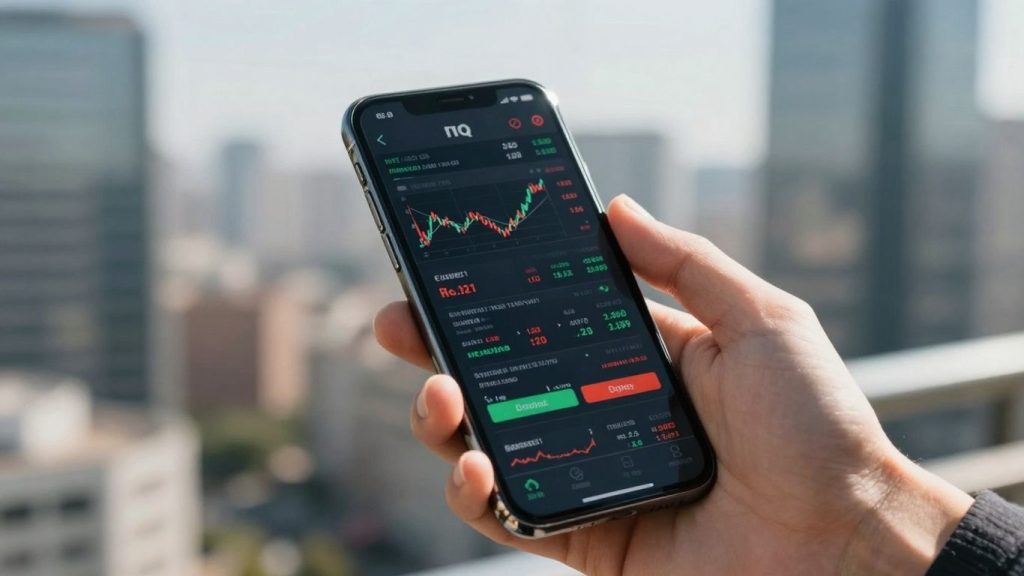
Finding the best broker for shares in 2026 can feel like a big task, right? With so many options out there, it’s easy to get lost in the details. Whether you’re just starting out or you’ve been investing for a while, picking the right place to manage your money matters. This guide is here to help you figure out what to look for, so you can make a choice that feels right for your own investing journey. We’ll break down what’s important, from fees to how easy the platform is to use, and help you find a broker that fits your needs.
Key Takeaways
- The ‘best’ broker really depends on you – your goals, how often you trade, and what you’re comfortable with. A good platform should help, not hinder, your investing.
- Nowadays, many brokers offer free trades, making it cheaper than ever to buy and sell stocks and ETFs. Keep an eye on other fees, though.
- Look for brokers that are protected by SIPC and have fraud prevention measures. This adds a layer of safety for your money and investments.
- Consider what types of accounts you need. Standard taxable accounts are common, but retirement accounts or specialized ones might be better for your specific goals.
- Think about what you want to do. Are you a beginner needing a simple platform, an active trader wanting lots of tools, or a long-term investor focused on steady growth?
Understanding Your Investment Needs
Defining Your Investment Goals
Before you even look at brokers, you need to know what you want to do with your money. Are you trying to save up for a down payment on a house in five years? Or maybe you’re thinking about retirement, which could be decades away. Your goals really shape the kind of investments you’ll make and, by extension, the broker that’s right for you.
Think about it like this:
- Short-term goals (1-5 years): You might want something less risky, maybe focusing on stability over big growth. This could mean different types of investments than someone saving for the long haul.
- Medium-term goals (5-15 years): You might be willing to take on a bit more risk for potentially higher returns. This is where a mix of investments could work.
- Long-term goals (15+ years): Retirement is a big one here. You’ve got time on your side, so you can often afford to be a bit more aggressive with your investments, aiming for growth.
Knowing your timeline and what you’re aiming for helps narrow down the options significantly. It’s not just about picking stocks; it’s about picking the right path to get where you want to go financially.
It’s easy to get caught up in the excitement of investing, but having clear goals acts as your compass. Without it, you might just wander aimlessly, making decisions based on hype rather than a solid plan.
Assessing Your Trading Frequency
How often do you plan on buying and selling investments? This is a pretty big deal when it comes to choosing a broker because fees can add up fast if you’re trading a lot. Some brokers are great for people who just want to buy and hold, while others are built for folks who like to be in the market more often.
Here’s a quick breakdown:
- Infrequent Traders (Buy and Hold): If you plan to make a few trades a year, maybe just adding to your investments periodically, you might not need the fanciest platform. Low commissions or even commission-free trades are great, but you might not be as sensitive to small account fees if you’re not trading often.
- Occasional Traders (A few trades a month): You’re probably looking for a balance. You want a decent platform with some research tools, and you’ll want to keep an eye on commission costs, especially if you’re trading ETFs or stocks.
- Active Traders (Multiple trades a week/day): This is where things get serious. You need a platform that’s fast, reliable, and has advanced tools for charting and analysis. Low commissions are a must, and you’ll want to check for any per-contract fees on options or other specific trading costs.
Your trading style directly impacts the type of broker that will save you money and provide the best experience.
Evaluating Your Comfort with Technology
Let’s be honest, some investment platforms can feel like you need a degree in computer science to figure them out. Others are super simple, almost like using your favorite social media app. Where do you fall on that spectrum?
- Tech-Savvy Investor: If you love exploring new apps, enjoy complex charts, and don’t mind a learning curve, you might do well with a broker that offers a wide range of advanced tools and a feature-rich platform. You might even appreciate platforms that offer access to more complex investment products.
- Comfortable User: You’re okay with technology, but you don’t want to spend hours figuring out how to place a trade. A clean, intuitive interface with easy access to common features is probably what you’re looking for. You’ll want clear navigation and straightforward instructions.
- Technology Averse: If the thought of a complicated website or app makes you break out in a sweat, don’t worry. There are brokers out there with very simple interfaces. They might not have all the bells and whistles, but they’ll get the job done without causing you too much stress. Phone support might be a big plus here too.
Think about how you use technology in other parts of your life. If you prefer simple, straightforward tools, look for a broker that matches that style. If you like having lots of options and control, then a more advanced platform might be better suited for you.
Key Features of Top Share Brokers
When you’re looking for a place to buy and sell stocks, it’s not just about picking the first name you see. There are several important things to check out to make sure the broker fits how you want to invest. Think of it like choosing a car – you wouldn’t just grab any old vehicle; you’d look at the mileage, the features, and if it’s good for your needs.
Commission and Fee Structures
This is a big one for most people. How much does it cost to actually trade? Many brokers now offer $0 commissions on stock and ETF trades, which is great. But don’t stop there. Look out for other fees, like account maintenance fees, transfer fees, or fees for trading certain types of investments like mutual funds or options. Some brokers might have low trading commissions but charge a lot for other things.
Here’s a quick look at how some common fees stack up:
| Fee Type | Example Broker A | Example Broker B | Example Broker C |
|---|---|---|---|
| Stock/ETF Trade | $0.00 | $0.00 | $0.00 |
| Options Contract | $0.65 | $0.00 | $0.75 |
| Account Transfer Out | $75 | $0 | $50 |
| Inactivity Fee | $0 | $0 | $10/month |
Always read the fine print to understand the full cost of doing business.
Investment Product Availability
What can you actually buy through the broker? Some brokers are great for stocks and ETFs, but if you want to trade options, futures, forex, or invest in bonds and mutual funds, you need to make sure they offer them. If you’re interested in international markets, that’s another feature to check. Some platforms give you access to a huge range of global exchanges, which can be really useful if you’re looking to diversify beyond your home country. For example, Interactive Brokers is known for its wide reach into different markets.
Platform Usability and Tools
How easy is the trading platform to use? This is super important, especially if you’re new to investing. A clunky or confusing platform can make investing feel like a chore and might even lead to mistakes. Look for platforms that are intuitive, whether you prefer a web-based interface, a desktop download, or mobile apps. Do they offer the tools you need? This could include things like charting tools, screeners to find stocks, research reports, or educational resources. A good platform should make it simple to manage your investments and execute trades without a headache.
A trading platform should feel like a helpful assistant, not a confusing puzzle. It needs to be reliable and easy to understand so you can focus on your investment strategy, not on figuring out how to place a trade. The best platforms fade into the background, letting your investments do the work.
Customer Support Quality
What happens when something goes wrong or you have a question? Good customer support is key. How can you reach them? Phone, email, live chat? What are their hours? Are they quick to respond and helpful? Some brokers have 24/7 support, while others only offer limited hours. If you’re not super tech-savvy, having responsive and knowledgeable support can make a big difference. It’s worth checking reviews or even giving them a quick call before you sign up to get a feel for their service. You can explore options for Canadian brokers to see how different companies stack up in this area.
Navigating Brokerage Account Types

Picking the right brokerage account is like choosing the right tool for a job. You wouldn’t use a hammer to screw in a lightbulb, right? The same goes for investing. Different accounts are designed for different goals, and understanding these can save you a lot of headaches and maybe even some cash.
Standard Taxable Accounts
This is your go-to for general investing. Think of it as a regular bank account, but for stocks, bonds, and other investments. There are no limits on how much you can contribute, and you can withdraw your money whenever you want. The main thing to remember here is taxes. Any profits you make, whether from selling investments or receiving dividends, are usually taxable in the year they occur. It’s straightforward, but you’ll want to keep good records for tax season. Many brokers offer these accounts with no minimum deposit, making it easy to start small.
Retirement Savings Accounts
These accounts are specifically for saving for your golden years, and they come with some sweet tax advantages. The most common ones are:
- Traditional IRA: Contributions might be tax-deductible now, lowering your current tax bill. But, you’ll pay taxes on withdrawals in retirement.
- Roth IRA: You contribute money you’ve already paid taxes on. The big perk? Qualified withdrawals in retirement are tax-free.
- 401(k)s and similar employer plans: Often come with employer matching contributions, which is basically free money. These also have tax benefits, though the specifics depend on the plan.
These accounts usually have contribution limits set by the IRS each year, and there can be penalties for withdrawing money before retirement age. They’re great for long-term wealth building.
Specialized Investment Accounts
Beyond the basics, there are other account types for specific situations. For instance, you might find:
- 529 Plans: Designed for education savings, offering tax-advantaged growth for qualified education expenses.
- Health Savings Accounts (HSAs): While primarily for healthcare costs, HSAs offer a triple tax advantage: contributions are tax-deductible, growth is tax-free, and withdrawals for qualified medical expenses are tax-free. Some people use these as a long-term investment vehicle.
- Custodial Accounts (UGMA/UTMA): These accounts are set up for minors, with an adult acting as the custodian. The assets legally belong to the child and are transferred to them when they reach the age of majority (usually 18 or 21).
Choosing the right account type really depends on what you’re saving for and when you’ll need the money. It’s worth looking at what each broker offers to find the best fit for your financial picture. You can often find a list of the account types offered on your broker’s website, and comparing these options is a good first step before you even open an account. For example, some platforms might be better suited for retirement accounts, while others excel at offering a wide range of taxable investment products. It’s a good idea to check out resources like Forbes Advisor to see which brokers are rated highly for different needs.
When you’re setting up your account, you’ll go through a process that’s pretty similar to opening a bank account. You’ll fill out an online form, usually needing your Social Security number and some basic personal details. After that, you’ll fund the account, often by linking your existing bank account. Once the money is in, you’re ready to start investing. Most brokers don’t charge fees to open an account, and many don’t even require a minimum deposit to get started.
Prioritizing Security and Protection
When you’re putting your hard-earned money into the stock market, the last thing you want to worry about is whether your account is safe. It’s a valid concern, especially with all the news about data breaches these days. Thankfully, most online brokers take security pretty seriously. They know that if something bad happens, people will stop using their services, and fast.
Understanding SIPC Protection
Think of the Securities Investor Protection Corporation (SIPC) as a safety net. It’s a nonprofit organization that protects the customers of its member brokerage firms. If a brokerage firm goes bankrupt or faces financial trouble, SIPC steps in. They help return customers’ cash and securities.
- Coverage Limit: SIPC covers up to $500,000 per customer. This includes a $250,000 limit for cash.
- What’s Covered: It covers stocks, bonds, mutual funds, and other securities held by the customer. It does not cover investment losses due to market fluctuations.
- Membership: Most registered broker-dealers in the U.S. are SIPC members. You can usually check if your broker is a member on their website or by looking for the SIPC logo.
Recognizing Fraud Prevention Measures
Beyond SIPC, brokers put up other defenses to keep your account secure. These are the things they do to stop unauthorized access and suspicious activity.
- Encryption: Look for brokers that use Secure Sockets Layer (SSL) encryption. This scrambles your data when it’s sent between your computer and their servers, making it unreadable to outsiders.
- Two-Factor Authentication (2FA): This is a big one. When you log in, you’ll need more than just your password. It might be a code sent to your phone or an authenticator app. It adds a significant layer of protection.
- Monitoring: Brokers constantly watch for unusual activity on accounts. If something looks off, they might flag it or even contact you to confirm.
- Automatic Logouts: If you step away from your computer for too long, the system will often log you out automatically to prevent someone else from accessing your account.
While brokers have robust security systems, you also play a part. Using strong, unique passwords and being cautious about phishing attempts are just as important. Your vigilance complements the broker’s technical safeguards.
Assessing Brokerage Reliability
How do you know if a brokerage firm is stable and trustworthy? It’s not just about security features; it’s about the company’s overall health and reputation.
- Regulatory Oversight: Check if the broker is regulated by major bodies like the SEC (Securities and Exchange Commission) and FINRA (Financial Industry Regulatory Authority). This means they have to follow strict rules.
- Financial Strength: Look for information about the company’s financial standing. Some brokers might share details about their equity capital or excess regulatory capital. While this can be complex, a financially sound company is generally more stable.
- Longevity and Reputation: How long has the brokerage been around? What do reviews say about their customer service and overall reliability? A long history and positive feedback can be good indicators.
Evaluating Broker Performance Metrics
When you’re looking at different brokers, it’s easy to get lost in all the fancy features and promises. But what really matters is how they perform, especially when it comes to the costs associated with your investments and how easy they make things for you. We need to look beyond the surface and check out the numbers.
Stock and ETF Trading Costs
This is a big one. You want to know exactly what you’ll pay to buy and sell stocks and Exchange Traded Funds (ETFs). Some brokers advertise $0 commissions, which sounds great, but there might be other fees hidden in the fine print. It’s important to understand the full picture.
- Commission Fees: The most obvious cost. Are trades free, or is there a per-trade charge?
- Payment for Order Flow (PFOF): Some brokers get paid to direct your trades to specific market makers. While this can allow for $0 commissions, it’s worth understanding how it might affect your trade execution.
- Account Minimums: Do you need a certain amount of money to open an account or to get certain pricing?
Here’s a quick look at how some common trading costs might stack up:
| Fee Type | Broker A | Broker B | Broker C |
|---|---|---|---|
| Stock Trade Commission | $0 | $4.95 | $6.95 |
| ETF Trade Commission | $0 | $4.95 | $6.95 |
| Options Contract Fee | $0.65 | $0.65 | $0.75 |
Account Maintenance Fees
Beyond trading costs, brokers can charge fees just to keep your account open. These might include:
- Inactivity Fees: Charged if you don’t trade or log in for a certain period.
- Account Transfer Fees: If you decide to move your account to another broker.
- Paper Statement Fees: For requesting physical statements.
It’s not uncommon for brokers to waive some of these fees if you meet certain criteria, like maintaining a minimum balance or making regular trades. Always check the fee schedule carefully.
Keeping an eye on these smaller fees can make a surprising difference over time, especially if you have a smaller account balance or don’t trade very often. They add up.
Promotions and New Account Bonuses
Brokers often use bonuses to attract new customers. These can be appealing, but don’t let them be the main reason you choose a broker. You might see offers like cash bonuses for depositing a certain amount or getting a certain number of free trades. While nice, remember that these are usually one-time perks. Focus on the long-term costs and platform usability rather than just the initial bonus. For example, some brokers offer substantial cash back incentives when you open and fund an account, like up to $1,000 with certain terms. Always read the terms and conditions associated with any promotion to understand the requirements and any potential limitations.
Choosing a Broker for Your Strategy
Picking the right broker really boils down to how you plan to invest your money. It’s not a one-size-fits-all situation, you know? What works for someone who checks their portfolio daily might be totally different for someone who just wants to set it and forget it.
Best Broker for Beginners
If you’re just starting out, you want a platform that’s easy to figure out. Look for brokers with a clean interface, simple navigation, and maybe some educational resources to help you learn the ropes. Zero commissions on stock and ETF trades are a big plus, as is the ability to buy fractional shares. This means you can start investing with just a few dollars, which takes a lot of the pressure off. Some brokers even offer demo accounts so you can practice without risking real money.
- User-friendly platform: Easy to find your way around.
- Fractional shares: Lets you buy parts of expensive stocks.
- Educational materials: Guides, articles, and videos to help you learn.
- Low or no minimum deposit: You can start with a small amount.
Starting small is totally fine. The most important thing is to just get started and build good habits. Don’t let the idea of needing a lot of money stop you from beginning your investing journey.
Best Broker for Active Traders
Active traders need tools and speed. This usually means a platform with advanced charting capabilities, real-time data, and fast trade execution. You’ll also want to pay attention to commission structures, as frequent trading can add up. Some brokers offer tiered pricing based on your trading volume. Look for brokers that support options trading if that’s part of your strategy, and make sure they have research tools that can help you spot opportunities.
- Advanced charting tools: For technical analysis.
- Real-time market data: To make quick decisions.
- Low-cost options trading: If you trade options.
- Research and analysis reports: To inform your trades.
Best Broker for Long-Term Investing
For those focused on long-term growth, simplicity and low costs are often key. You might not need all the bells and whistles of an active trading platform. Instead, focus on brokers that offer a wide selection of investment products like ETFs and mutual funds, especially those with no transaction fees. A solid retirement account offering, like an IRA, is also important. Reliability and strong customer support are also good to have, just in case you need help managing your portfolio over the years.
| Feature | Importance for Long-Term Investor |
|---|---|
| Commission Fees | Low |
| ETF/Mutual Fund Selection | Wide, with no-transaction-fee options |
| Account Minimums | Low or none |
| Retirement Account Options | Available (IRA, Roth IRA) |
| Platform Stability | High |
| Customer Support | Good |
Wrapping It Up
So, picking the right online broker really comes down to you and how you like to invest. There’s no single ‘best’ out there for everyone. What works for one person might not work for another, and that’s totally fine. The main thing is finding a platform that makes investing feel easy and supports your goals, instead of getting in the way. When your trading app is simple to use, you’re more likely to stick with it and let your money grow over time. We’ve looked at a lot of options for 2026, and hopefully, this guide helps you find the one that fits your style. If you’ve had a good or bad experience with a broker, or if you’ve switched recently, let us know in the comments. Your feedback really helps keep these rankings real.
Frequently Asked Questions
What’s the main thing to remember when picking a stock broker?
The most important thing is that the ‘best’ broker isn’t the same for everyone. It really depends on how you like to invest, how much you want to be involved, and what makes you stick with your plan. A good platform should help you invest smarter, not get in your way.
Why is a user-friendly platform important?
If a trading app feels confusing or hard to use, people tend to check their investments less often. This can lead to putting off adding money or making decisions based on feelings instead of facts. A smooth, easy-to-use platform lets investing become a background task, allowing compounding to do its work while you focus on other parts of your life.
Are online brokers cheaper now?
Yes, definitely! Nowadays, most stock trades cost very little, often even free. You can buy or sell stocks right from your phone or computer in just a few seconds. This means people have more choices than ever, and the fees are much lower than they used to be.
What kinds of accounts can I open with a broker?
You have a few main options. A regular account is good if you just want to buy and sell stocks. If you’re saving for retirement or want to pay less in taxes, accounts like a traditional or Roth IRA might be a better fit. Brokers usually have a list on their website showing all the different types of accounts they offer.
How can I be sure my money is safe with a broker?
While no broker is perfectly safe from everything, look for two main things. First, make sure your broker is covered by SIPC insurance. This protects your money and investments if the brokerage goes out of business. Second, check if they have protection against fraud, which helps if someone hacks into your account.
What can I invest in through a broker?
Most brokers let you buy stocks and ETFs, which are popular choices. Some also offer mutual funds, which are a good option if you prefer a hands-off approach. If you’re interested in more advanced options, make sure the broker supports trading those too. Some platforms even offer newer things like crypto.