Getting started with investing can feel like a big step, and figuring out where to put your money is half the battle. You want a place that’s easy to understand, doesn’t cost too much, and has helpful resources. Luckily, there are some solid choices out there for folks just dipping their toes into the stock market. We’ve looked at a bunch of them to help you find the best broker accounts for beginners in 2025. It’s all about finding a platform that makes sense for you and your financial goals.
Key Takeaways
- For new investors, look for brokerages with simple interfaces and low costs. Platforms like SoFi and Fidelity are good examples because they make investing straightforward and offer learning materials.
- If retirement is your main goal, Charles Schwab, Vanguard, and Fidelity are strong contenders. They offer tools and plans to help with long-term savings, plus good customer service and low fees.
- When picking a broker, think about what you want to invest in. Some brokers are better for specific things like advanced trading, while others are great for general investing.
- Don’t forget to check the fees. Many brokers now offer commission-free trades, but other costs can add up. Make sure you understand what you’ll be paying.
- Most beginner-friendly brokers let you start with little or no money down. Many also offer fractional shares, meaning you can buy a piece of a stock instead of a whole share, which is great when you’re starting out.
1. Charles Schwab
Charles Schwab has been around for a while, and they’ve really built a solid platform for folks just starting out in the investing world. It feels like they’ve thought of everything to help you grow from a newbie to someone who knows their way around the market.
They’ve got all sorts of research tools, like stock reports and news feeds, which can be super helpful when you’re trying to figure out what to invest in. Plus, their ETF screener is pretty neat for finding funds.
What really stands out for beginners is their educational stuff. They break down investing basics in a way that makes sense, so you’re not just guessing.
Here’s a quick look at some key points:
- Commission-free trades for stocks and ETFs.
- Schwab Stock Slices lets you buy parts of stocks for as little as $5.
- A wide range of educational resources, including articles, videos, and webinars.
- $0 minimum to open an account.
They also have this thing called the Investor Starter Kit. You fund your account, and they give you a bit of money to invest in some big S&P 500 companies. It’s a cool way to get your feet wet and learn by doing, without a huge risk.
Their mobile app is pretty good too; you can do most of what you can on the computer right from your phone. They even have a virtual trading tool, so you can practice without using real money. It’s a good way to get a feel for things before you commit your own cash. Just a heads-up, though, if you’re looking to trade individual cryptocurrencies directly, Schwab isn’t the place for that. Also, some specific trades, like futures, might have higher fees than you’d find elsewhere.
2. Fidelity Investments
Fidelity Investments is a solid choice for anyone just starting out with investing. They really make it easy to get going, even if you don’t have a ton of cash to put in right away. You can actually start buying parts of stocks, called fractional shares, for as little as $1. This is a big deal because it means you can own a piece of companies you like without having to buy a whole share, which can be super expensive.
When I was looking around, I found their website and app pretty straightforward. Everything is laid out clearly, so you can see your investments, check market news, and find educational stuff without feeling overwhelmed. They have a ton of resources to help you learn the ropes, from articles and videos to webinars. It’s like having a whole library dedicated to helping you figure out how to invest smarter.
Here’s a quick look at what they offer:
- Fractional Shares: Buy pieces of stocks and ETFs starting at just $1.
- No Account Minimum: You don’t need a lot of money to open an account.
- Educational Resources: A huge library of learning materials to get you up to speed.
- 24/7 Customer Support: Help is available anytime you need it, which is great for beginners who might have questions at odd hours.
They also have a robo-advisor called Fidelity Go, which is a good option if you prefer a more hands-off approach. It helps you build and manage a portfolio based on your goals. It’s a nice way to get started with professional management without breaking the bank. If you’re thinking about where to invest your money, Fidelity is definitely worth a look.
Fidelity doesn’t offer paper trading, which is a way to practice investing with fake money. This might be a downside if you were hoping to test strategies before using real cash. Also, if you’re interested in trading futures, you’ll need to find another broker for that specific need.
3. SoFi
SoFi is kind of a one-stop shop for all things money, not just investing. You can get banking, loans, and insurance all under one roof. For investing, they have what they call SoFi Active Investing, and it’s pretty straightforward.
They offer $0 commissions on stocks, ETFs, and even options, which is a big deal for keeping costs down. Plus, you can buy fractional shares, meaning you can start investing with as little as $5. This is great because you don’t need a ton of cash to get started. They also have some educational stuff to help you figure things out.
Here’s a quick look at what they offer:
- No account minimum: You can open an account with zero dollars.
- $0 commissions: No fees for trading stocks and ETFs.
- Fractional shares: Invest in parts of stocks, starting with just $5.
- Thematic investing: They offer ETFs based on specific themes, kind of like curated baskets of stocks.
If you’re a SoFi Plus member, there are some extra perks. You can get unlimited one-on-one chats with a certified financial planner, which is pretty neat. They also offer a 1% match on deposits into your SoFi Invest account, including rollovers. It’s a nice little bonus.
SoFi is a good choice if you want a simple platform that doesn’t charge a lot and offers a few helpful extras. It’s designed to be easy to use, so you can learn as you go without getting overwhelmed by complicated fees or features. They don’t support crypto, though, so if that’s your thing, you’ll need to look elsewhere.
Keep in mind, they mostly stick to U.S. investments and don’t offer things like tax-loss harvesting. But for someone just starting out and looking for a clean, low-cost way to invest, SoFi is definitely worth a look.
4. Interactive Brokers
Interactive Brokers, often just called IBKR, is a big name in the investing world. They have a lot of different things you can invest in, like stocks, ETFs, bonds, and even crypto. For beginners, they have a few things that stand out. One of the biggest draws is their IBKR Lite account, which lets you trade U.S. stocks and ETFs with no commission. That’s a pretty sweet deal when you’re just starting out and trying to keep costs down.
They also offer fractional shares, which means you don’t have to buy a whole expensive share of a company. You can buy just a piece of it, making it easier to invest in companies you like even if they have high stock prices. This is a big help for people with smaller amounts of money to invest.
IBKR has a few different ways to trade, like their Client Portal and mobile app. While some of their platforms, like Trader Workstation, are built for super active traders with lots of fancy tools, the IBKR Lite platform is more straightforward. They also have a ton of educational stuff, like articles and webinars, to help you learn the ropes. Plus, you can get customer support over the phone or chat, which is nice if you get stuck.
Here’s a quick look at some key points:
- Account Minimum: $0 to open an account.
- Commissions: $0 for U.S. stocks and ETFs with IBKR Lite.
- Fractional Shares: Available, making it easier to buy parts of expensive stocks.
- Investment Options: A wide range, including stocks, ETFs, bonds, options, and more.
- Educational Resources: Plenty of articles, webinars, and courses to help you learn.
While IBKR has a lot to offer, some people find their platforms a bit complex at first. It might take a little time to get used to all the features, especially if you’re brand new to investing. But the availability of commission-free trades and fractional shares makes it a strong contender for beginners looking for a broker with room to grow.
If you’re interested in exploring their platform, you can check out Interactive Brokers features for more details on what they provide.
5. Vanguard
Vanguard is a name that often comes up when people talk about investing, especially for the long haul. They’re known for being a bit different, being owned by their customers, which they say helps keep costs low. For beginners, this can be a good thing because it means more of your money stays invested instead of going to fees.
They have a solid selection of investment options, particularly their own mutual funds and ETFs, which are popular for retirement savings. If you’re looking to just set up a retirement account like a Roth IRA or a traditional IRA, Vanguard is a strong contender. They make it pretty straightforward to get started with these types of accounts.
Here’s a quick look at some of their key features for new investors:
- Low Costs: Vanguard is famous for its low expense ratios on its funds, which is a big plus for keeping your investment costs down over time.
- Retirement Focus: They offer a wide range of retirement accounts and tools to help you plan for the future.
- Mutual Funds & ETFs: A huge selection of their own funds, which are often recommended for their diversification and low fees.
- Educational Resources: While maybe not as flashy as some others, they do provide educational content to help you learn the basics.
Vanguard’s approach is pretty much about long-term investing and keeping things simple and affordable. They aren’t really about day trading or complex strategies. If you want to buy and hold investments for years, especially for retirement, they’re a solid choice. It’s less about fancy tools and more about a steady, cost-effective way to grow your money over time.
Getting started with Vanguard is pretty simple. You’ll need to decide what kind of account you want – maybe a brokerage account, or an IRA if you’re saving for retirement. Then, you’ll fund the account, and you can start looking at their investment options. They don’t have all the bells and whistles of some of the newer apps, but for someone who wants a reliable place to invest for the long term, Vanguard is definitely worth considering.
6. Public Investing

Public Investing is a bit different from some of the other brokers out there because it really leans into the social aspect of investing. Think of it like a social media platform, but for your money. You can see what other people are investing in, follow their moves, and even copy their strategies if you want. This can be pretty cool for beginners who are still figuring things out and want to learn from others.
They offer commission-free trades for stocks and ETFs, which is a big plus. There’s no minimum to get started, so you can jump in with whatever amount you feel comfortable with. Plus, they’ve got access to cryptocurrencies and related content, which is a nice bonus if that’s something you’re interested in.
However, there are a couple of things to keep in mind. Public Investing charges a $10 monthly fee for most of its features. While many brokers are moving away from monthly fees, Public has kept it. Also, you can’t open retirement accounts like IRAs or 529 plans here, so if your main goal is saving for retirement or education, you’ll need to look elsewhere.
Here’s a quick look at what they offer:
- No account minimum: Start investing with any amount.
- Commission-free trades: Trade stocks and ETFs without paying per-trade fees.
- Social features: Connect with other investors, see their portfolios, and learn from their strategies.
- Crypto access: Invest in cryptocurrencies and access related analysis.
Public Investing aims to make investing more accessible and community-driven. It’s a good option if you’re drawn to the idea of learning from a crowd and don’t mind a monthly fee for the platform’s unique features. Just be aware of the account limitations if you’re focused on long-term retirement savings.
7. Stockpile
Stockpile is a pretty neat option if you’re looking to get younger folks into investing. It’s designed with kids and teens in mind, making it easier for them to grasp what’s going on with their money. You can set up custodial accounts, and the cool part is there are no regular fees or minimums to worry about, which is a big plus when you’re just starting out.
What makes Stockpile stand out is its user-friendly platform. It shows company logos that kids will recognize, making investments feel more relatable. You can fund accounts through a bank transfer or even use stock gift cards, which is a fun idea. Plus, they offer fractional shares starting at just $1, so you don’t need a ton of cash to buy into a company.
Here’s a quick look at what you can invest in:
- Stocks: Over 4,000 different stocks are available.
- ETFs: Exchange-Traded Funds are also an option.
- Cryptocurrencies: For those who understand the risks, crypto is on the table.
They also have built-in educational bits, like "mini-lessons," that break down stock market basics. It’s a good way to learn without feeling overwhelmed.
While Stockpile is great for introducing investing, it’s worth noting that it doesn’t support all types of investments, like mutual funds. It’s focused on stocks, ETFs, and crypto, so if you’re looking for a broader range of options, you might need to consider other platforms down the line. But for a beginner, especially a younger one, it’s a solid starting point.
Overall, Stockpile makes investing accessible and understandable, especially for the younger generation.
8. Ally Invest
Ally Invest is a pretty straightforward option, especially if you’re already banking with Ally. It makes it easy to get started with investing, and they’re big on simple, buy-and-hold strategies. You can open an account with no minimum balance required, and stock and ETF trades are commission-free.
They’ve got a resource center that’s actually kind of enjoyable to read, which is a nice change from some of the drier financial content out there. Plus, moving money between your Ally bank account and your investment account is super quick.
Here’s a quick look at some of their pricing:
| Feature | Cost |
|---|---|
| Stock/ETF Trade | $0 |
| Options Contract | $0.65 |
| Mutual Fund Trade | $0 |
| Account Minimum | $0 |
Ally Invest is a solid brokerage offering for those who already do business with Ally Bank and would like an easy way to expand their relationship into investing. You can also access your account on Ally’s mobile app to get quotes and make trades. The direct bank is also widely recognized for its excellent customer service and its progressive digital banking features, and you can quickly move cash from your bank account to your investment account. It also offers a resource center with helpful content written in a more enjoyable way than most.
9. E-Trade Financial
E-Trade, now part of Morgan Stanley, has been around for a while, and they’ve managed to keep their platforms pretty user-friendly, which is a big plus for folks just starting out. They offer a few different ways to trade, including a standard web platform and mobile apps. This makes it easier to check in on your investments or make a trade whether you’re at your computer or on the go.
One of the things E-Trade does well is providing educational materials. They have a bunch of videos, articles, and even live sessions that can help you get a handle on investing basics. It’s like having a little tutor available whenever you need it.
Here’s a quick look at what they offer:
- User-Friendly Platforms: Easy to navigate for beginners.
- Educational Resources: Lots of content to help you learn.
- Research and Analysis: Access to market insights.
- Customer Service: They actually rank pretty well for this.
It’s worth noting that E-Trade doesn’t currently offer fractional shares, meaning you have to buy whole shares of stocks. Also, you can’t directly buy cryptocurrencies through them. So, if those are important to you, you might want to look elsewhere. But for buying stocks, ETFs, mutual funds, and bonds, they’re a solid choice.
They also have $0 commissions for stock and ETF trades, and you don’t need a minimum balance to open an account. This makes it pretty accessible for new investors. If you’re looking for a brokerage with a good mix of tools and learning resources, E-Trade is definitely worth considering as you begin your investment journey.
10. Firstrade
Firstrade is a solid choice if you’re looking to trade options without paying extra fees. They charge zero commissions for options trades, just like they do for stocks and ETFs. This can really add up if you’re active in the options market. For research, they give you basic stock info and access to reports from places like Morningstar, which is pretty helpful when you’re trying to figure out if a stock is a good buy.
One of the things I really like about Firstrade, especially for beginners, is their support for fractional shares. This means you can buy a piece of a high-priced stock, like Amazon or Google, even if you don’t have hundreds or thousands of dollars to spend. They also let you reinvest dividends into partial shares, which is a nice touch for growing your investments over time without having to buy whole shares.
Here’s a quick look at their pricing:
| Feature | Cost |
|---|---|
| Stock/ETF Trades | $0 |
| Options Trades | $0 |
| Minimum Deposit | $0 |
When you’re just starting out, keeping costs low is a big deal. Firstrade’s no-commission policy on a lot of trades means more of your money stays invested, working for you, instead of going to fees. It’s a straightforward approach that can make a difference for new investors.
They also offer a decent range of educational materials to help you learn the ropes. You can find information on stocks, ETFs, and options, which covers the main areas most beginners are interested in. It’s not the most extensive library out there, but it’s a good starting point.
11. Merrill Edge
Merrill Edge, a part of Bank of America, is a solid choice, especially if you’re already a customer with them. It’s pretty neat how you can link your bank and investment accounts, making it easy to move money around. They also provide a good amount of research and educational stuff to help you figure things out. For Bank of America customers, the integration and perks can be quite beneficial.
When you’re starting out, having access to advisors can be a big help, and Merrill Edge offers that, even in person at some Bank of America locations. They don’t charge for stock and ETF trades, and there’s no minimum to open an account, which is great for beginners who might not have a lot of cash to start with.
However, it’s not perfect. You can’t trade things like crypto or futures here, and they don’t offer fractional shares, which is a bummer for those wanting to buy pricey stocks with small amounts. Some users have also mentioned that the platform can be a bit clunky and customer service isn’t always top-notch.
Here’s a quick look at what they offer:
- No commissions on stock and ETF trades.
- $0 minimum to open an account.
- Access to in-person advisors through Bank of America.
- Extensive market research and educational materials.
While Merrill Edge provides a good range of tools and resources, it’s worth noting that some users have experienced issues with the platform’s performance and technical glitches. It’s always a good idea to check out their Merrill Edge Self-Directed platform to see if it fits your needs before committing.
12. Webull
Webull is a trading platform that’s been gaining traction, especially with folks who like to trade actively. It’s pretty straightforward to get started, and they don’t charge you for basic stock, ETF, or options trades on U.S. exchanges. Plus, you can open an account with zero dollars, which is nice.
One of the things that stands out is their mobile app. It’s designed to be easy to use, whether you’re just checking in or placing trades on the go. They also offer fractional shares, meaning you can buy a piece of a stock for as little as $5. This is a big deal for beginners who might not have a lot of cash to start with.
Webull also has this in-app community feature. It’s kind of like a social network for investors where you can see what others are doing, share ideas, and even participate in paper trading competitions. They also have some educational stuff to help you learn the ropes.
Here’s a quick look at some key features:
- Commission-Free Trading: No fees for stocks, ETFs, and options on U.S. exchanges.
- Account Minimum: $0 to open an account.
- Fractional Shares: Start investing with as little as $5.
- Extended Trading Hours: Trade outside of regular market hours.
- In-App Community: Connect with other investors and learn from them.
While Webull is good for active traders and beginners who want a mobile-first experience, some users have mentioned issues with customer service response times and occasional lags in trading execution. It’s also worth noting that they don’t offer in-house research reports or human financial advisors, which might be important for some investors.
They also have a cash management account that offers a decent interest rate on your uninvested cash, which is a nice little bonus.
13. Robinhood
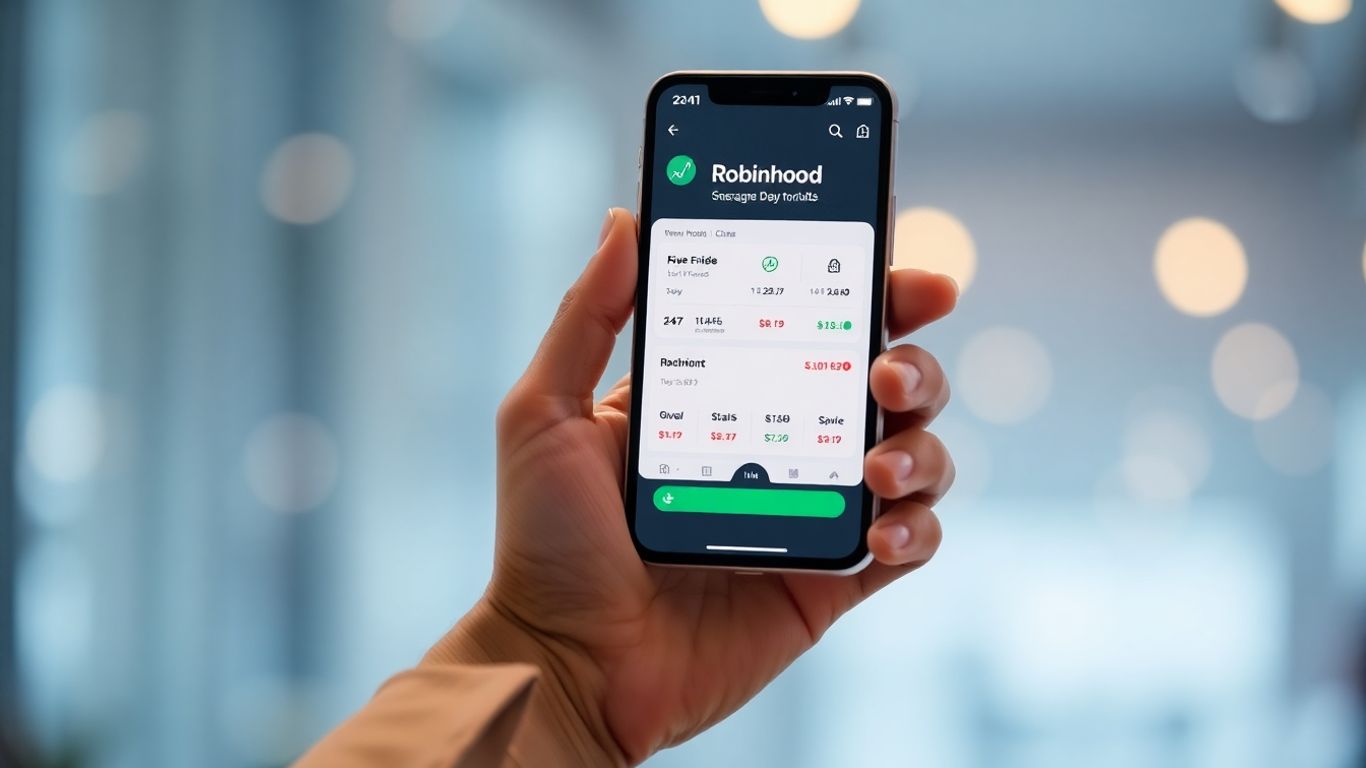
Robinhood really made a splash when it first came out, and it’s still a popular choice for folks just getting their feet wet in the investing world. Its biggest draw is probably how simple and easy to use the app is. You can trade stocks, ETFs, and options without paying any commissions, which is pretty sweet. Plus, they let you buy fractional shares, meaning you don’t need a ton of cash to start owning a piece of a company.
Here’s a quick look at what they offer:
- Commission-Free Trading: Stocks, ETFs, and options.
- Fractional Shares: Buy parts of shares, making investing more accessible.
- User-Friendly App: Designed for easy navigation on your phone.
- Educational Content: Resources to help you learn the basics.
While Robinhood is great for getting started and keeping costs low, it’s worth noting what it doesn’t have. You won’t find mutual funds, bonds, or futures trading here. Also, if you want to earn interest on your uninvested cash, you’ll need to sign up for their paid Gold subscription, which isn’t ideal compared to other brokers that offer this for free.
Customer service has been a point of contention for some users in the past, though they have been working to improve it with features like 24/7 chat support. If you’re looking for a straightforward way to start investing without a lot of bells and whistles, Robinhood is definitely worth considering. You can check out their platform to see if it fits your needs for beginner investors.
Wrapping Up Your Search for the Right Broker
So, you’ve looked at the options and learned a bit about what makes a brokerage account good for someone just starting out. Remember, the best account for you really depends on what you want to do with your money. Whether it’s a simple platform like SoFi or a more established name like Fidelity or Charles Schwab, the key is finding a place that feels easy to use and offers the tools you need to learn. Don’t forget to check out the fees and any minimums required. Investing is a marathon, not a sprint, so picking the right starting point will make the journey much smoother. Happy investing!
Frequently Asked Questions
What’s the easiest way for a beginner to start investing?
For newcomers to investing, simple and affordable platforms are the best bet. Look for brokers that make it easy to understand what you’re doing, offer helpful guides, and don’t charge a lot for trades. Think of it like learning to ride a bike – you want training wheels and a smooth path at first!
What should I look for if I’m saving for retirement?
If your main goal is saving for retirement, you’ll want a broker that’s great at retirement planning. Companies like Charles Schwab, Vanguard, or Fidelity are good choices. They help you create a plan for your money that fits your needs and can handle different market ups and downs. Plus, they usually have good customer service and tools to help you save.
How do I pick the best brokerage account for myself?
To find the right brokerage for you, think about what you want to do with your money. Do you want to save for retirement, or are you interested in trading more often? Some brokers are super easy for beginners, while others offer more tools for experienced traders. Check out what each one offers, like educational materials and the types of investments you can make.
What makes a brokerage account good for beginners?
A beginner-friendly brokerage account usually has a website and app that are easy to figure out. They often provide lots of learning materials to help you understand investing. Also, look for accounts with no or low fees and minimum amounts to start, so you don’t have to break the bank to begin.
Can I practice investing before using real money?
Yes, you absolutely can! Many brokers offer something called ‘paper trading’ or a demo account. This lets you practice buying and selling stocks with fake money in a pretend market. It’s a fantastic way to get a feel for how things work without risking any of your own cash.
What’s the difference between trading and investing?
Investing is generally about putting your money into something for the long haul, hoping it grows over time, like buying stocks for your future. Trading, on the other hand, is usually about buying and selling things more quickly, trying to make smaller profits more often. For beginners, investing for the long term is often a safer and more straightforward approach.