
Thinking about getting into forex trading? It can seem like a lot, especially with all the information out there. But good books can really help clear things up. We’ve looked at some of the top ones to help you find the best books for forex trading. These guides can give you the basics and more advanced tips to get started or improve your trading game.
Key Takeaways
- The Ultimate Guide to Foreign Exchange Trading covers market basics, setting up accounts, and using trading platforms.
- Mastering the Markets: A Comprehensive Guide to Foreign Exchange Trading focuses on analysis, strategies, risk management, and trading psychology.
- Forex Trading for Beginners: The Complete And Ultimate Guide To Create Passive Income And Get Money aims to help newcomers build passive income through various trading methods.
- Mastering Financial Risk provides advanced strategies for managing risk in the modern financial market, including AI and digital assets.
- These books offer practical advice, from understanding currency pairs to developing a disciplined trading mindset and managing potential losses.
1. The Ultimate Guide to Foreign Exchange Trading
Getting started in the foreign exchange market can feel like a lot, but this guide aims to make it simpler. Think of it as your first step into a world where currencies are bought and sold, kind of like a global marketplace for money. It’s not just for big banks anymore; individuals can participate too, and that’s where books like this come in handy.
This book breaks down the complex world of forex into understandable pieces. You’ll learn the basic lingo, like what a ‘pip’ is or why certain currency pairs move together. It covers how to actually open an account and pick a broker you can trust, which is pretty important when you’re dealing with your money. Plus, it walks you through using trading platforms, so you’re not just staring at a screen wondering what to do.
Here’s a look at what you’ll cover:
- Understanding Currency Pairs: Learn which currencies are most traded and why.
- Basic Trading Mechanics: How to place an order, set limits, and understand the order book.
- Choosing a Broker: What to look for in a reliable forex broker.
- Platform Navigation: Getting comfortable with the software you’ll use to trade.
It also touches on the tools traders use, like charts and indicators. You don’t need to be a math whiz, but knowing how to read a simple chart can give you a better idea of market movements. It’s about building a foundation so you can start making informed decisions instead of just guessing.
The forex market operates 24 hours a day, five days a week, offering flexibility for traders around the globe. However, this constant activity also means markets can change rapidly, so staying informed is key.
This guide is designed to give you a clear picture of what forex trading involves, from the initial setup to understanding market dynamics. It’s a starting point for anyone curious about this financial arena and looking for resources to help them understand currency markets. It’s about building confidence step-by-step.
2. Mastering the Markets: A Comprehensive Guide to Foreign Exchange Trading
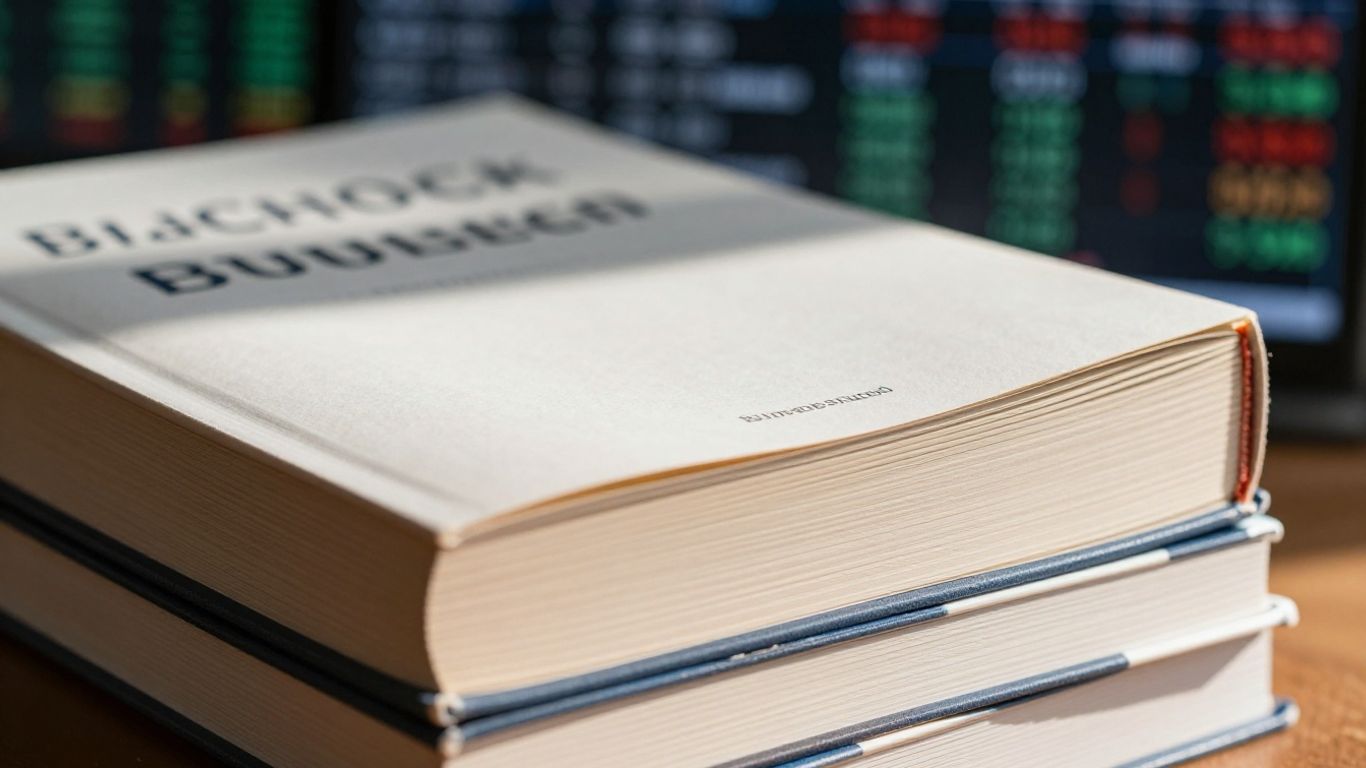
Alright, so you’re looking to really get a handle on the whole forex thing, right? This book, "Mastering the Markets: A Comprehensive Guide to Foreign Exchange Trading," is pretty much your next step after the basics. It’s not just about knowing what a pip is anymore; it’s about putting that knowledge to work.
Think of it like this: you’ve learned the alphabet, now it’s time to start writing sentences, maybe even a whole story. This guide gets into the nitty-gritty of how the market actually ticks. We’re talking about digging into different currency pairs, not just the majors, and figuring out what makes them move. It’s about understanding the economic news that actually impacts prices, not just reading headlines.
Here’s a peek at what you’ll find inside:
- Understanding Market Sentiment: It’s not just charts; it’s about what traders are feeling. Is everyone bullish or bearish on a certain currency? This book helps you read between the lines.
- Advanced Chart Analysis: Beyond basic patterns, you’ll learn to use indicators in combination, spot divergences, and understand volume more effectively.
- Developing a Trading Plan: This isn’t just a wish list. It’s a detailed plan covering your entry and exit points, risk per trade, and what you’ll do when things don’t go as planned.
- Psychology Deep Dive: We all know emotions get in the way. This section tackles how to keep your cool when the market is wild and stick to your plan, even when it’s tough.
You’ll learn to look at the forex market not just as a place to make money, but as a complex system driven by economics, news, and human behavior. The goal is to build a solid strategy that fits your personality and your life, not just copy someone else’s.
The real aim here is to move from just trading to actually mastering the market. It’s about making informed decisions, managing your money smartly, and having a clear process for every trade you make. It’s a big step, but totally doable with the right guidance.
3. Forex Trading for Beginners: The Complete And Ultimate Guide To Create Passive Income And Get Money

So, you’re thinking about getting into forex trading, huh? Maybe you’ve heard about people making a bit of extra cash on the side, or even building a whole income stream from it. It sounds pretty good, right? This book is basically your starter pack, designed to take you from knowing next to nothing about currency markets to actually making trades. We’re going to break down all the confusing bits, like what a ‘pip’ is or why the euro is doing its own thing against the dollar.
The main goal here is to get you comfortable enough to start trading without feeling totally lost. We’ll cover the absolute basics: how to pick a decent broker (that’s the company you trade through), how to set up your trading account, and how to actually use the trading software. It’s not rocket science, but it does take a bit of getting used to.
Here’s a quick look at what we’ll get into:
- Understanding the forex market: What it is, how it works, and why it’s so big.
- Getting your trading account set up: Choosing a broker and what to look for.
- Your first trades: How to place buy and sell orders.
- Basic charting: Looking at price movements to get a feel for trends.
- Keeping your money safe: Simple ways to avoid losing it all on one bad trade.
It’s easy to get excited about the potential profits, but it’s way more important to focus on not losing money when you’re just starting out. Think of it like learning to ride a bike – you’re going to wobble, maybe even fall, but you want to do it on soft grass, not a busy highway.
We’ll also touch on how to manage your money, which is super important. You don’t want to bet the farm on a single trade. We’ll look at simple ways to figure out how much you should trade and how to set limits to protect yourself. The idea is to build a solid foundation so you can eventually aim for that passive income goal without taking on crazy risks. It’s a journey, for sure, but this guide is meant to make that first part of the journey a lot smoother.
4. Mastering Financial Risk
Managing risk in forex trading isn’t just a checkbox; it’s the real deal if you want your account to last. One big loss can erase weeks of profit, so protecting your capital matters more than picking the right currency pair.
Let’s break down some practical steps for managing financial risk:
- Always set a stop-loss level before entering any trade.
- Adjust your position size based on the money you’re willing to lose (not the money you hope to gain).
- Never risk more than 1-2% of your total trading account on a single trade.
- Review and update your risk strategy regularly as your experience grows and market conditions change.
Here’s a quick look at how these principles might play out with a $5,000 trading account:
| Trade Risk % | Max $ Risk Per Trade | Minimum Stop-Loss Distance (Pips) | Position Size (Lots) |
|---|---|---|---|
| 1% | $50 | 25 | 0.2 |
| 2% | $100 | 25 | 0.4 |
Sticking to your plan feels tedious on ‘good’ days, but it’s what saves you when things get unpredictable and the market turns against you.
If you’re always chasing the big win or trying to recover from a bad trade, it can lead to even riskier decisions and bigger losses. It’s kind of boring, but mastering risk management is what separates consistent traders from occasional winners. If you’re building your skills, make risk management your daily habit—don’t just leave it for when things go south.
Wrapping It Up
So, there you have it. We’ve gone through some of the top books out there that can really help you get a handle on forex trading. It’s not always easy, and you’ll probably make some mistakes along the way, but having good information is half the battle. These books give you a solid starting point, whether you’re just curious or ready to jump in. Remember, learning is a continuous thing in trading, so keep reading, keep practicing, and don’t be afraid to learn from your trades. Good luck out there.
Frequently Asked Questions
What exactly is Forex trading?
Forex trading is like swapping money from one country to another. Imagine you’re traveling and need to exchange your dollars for euros. Forex trading is a much bigger version of that, where people buy and sell currencies from all over the world, hoping the exchange rate will change in their favor so they can make a profit.
Can anyone start trading Forex?
Yes, pretty much anyone can start trading Forex! You don’t need a special degree. All you really need is a computer, internet access, and a bit of money to start with. Many books and online resources can help you learn the ropes, even if you’re totally new to it.
Is Forex trading risky?
Trading Forex can be risky, just like any investment. Prices can go up and down quickly. That’s why it’s super important to learn how to manage your money wisely and not risk more than you can afford to lose. Think of it like learning to ride a bike – you might fall a few times, but with practice and caution, you can get better.
How much money do I need to start trading Forex?
You can actually start trading Forex with a relatively small amount of money. Some brokers let you open an account with as little as $50 or $100. However, to make meaningful profits, you’ll likely need more. The key is to start small, learn, and only add more money as you get more comfortable and successful.
What’s the difference between a beginner and an expert Forex trader?
A beginner is just starting, learning the basics, and probably making mistakes. An expert has been trading for a while, has developed a solid strategy, understands the market deeply, and knows how to control their emotions. Experts have learned from many trades, both good and bad.
How long does it take to become good at Forex trading?
There’s no set time, as everyone learns differently. Some people might start seeing consistent success within a few months of dedicated study and practice, while others might take a year or more. The most important thing is to keep learning, stay disciplined, and never stop practicing.