Great signage works like a friendly wave. It catches a passerby’s eye, delivers a quick message, and nudges them to step inside. Whether you run a café, clinic, or car wash, smart outdoor signs can turn casual foot traffic into paying customers without blowing your budget.
Why Outdoor Signs Still Work
People remember simple messages they see again and again. Signs meet customers in the real world at the moment of need, which makes your message feel useful instead of intrusive. Industry researchers report steady growth for outdoor advertising spend, showing confidence that brands still win attention in public spaces.
Outdoor media also builds trust. Shoppers often see the same sign on their commute, then act when the timing is right. That repeated exposure makes your brand feel familiar.
Signage reaches people who block online ads. A clean storefront banner or clear parking sign speaks directly to the community. It is a reliable channel when digital costs rise and targeting rules change.
Match Format To Your Location
Start with how people pass your business. If most are drivers, you need big type, strong contrast, and few words. If most are walkers, you can use tighter copy and smaller elements near eye level.
Plan the viewing distance. You might choose large, weatherproof prints for your vinyl banners so headlines stay readable from across the street. Then add a blade sign or window decal to repeat the same message.
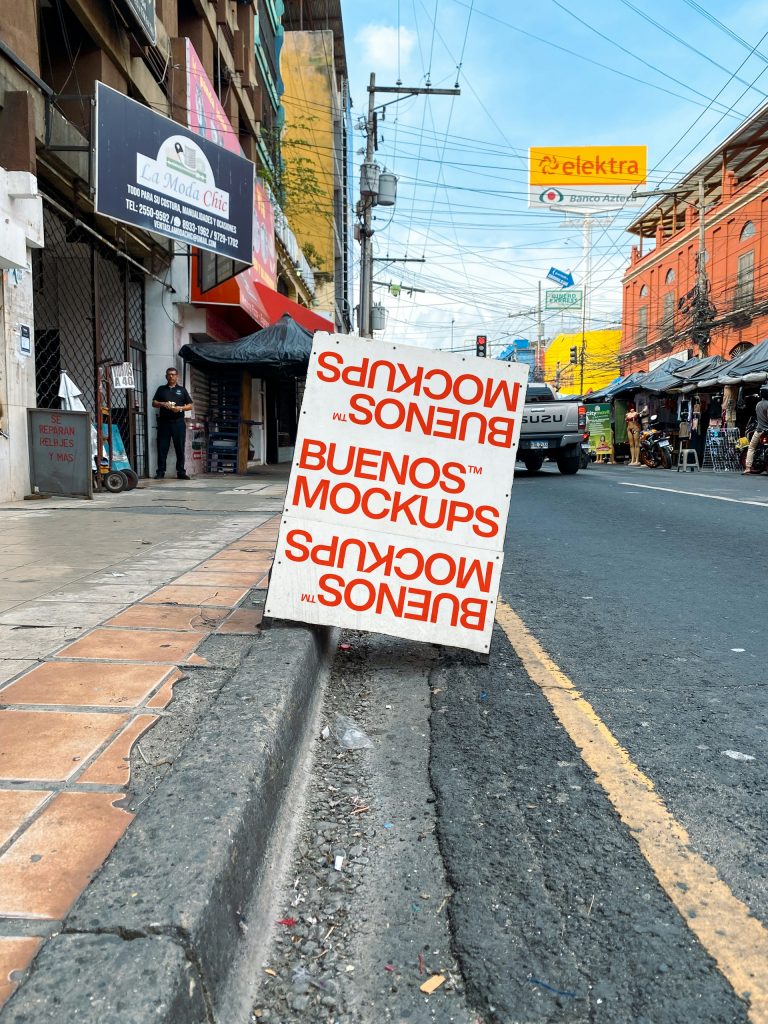
Think in layers. A pole sign draws attention from the road. A sidewalk A-frame helps decision-making right at the door. Together, they guide people in without confusion.
Design Basics That Grab Attention
A few design moves do most of the work:
- One clear focal point per sign
- Short headline under 7 words
- High-contrast color pairing
- Simple typeface with good weight
- Plenty of empty space around text
- Consistent logo placement
- A single action phrase like Order Here
Write Copy People Can Scan
Lead with the benefit. Instead of Seasonal Sale, try Save 20% Today. Begin with the strongest word so a glance delivers meaning.
Make every word earn its space. Use everyday language and avoid jargon. Numbers beat adjectives because they feel concrete.
Give direction that reduces friction. Try phrases like Free Parking Left or Walk-Ins Welcome. If you promise easy steps, people are more likely to act.
Make It Durable And Weather-Ready
Choose materials that match your climate. Heavy-duty vinyl, aluminum composite, and PVC handle the sun and rain well. Ask for UV-resistant inks to keep colors from fading.
Plan the mounting method early. Use grommets, zip ties, or weighted bases to keep signs secure. In high wind, consider mesh banners that let air pass through.
Think about maintenance. Wipe signs clean on a schedule so dirt does not dull colors. A crisp sign signals that you care about details.
Measure What Works And Improve
Treat every sign like a small test. Use a scannable QR or short code to track response. Change one element at a time so you can learn what caused the lift.
Decide on your core metric. For walk-in stores, track foot traffic, redemptions, or average ticket. For service businesses, track calls, form fills, or booked appointments.
Set a clear testing window. Run each version for a full week so you cover weekdays and weekends. Note weather, events, or road work that could skew results.
Follow industry signals when you plan budgets. Many marketers are shifting spend to digital out-of-home because it blends reach with flexible messaging. Use that insight to try rotating messages by time of day or day of week.
Simple Workflow For Consistent Results
Write your headline first, then design around it. If the headline does not fit on one line at your target distance, shorten it. Use a simple five-second test – can someone read it and get the point in five seconds from the sidewalk or curb.
Build a tiny style guide. Pick two typefaces and three colors, then stick to them. Add basic rules like logo clear space, default font sizes for banners vs window signs, and a note on maximum line length.
Set up a simple production routine. Name files with version numbers and dates so you do not overwrite work. Do a quick preflight before printing – check contrast, margins, bleed, grommet placement, and test any QR codes with a phone.

Good outdoor signage does not shout. It speaks clearly at the right moment, in the right place, and invites people in. Pick readable layouts, keep your message short, and choose materials that last so your sign works hard every day.

A dad of 3 kids and a keen writer covering a range of topics such as Internet marketing, SEO and more! When not writing, he’s found behind a drum kit.