Precious metals have been a cornerstone of investment portfolios for centuries, providing safety, stability, and potentially strong returns, especially during periods of economic uncertainty. Of the many precious metals available, gold and silver have remained the first choices for many investors, each offering unique benefits and compelling investment cases. Before choosing between the two, it’s important to examine their characteristics, market behavior, and potential in today’s ever-changing economy. For a deeper dive into the latest precious metals outlook, review this guide from Preserve Gold.
While both metals often shine during macroeconomic distress, their performance, demand, and risk profiles can set them apart for different types of investors. Understanding these nuances can help investors decide which metal best aligns with their financial goals and risk tolerance.
Market Performance
The market performance of gold and silver often acts as a barometer for investor sentiment during times of financial upheaval. In December 2025, gold reached unprecedented levels, spiking to a record high of $4,480.60 per ounce. This marked a 71% increase in just one year, largely attributed to inflationary fears, geopolitical instability, and central bank purchasing. Silver, ever the dynamic counterpart, soared above $70 per ounce in the same period, representing a dramatic 143% year-to-date surge. The rapid appreciation in both metals highlighted their status as safe havens and their sensitivity to macroeconomic forces. According to a Kiplinger analysis, these trends could persist as uncertainty continues to weigh on global markets.
Demand Drivers
Gold and silver see demand driven by very different forces. Gold’s role spans from jewelry and investment products to serving as a reserve asset for central banks. In 2025, over 1,500 tonnes of gold demand came from the jewelry sector, while central banks added more than 860 tonnes to their reserves. This broad base of demand delivers a layer of stability often unmatched by other commodities. Silver, on the other hand, is heavily reliant on industrial use. In 2024, almost 460.5 million ounces of silver were used in electrical and electronic applications, with further demand from sectors such as solar and medical devices. This gives silver a unique growth engine but also links its fortunes closely to the global economy’s performance.
Liquidity and Volatility
Gold’s liquidity is one of its hallmarks. It trades in a global, deep marketplace with tight bid-ask spreads, making it accessible for retail and institutional investors alike. This contributes to its relatively low volatility. Silver, in contrast, experiences much larger price swings and is considered a more speculative asset due to its thin liquidity and ties to the economic cycle. While this can generate outsized returns for those willing to take on more risk, it also increases the potential for steep drawdowns. According to the World Gold Council, these contrasting market characteristics are a key factor in determining which metal best suits an individual’s investment profile.
Portfolio Diversification
Gold is widely regarded as a classic portfolio diversifier, providing ballast and reducing overall volatility during market downturns. It has a well-documented track record as a defensive asset, especially valuable during recessions or bouts of financial stress. Silver’s higher volatility means it behaves more like a high-beta asset. When risk appetite is strong and markets are booming, silver tends to outperform gold. However, this relationship works in reverse during sell-offs or economic slowdowns, where silver can exaggerate losses rather than provide protection. Thoughtful allocation between the two metals may strike a balance between risk mitigation and growth potential.
Industrial Applications
Silver’s diverse industrial applications set it apart from gold. Silver is a key component in electrical circuits, solar panels, automotive systems, and many types of medical devices. This industrial utility supports demand through structural shifts in technology and energy production, such as the rapid growth of clean energy and electric vehicles. However, this same reliance can expose silver prices to economic downturns, as industrial demand is highly sensitive to fluctuations in manufacturing and global growth cycles.
Investment Vehicles
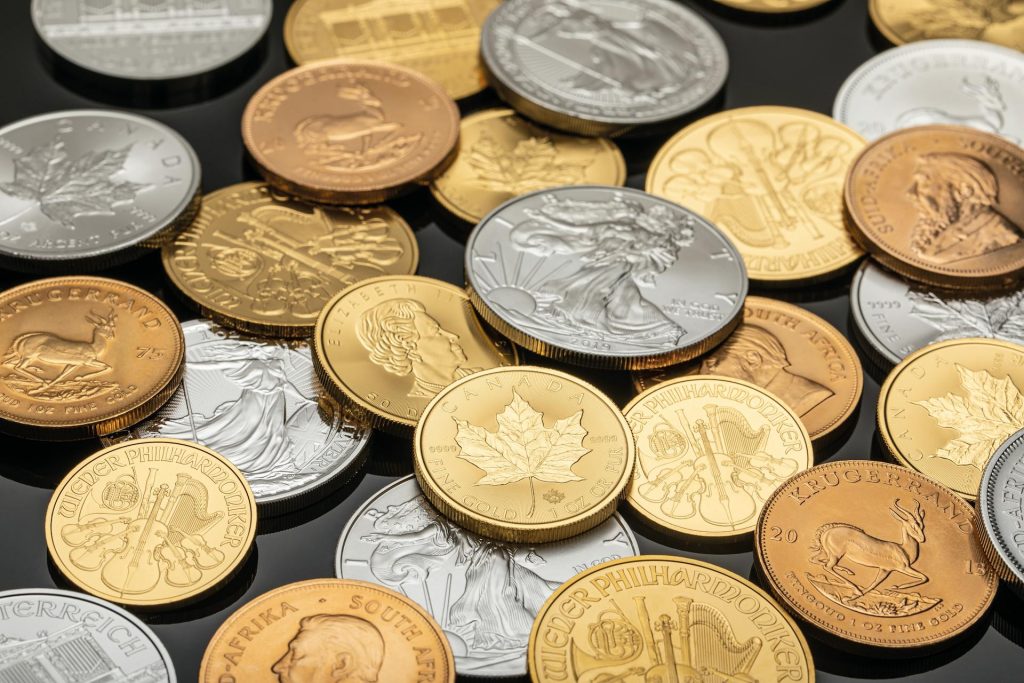
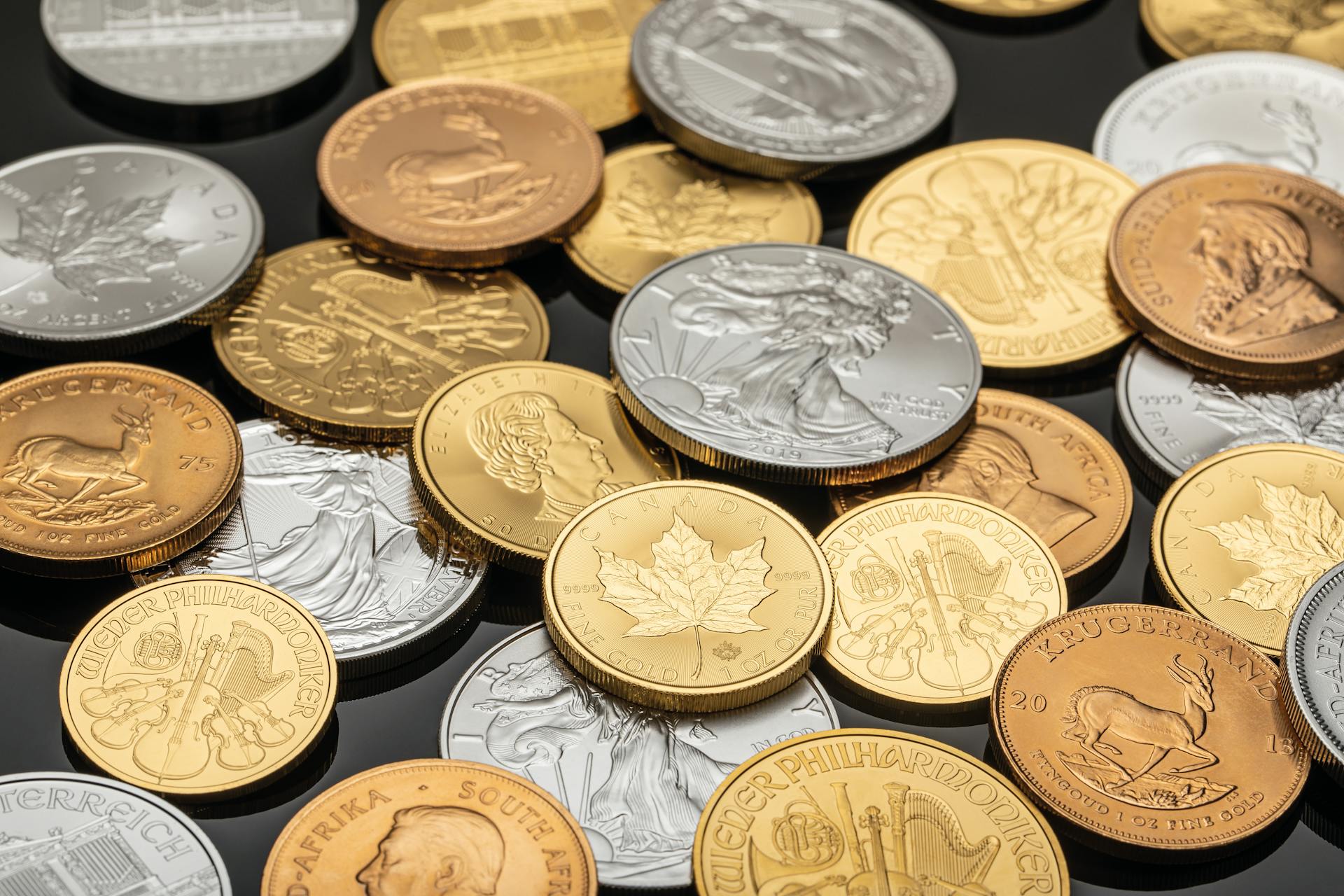
Both metals are accessible through a variety of investment vehicles, ranging from traditional physical bullion and coins to modern exchange-traded funds (ETFs) and mining stocks. ETFs such as SPDR Gold Shares (GLD) and iShares Silver Trust (SLV) enable investors to gain price exposure without the complexity and risks associated with handling physical metals. Mining stocks offer an additional layer of leverage to price movements, but also come with unique company-related risks. Investors should carefully consider their preferred level of convenience, cost structure, and risk exposure before selecting an investment vehicle. Guidance from resources like Kiplinger can be useful for those weighing their options.
Conclusion
Gold and silver each possess distinctive properties and play different roles within a well-balanced investment strategy. Gold’s enduring appeal lies in its unmatched stability, status as a long-standing safe haven, and broad appeal. Silver’s volatility and industrial uses can make it a powerful vehicle for growth-oriented investors, albeit with higher risk. The decision between gold and silver should be guided by individual investment goals, risk appetite, and an understanding of the unique factors that move each market. A thoughtful approach can help ensure that precious metals, whether gold, silver, or a combination of both, effectively contribute to a resilient and diversified portfolio.