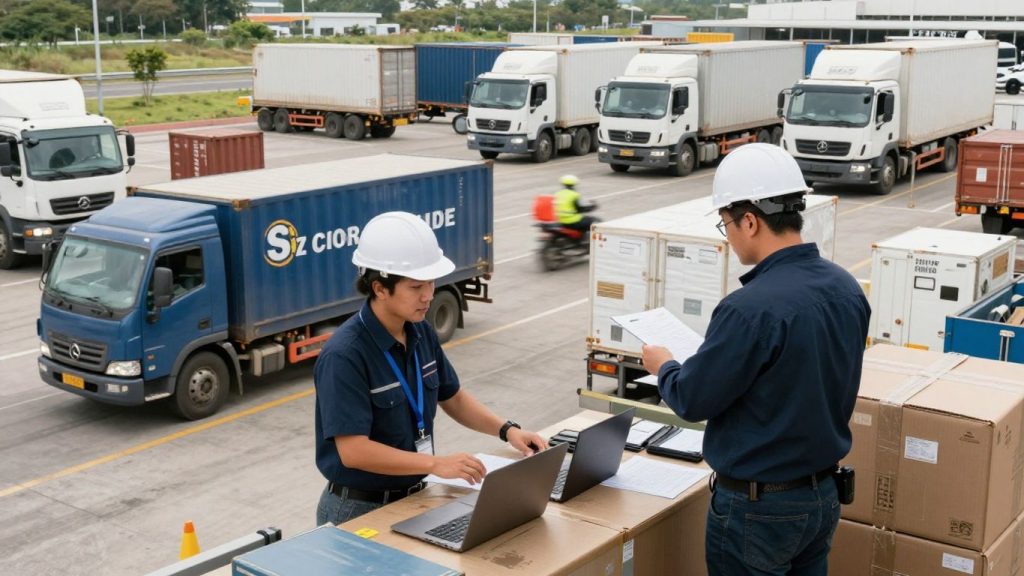
Getting into the freight broker business can seem like a lot, but it’s really not that complicated once you break it down. Think about it – someone needs to move stuff, and someone else has a truck to do it. You’re the person who connects them. This guide will walk you through what it takes to be a good freight broker, from learning the ropes to making sure everything runs smoothly. We’ll cover the basics so you can start your journey in this busy field.
Key Takeaways
- Understand the basic job of a freight broker and what skills are needed.
- Learn the industry terms and how logistics works.
- Get training to know the ins and outs of being a freight broker.
- Know how to manage shipments, find trucks, and get paid.
- Build good relationships with the people you work with, like shippers and carriers.
Understanding The Freight Broker Role
Decoding The Linchpin Of Transportation
Think of a freight broker as the person who makes the whole shipping process work. They’re the ones who connect companies needing to send goods with the trucking companies that can move them. It’s not just about finding a truck; it’s about making sure the right truck, with the right driver, shows up at the right time and for the right price. You’re essentially solving a big logistical puzzle for businesses.
The Core Function Of A Freight Broker
At its most basic, a freight broker’s job is to make shipping happen without a hitch. This means understanding what a company (the shipper) needs to send – what the item is, where it’s going, and when it needs to get there. Then, you find a trucking company (the carrier) that can handle the job. This involves a lot of talking, figuring out prices, and making sure all the paperwork is in order. You’re managing the whole process, keeping both the shipper and the carrier in the loop.
Essential Skills For Success
To do well as a freight broker, you need a few key abilities. Being able to talk clearly and effectively with different people is a big one. You’ll be on the phone a lot. You also need to be good at sales – convincing shippers to use your service and carriers to take your loads. When things go wrong, and they often do in shipping, you have to be able to figure out a solution quickly.
Here’s a quick look at what’s important:
- Communication: Talking clearly with shippers and carriers.
- Organization: Keeping track of many shipments, documents, and deadlines.
- Sales: Persuading people to work with you.
- Problem-Solving: Handling unexpected issues like delays or truck problems.
- Tech Use: Being comfortable with computer programs for managing loads.
Being a freight broker means you’re the main point of contact for a complicated transaction. How well you manage information, talk to people, and fix problems directly affects if a shipment is successful and if your clients are happy.
Acquiring Crucial Industry Knowledge

Before you can really start making moves as a freight broker, you need to get a solid grip on how the whole transportation world spins. It’s not enough to just know you’re moving stuff from point A to point B; you’ve got to understand the details. Think of it like learning a new language – you start with the basic words and phrases, and then you build from there.
Navigating Industry Jargon and Logistics
This business has its own language, and you’ll need to learn it. Terms like LTL (Less Than Truckload), FTL (Full Truckload), detention, and demurrage might sound like gibberish now, but they’ll become second nature. Understanding these terms is step one. You also need to grasp the flow of goods, from the moment a truck is booked until the final delivery happens. Knowing the different stages and what happens at each one is pretty important.
Here’s a quick rundown of what you need to get a handle on:
- Understanding the basics of moving goods: How products get from where they’re made to where they need to go.
- Learning common industry terms: Like LTL, FTL, BOL (Bill of Lading), and what they mean in practice.
- Knowing the steps from pickup to delivery: From booking the truck to the final drop-off, and what happens at each point.
The transportation industry is complex, with many moving parts. Taking the time to learn these basics will save you a lot of headaches down the road and help you make smarter decisions from day one.
Gaining Hands-On Logistics Experience
Reading about logistics is one thing, but actually doing it is another. If you can, try to get some experience, even if it’s just for a short while, working for a trucking company, a warehouse, or even another brokerage. This kind of practical experience is gold. You’ll see firsthand how loads are booked, how drivers are managed, and what challenges arise in real-time. This isn’t always easy to find, but even shadowing someone or taking on small, low-risk tasks can be incredibly insightful.
Understanding Different Equipment and Freight Types
Not all freight is the same, and neither are the trucks that haul it. You need to know the difference between a dry van, a reefer (refrigerated trailer), and a flatbed. Each is used for specific types of cargo. For example, you wouldn’t put frozen food on a flatbed, right? Understanding these differences helps you match the right equipment to the right load, which is key to keeping both shippers and carriers happy. It also helps you avoid costly mistakes.
Here’s a quick look at some common equipment:
- Dry Van: Standard enclosed trailer for general goods.
- Reefer (Refrigerated): Temperature-controlled for perishables.
- Flatbed: Open trailer for oversized or oddly shaped items.
- Tanker: For liquids or gases.
Knowing these basics will help you quote jobs accurately and avoid problems down the line.
Essential Training And Education For Freight Brokers
Getting the right training is a big step if you want to be a successful freight broker. It’s not just about knowing the basic terms; it’s about really understanding how the whole system works and how to handle things when they don’t go as planned. Think of it like learning to cook – you need to know the ingredients, how to use the tools, and what to do if you burn something. You want to find programs that teach you the day-to-day stuff, like how to find good trucking companies, how to talk to businesses that need things shipped, and how to make sure all the paperwork is correct. Some courses might even show you how to figure out prices, which is a pretty important part of this job.
Pursuing Comprehensive Freight Broker Training
These days, there are a lot of online options, and many are quite affordable, or even free. These courses can be really helpful for picking up specific skills, like understanding different kinds of shipping contracts or learning about the software that brokers use. Getting a certificate from a known program can also give you a little edge when you’re trying to get someone to work with you. It shows you’ve put in the time to learn. Trucknomics offers professional freight broker training in Canada, equipping individuals with essential industry skills, compliance knowledge, and real-world operational understanding to excel in their careers. The more structured your education, the better prepared you’ll be for the realities of the job.
Here are some common topics you’ll find in online training:
- Logistics Basics: How goods move from point A to point B.
- Carrier Relations: How to find and work with trucking companies.
- Shipper Relations: How to connect with businesses needing transport.
- Rate Negotiation: How to agree on prices for shipments.
- Documentation: Understanding bills of lading, contracts, and other paperwork.
Leveraging Industry Books For Knowledge
Knowledge is the key to success in any industry, and freight brokerage is no exception. Whether you’re an aspiring freight broker or a seasoned professional looking to enhance your skills, reading books on freight brokerage can provide valuable insights and strategies to excel in the transportation industry. While some people jump in with minimal training, those who invest in structured education often find themselves better prepared for the challenges and opportunities in the industry. It’s about building a solid foundation of knowledge that you can rely on.
Here are a few books that can help:
- "Freight Broker Business Startup: The Ultimate Guide to Starting and Running a Trucking Freight Brokerage Business" by Allen McCarthy
- "The Transportation Broker’s Survival Guide" by Mike Starosciak
- "Negotiation Genius: How to Overcome Obstacles and Achieve Brilliant Results at the Bargaining Table and Beyond" by Deepak Malhotra and Max H. Bazerman
Developing Key Sales And Negotiation Skills
When things go wrong, and they often do in shipping, you have to be able to figure out a solution quickly. Being a good problem-solver means staying calm under pressure and having a clear process for addressing unexpected events. It’s about minimizing disruption and keeping the freight moving as efficiently as possible, even when challenges arise. You’ll want to learn about:
- Industry Jargon: Understanding terms like LTL (Less Than Truckload), FTL (Full Truckload), BOL (Bill of Lading), and detention time. Knowing this language is key to clear communication.
- Regulations: Getting familiar with the rules and laws that govern transportation, like FMCSA regulations and UCR (Unified Carrier Registration).
- Calculating Rates: Learning how to determine profitable rates.
Being a freight broker means you’re the main point of contact for a complicated transaction. How well you manage information, talk to people, and fix problems directly affects if a shipment is successful and if your clients are happy.
Mastering Freight Broker Operations

Handling the day-to-day tasks of a freight broker can feel like juggling. It’s more than just connecting a shipper with a truck; it involves a lot of moving parts to keep things running smoothly. You’re figuring out prices, finding trucks, keeping an eye on shipments, and making sure everyone gets paid on time. It sounds like a lot, but there’s a method to the madness.
Calculating Freight Shipment Rates
Figuring out a fair price for a shipment is a mix of research and a little bit of math. You want to offer a rate that shippers find competitive, which also makes carriers want to take the job. Don’t forget to think about how far the load has to go, what kind of truck is needed, current fuel costs, and what the market is doing right now.
Here’s a breakdown of what goes into a rate:
- Distance: The total miles the shipment will travel.
- Freight Type: Is it general goods in a dry van, something needing a reefer, or an oversized item on a flatbed?
- Market Rates: What are others charging for similar routes and equipment?
- Fuel Surcharge: This changes based on fuel prices.
- Accessorial Fees: Extra charges for things like waiting time (detention) or covering a load (tarping).
Always compare your quotes with what’s currently being offered on the spot market. Keep an eye out for price changes during busy seasons. It’s also smart to check for any hidden fees before you give a final price.
You’re the middleman, and your pricing needs to make sense for both the person sending the goods and the person hauling them. Get it wrong, and you might lose the business or the carrier.
Locating Trucks And Managing Loads
Finding an available truck is where your network and tools come into play. Load boards are common, but you’ll want to use more than just those listings. Calling carriers you’ve worked with before, using a trusted network of brokers, and just talking to people in the industry can help you find trucks faster. Sometimes, the first truck you find isn’t the best fit, and a little patience can pay off.
Here are the basic steps to get a truck booked:
- Post the load details on load boards and share it within your network.
- Contact carriers you know and trust.
- Review offers from new carriers, looking beyond just the price.
- Confirm the carrier’s details, including their operating authority and insurance.
Once you have a truck, communication is key. Regular updates keep everyone informed, especially if there are delays.
Ensuring Smooth Payment Processes
Getting paid and paying carriers on time is super important for keeping your business running. Late payments can really hurt your cash flow and upset carriers, making them less likely to work with you again. You need a system that works.
Common ways to handle payments:
- ACH Transfers: Quick and easy digital payments.
- Checks: Still used by some, though slower.
- Factoring Companies: These companies pay you quickly for your invoices, for a fee.
Staying organized with all the paperwork and payment details is the backbone of a good operation. Even a small error on an invoice or rate confirmation can delay payment and cut into your profits. Getting these operations right builds trust with both shippers and carriers.
Building Strong Relationships
Look, in the freight world, it’s not just about moving boxes from point A to point B. It’s about the people you work with. You’ve got shippers who need their stuff moved, and you’ve got carriers who are actually doing the driving. If you mess up with either of them, your whole operation can get shaky.
The Importance Of Trust With Shippers
Shippers are the ones paying the bills, right? They’re handing over their goods and expecting them to arrive on time and in one piece. Your job is to make that happen, and to make it look easy. This means really listening to what they need. Don’t just hear them; understand their specific worries. Are they worried about a tight deadline? Is it a fragile item? Figure out their main problem and then show them how you can fix it. It’s not just about finding a truck; it’s about solving their logistics puzzle.
- Be responsive: When a shipper calls or emails, get back to them fast. Seriously, speed matters.
- Offer solutions: Don’t just say ‘yes, I can get a truck.’ Say, ‘Yes, I can get a truck, and here’s how we’ll make sure it gets there by Tuesday morning.’
- Be reliable: Do what you say you’re going to do. If you promise a certain type of truck, deliver that truck.
Building a solid base of shippers takes time and consistent effort. It’s about showing up every day and being the kind of broker they want to work with. They have options, so you need to be the best option for them.
Cultivating Reliable Carrier Partnerships
Carriers are your backbone. They’re out there on the road, making it all happen. You need them to trust you, and you need to trust them. How do you build that? Simple: be someone they can count on. That means paying them what you owe them, and paying it on time. No excuses. If you’re late with a payment, it makes them think twice about taking your next load, especially when things get busy and they have other options.
- Pay promptly: Stick to the payment terms you agreed on. Late payments can really damage a relationship.
- Communicate clearly: Keep them in the loop about load details, pickup times, and any changes. Nobody likes surprises.
- Understand their needs: Know what kind of freight they prefer, where they like to run, and what equipment they have. Share your availability and preferred lanes proactively.
Effective Communication Strategies
Honestly, communication is the glue that holds everything together. Whether you’re talking to a shipper about a new load or a carrier about a delivery delay, clear and consistent communication is key. It prevents misunderstandings and keeps everyone on the same page. When you communicate well, you build stronger relationships, and that’s what makes a freight brokerage business stick around.
- Active Listening: Really pay attention when people are talking. Ask clarifying questions.
- Proactive Updates: Don’t wait for problems to arise. Let people know what’s happening, good or bad, as soon as you can.
- Professional Tone: Even when things get tough, keep your cool. A calm, professional approach goes a long way.
Staying Current With Industry Changes
The world of freight brokering isn’t static; it’s a constantly moving target. What worked last year might not be the best approach today. To really make a go of this career, you’ve got to be willing to keep learning and adapting. It’s not a set-it-and-forget-it kind of business.
Monitoring Regulatory Updates
Government agencies like the FMCSA (Federal Motor Carrier Safety Administration) are always tweaking the rules. These changes can affect everything from how carriers operate to what brokers are responsible for. Staying on top of these updates is key to avoiding trouble and keeping your business compliant. It’s wise to regularly check official sources or subscribe to industry newsletters that track these shifts. Ignoring new regulations can lead to fines or even suspension of your operating authority.
Adapting To Technology Trends
Technology is changing how we do business, and freight is no exception. New software pops up all the time that can help you find loads, track shipments, or communicate better. Think about Transportation Management Systems (TMS) that can really streamline your day-to-day tasks. Embracing useful tech can make your operations smoother and give you an edge over competitors. It’s about working smarter, not just harder.
Navigating Market Fluctuations
Fuel prices, the general state of the economy, and how much stuff people need shipped – it all impacts shipping rates. Understanding these ups and downs helps you price loads correctly and give your clients good advice. Keeping an eye on the North American freight market can give you a heads-up on what to expect. This kind of knowledge helps you stay competitive and profitable, even when things get a bit wild.
The transportation industry is dynamic, with regulations and market conditions constantly changing. Continuous learning ensures your services stay relevant and competitive. It’s about building a solid foundation of knowledge that you can rely on.
Here are a few ways to keep your finger on the pulse:
- Read industry publications and blogs.
- Attend webinars and online training sessions.
- Network with other brokers, carriers, and shippers.
- Follow reputable logistics news sources.
Ready to Get Moving?
So, you’ve gone through the steps and learned what it takes to be a freight broker. It might seem like a lot at first, but it’s really something you can do. Think about everything we’ve covered – getting your business set up, learning the industry, and building good relationships. It won’t always be easy, and some things might not work out perfectly right away. But by staying organized, communicating well, and always being ready to solve problems, you’ll be on the right track. Keep learning, keep adapting, and you’ll build a solid business in this field. Good luck out there!
Frequently Asked Questions
What exactly does a freight broker do?
Think of a freight broker as a matchmaker for shipping. They connect businesses that need to send goods (shippers) with trucking companies that can move those goods (carriers). They handle all the details, like finding the right truck, negotiating prices, and making sure everything runs smoothly from pickup to delivery.
Do I need special training to become a freight broker?
While you don’t always need a specific license to start, getting good training is super important. It’s like learning the rules of a game before you play. Training helps you understand industry terms, how to find loads, how to talk to truckers and customers, and how to handle all the paperwork correctly. It sets you up for success.
What are the most important skills for a freight broker?
You’ll need to be a great communicator because you’ll be talking to people on the phone a lot. Being organized is key to keeping track of all the shipments and details. Sales skills help you find customers and carriers, and problem-solving is a must because things don’t always go as planned in shipping. Being good with computers also helps a lot.
How do I find trucks to move the freight?
Finding trucks is a big part of the job. You can use online tools called ‘load boards’ where companies post jobs. You can also build relationships with trucking companies you trust and call them directly. Sometimes, it’s about knowing the right people and having a good network.
Why is building relationships so important in this job?
Building trust with both shippers (the ones sending goods) and carriers (the ones hauling them) is super important. When people trust you, they’re more likely to work with you again. Good relationships mean smoother deliveries, fewer problems, and a stronger business in the long run.
How do I figure out how much to charge for shipping?
Figuring out prices involves looking at a few things. You need to consider how far the shipment is going, what kind of truck is needed, and what the current market rates are. Fuel costs and any extra services needed also play a part. You want to set a price that’s fair for the shipper and still makes it worth it for the trucking company.