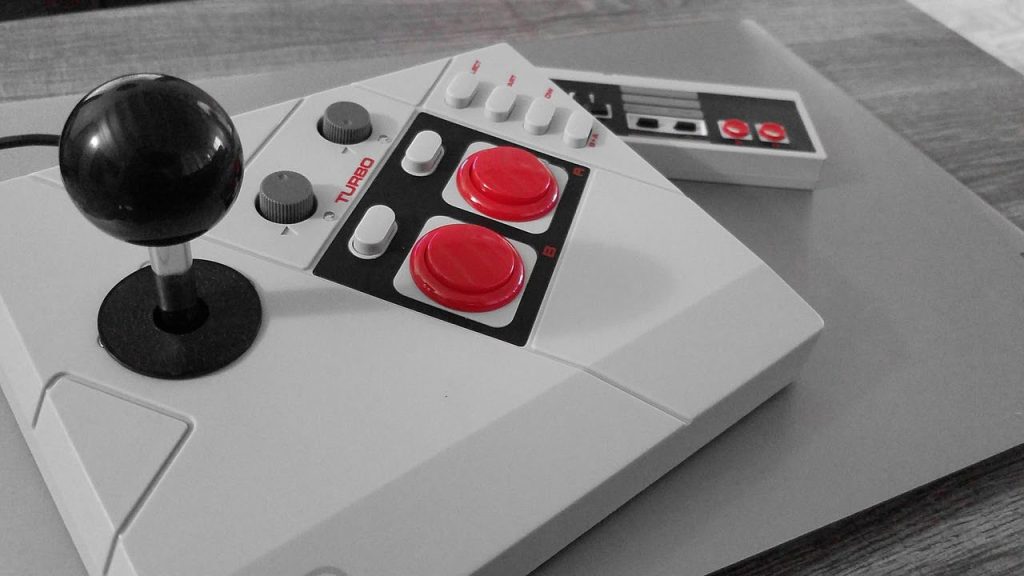
Retro games are resurfacing in mainstream gaming, and while many think of this as just nostalgia, there is a deeper and innate desire to fulfill. Players are craving quality time and real challenges, and retro games have made a comeback to deliver them.
Modern online gaming has advanced since retro games, offering complex mechanics such as live updates, seasonal passes, daily challenges, and constant events. On the surface, they appear to offer value, but for many players, it eventually leads to fatigue. And when this happens, gaming sessions stop feeling like play and start feeling like maintenance. Instead of logging in to play and enjoy themselves, players start logging in because they must.
Across digital platforms, this kind of fatigue is present, where people increasingly prefer systems that are lighter, faster, and less complicated—much like how instant withdrawal casinos operate without verification, which attract users by removing unnecessary steps. In video gaming, the same principle applies. Players are usually drawn to experiences that give them the best quality time, reduce mental overload, and focus on skill rather than constant engagement.
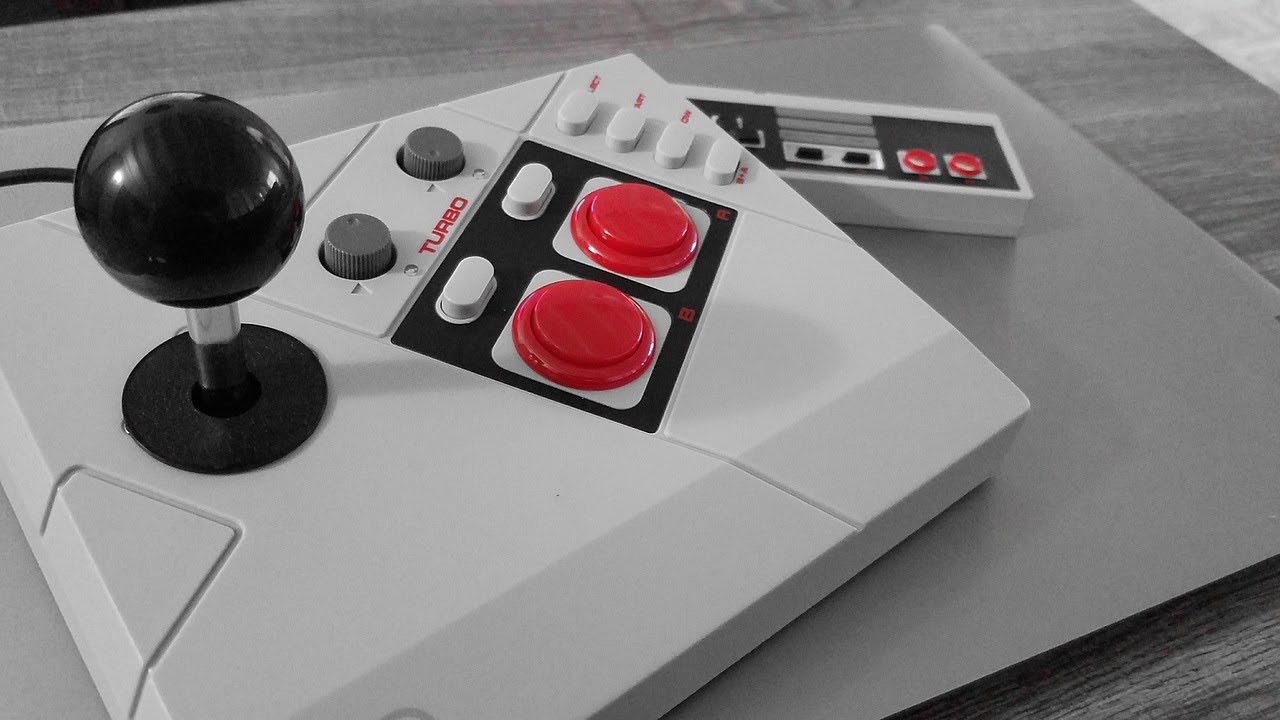
The Problem With Endless Systems of Modern Games
One of the biggest issues in modern online games is overloaded designs and features. What begins as a simple desire to enjoy a game often expands into nested menus, rotating events, boosts, modifiers, and progression paths. Players are no longer playing the game alone; they are managing it. It can feel like a second job, especially when optimal play requires planning rather than instinct. Players often feel frustrated even before they open the game app.
Grinding makes the problem even worse. Progress is frequently tied to repetition instead of gear improvement. Older games required players to study the particular level well before finishing. But now, rather than learning enemy behavior, players are asked to repeat the same tasks for small rewards to boost their gear or skins. Over time, this kind of design frustrates the player and drains motivation.
Modern games also require players to be more engaged rather than just play. Daily log-in rewards compel players to open the app daily, and limited-time events pressure them to finish a level before a specific time. A day of stepping away from the game feels like falling behind. Even when the game is enjoyable, the constant demand for attention can wear players down.
Retro Games Design
Retro games were designed differently. This is why someone can spend time playing retro games and feel fulfilled after finishing one. Players felt worthy of that victory because they actually earned it. Here’s how retro games did it and why they are coming back to mainstream:
Clear Goals Which Reduce Mental Exhaustion
The objectives of retro games were always clear to the player. Players had to finish the level, beat the boss, or survive the stage. There wasn’t much confusion, and there were no other side objectives competing for players’ attention. This clarity made it easier to focus and enjoy the gameplay.
Clear goals also created natural stopping points. Levels ended, and the game actually finished. Retro games had simpler structures than modern games. Players could put the controller down feeling accomplished, instead of feeling like something was left unfinished – maybe a loot box not obtained or a reward not gotten. Modern games are designed differently, often deliberately avoiding this simplicity and stretching the game endlessly.
When the objective of a game is simple and clear, motivation becomes natural. Players will play because they want to overcome a challenge and happily devise strategies to pass a level. This shift goes a long way in reducing burnout.
Tight Mechanics Instead of Endless Content
The recent digital space has taught many people, including developers, that ‘content is king,’ and while this makes sense in many sectors, modern games have overdone it. Older games had limited hardware and storage, so mechanics had to be top-notch and carry the game’s experience. Every jump, dodge, or attack felt deliberate. A player’s skill came from an understanding of how the game responded to whatever input was made.
Many modern games, however, do the opposite. Mechanics feel shallow, and developers compensate by adding more content, such as new items, abilities, gear, and skins. Instead of refining how the game actually feels to play, players are buying gear and in-game features. While variety is achieved, it has reduced the core reason of gaming – enjoyment and a sense of fulfillment after a win.
Tight mechanics keep players engaged without burning them out letting players spend hours without fatigue. When playing feels good, repetition doesn’t feel like work. Players come back to improve their skills and not just to collect rewards.
Meaningful Challenge that Keeps Players Invested
Retro games were difficult. As the levels progressed, the difficulty became even greater. This was fair because enemies followed a particular pattern. Victory in the game would be a product of learning those patterns. Victory does not come from players grinding for rewards but through learning.
In modern games, difficulty becomes more about time spent than skills learned. For instance, enemies get a ridiculous amount of health pools, and unless you upgrade or boost your gear, you can’t win them, no matter your strategy.
Retro Design Not Just Nostalgia but a Solution For Fatigue
The resurgence of retro gaming isn’t just sentiment or nostalgia. It’s a gentle rebellion against the excesses of modern gaming. It’s a yearning for experience that prioritizes simplicity over clutter, mastery over monetization, and fun over friction.
Of course, nostalgia opens the door, but what keeps players, even Generation Z and Alpha, glued to retro games is the enduring quality of well-crafted, purposeful games. Think of playing games like Super Mario bros, Sonic the Hedgehog, God of War, and the like, and enjoy the experience.
Whether you are revisiting your childhood or discovering them for the first time, retro gaming is offering something rare–an opportunity to be free from the fatigue of modern games and delve into fair challenges and quality time.

Peyman Khosravani is a global blockchain and digital transformation expert with a passion for marketing, futuristic ideas, analytics insights, startup businesses, and effective communications. He has extensive experience in blockchain and DeFi projects and is committed to using technology to bring justice and fairness to society and promote freedom. Peyman has worked with international organizations to improve digital transformation strategies and data-gathering strategies that help identify customer touchpoints and sources of data that tell the story of what is happening. With his expertise in blockchain, digital transformation, marketing, analytics insights, startup businesses, and effective communications, Peyman is dedicated to helping businesses succeed in the digital age. He believes that technology can be used as a tool for positive change in the world.