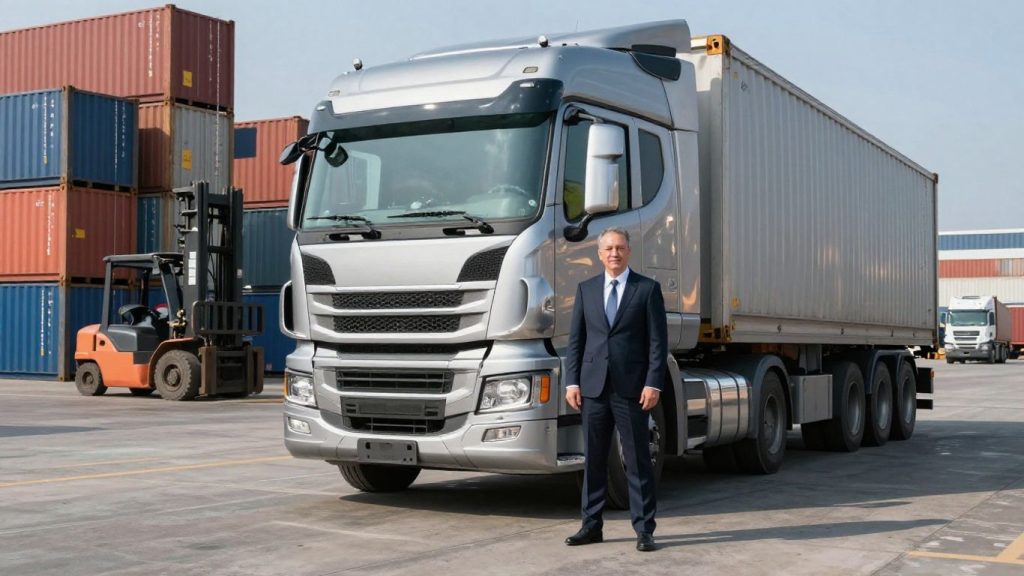
Thinking about a career in shipping and trucking? Becoming a freight broker might be the right move. It’s a job that sits right in the middle of things, connecting people who need stuff moved with the folks who move it. It sounds simple, but there’s a lot to learn. This guide is here to break down how to become a freight broker, step by step, so you can get started on the right foot.
Key Takeaways
- Understand what a freight broker actually does and the skills you’ll need.
- Learn about the rules and regulations that apply to freight brokering.
- Find out about training options to get you up to speed.
- Figure out how to set up your business legally and get the right paperwork.
- Discover the importance of building relationships with carriers and shippers.
Understanding The Freight Broker Role
Decoding The Linchpin Of Transportation
Think of a freight broker as the central connector in the world of moving goods. They’re the ones who figure out how to get products from where they are to where they need to be, using trucks. It’s not just about finding a truck, though. It’s about making sure the right truck, with the right driver, shows up at the right time and price. You’re basically solving a big puzzle for companies that need to ship things.
The Core Function Of A Freight Broker
At its heart, a freight broker’s job is to make shipping happen smoothly. This means understanding what a company (the shipper) needs to send – what it is, where it’s going, and when it needs to arrive. Then, you find a trucking company (the carrier) that can handle the job. This involves a lot of talking, negotiating prices, and making sure all the paperwork is correct. You’re managing the whole process, keeping both the shipper and the carrier in the loop.
Essential Skills For Success
To do well as a freight broker, you need a few key abilities. Being able to talk clearly and effectively with different people is a big one. You’ll be on the phone a lot. You also need to be good at sales – convincing shippers to use your service and carriers to take your loads. When things go wrong, and they often do in shipping, you have to be able to figure out a solution quickly. Here’s a quick look at what’s important:
- Communication: Talking clearly with shippers and carriers.
- Organization: Keeping track of many shipments, documents, and deadlines.
- Sales: Persuading people to work with you.
- Problem-Solving: Handling unexpected issues like delays or truck problems.
- Tech Use: Being comfortable with computer programs for managing loads.
Being a freight broker means you’re the main point of contact for a complicated transaction. How well you manage information, talk to people, and fix problems directly affects if a shipment is successful and if your clients are happy.
Acquiring Crucial Industry Knowledge
Before you can really start making moves as a freight broker, you need to get a solid grip on how the whole transportation world spins. It’s not enough to just know you’re moving stuff from point A to point B; you’ve got to understand the details. Think of it like learning a new language – you start with the basic words and phrases, and then you build from there.
Navigating Industry Jargon and Logistics
This business has its own language, and you’ll need to learn it. Terms like LTL (Less Than Truckload), FTL (Full Truckload), detention, and demurrage might sound like gibberish now, but they’ll become second nature. Understanding these terms is step one. You also need to grasp the flow of goods, from the moment a truck is booked until the final delivery happens. Knowing the different stages and what happens at each one is pretty important.
- Understanding the basics of moving goods.
- Learning common industry terms.
- Knowing the steps from pickup to delivery.
The transportation industry is complex, with many moving parts. Taking the time to learn these basics will save you a lot of headaches down the road and help you make smarter decisions from day one.
Gaining Hands-On Logistics Experience
Reading about logistics is one thing, but actually doing it is another. If you can, try to get some experience, even if it’s just for a short while, working for a trucking company, a warehouse, or even another brokerage. This kind of practical experience is gold. You’ll see firsthand how loads are booked, how drivers are managed, and what challenges arise in real-time. This isn’t always easy to find, but even shadowing someone or taking on small, low-risk tasks can be incredibly insightful. You can find some great free courses on supply chain digitization that can give you a better idea of what’s out there.
Understanding Different Equipment and Freight Types
Not all freight is the same, and neither are the trucks that haul it. You need to know the difference between a dry van, a reefer (refrigerated trailer), and a flatbed. Each is used for specific types of cargo. For example, you wouldn’t put frozen food on a flatbed, right? Understanding these differences helps you match the right equipment to the right load, which is key to keeping both shippers and carriers happy. It also helps you avoid costly mistakes.
Here’s a quick look at some common equipment:
- Dry Van: Standard enclosed trailer for general goods.
- Reefer (Refrigerated): Temperature-controlled for perishables.
- Flatbed: Open trailer for oversized or oddly shaped items.
- Tanker: For liquids or gases.
Knowing these basics will help you quote jobs accurately and avoid problems down the line.
Essential Training And Education For Freight Brokers

Pursuing Comprehensive Freight Broker Training
Getting the right training is a big step if you want to be a successful freight broker. It’s not just about knowing the basic terms; it’s about really understanding how the whole system works and how to handle things when they don’t go as planned. Think of it like learning to cook – you need to know the ingredients, how to use the tools, and what to do if you burn something. You want to find programs that teach you the day-to-day stuff, like how to find good trucking companies, how to talk to businesses that need things shipped, and how to make sure all the paperwork is correct. Some courses might even show you how to figure out prices, which is a pretty important part of this job.
Leveraging Online Courses And Certifications
These days, there are a lot of online options, and many are quite affordable, or even free. These courses can be really helpful for picking up specific skills, like understanding different kinds of shipping contracts or learning about the software that brokers use. Getting a certificate from a known program can also give you a little edge when you’re trying to get someone to work with you. It shows you’ve put in the time to learn.
Here are some common topics you’ll find in online training:
- Logistics Basics: How goods move from point A to point B.
- Carrier Relations: How to find and work with trucking companies.
- Shipper Relations: How to connect with businesses needing transport.
- Rate Negotiation: How to agree on prices for shipments.
- Documentation: Understanding bills of lading, contracts, and other paperwork.
Learning the ins and outs of freight brokering takes time and effort. While some people jump in with minimal training, those who invest in structured education often find themselves better prepared for the challenges and opportunities in the industry. It’s about building a solid foundation of knowledge that you can rely on.
Key Training Topics To Cover
When you’re looking into training programs, make sure they cover the practical side of things. You’ll want to learn about:
- Industry Jargon: Understanding terms like LTL (Less Than Truckload), FTL (Full Truckload), BOL (Bill of Lading), and detention time. Knowing this language is key to clear communication.
- Regulations: Getting familiar with the rules and laws that govern transportation, like FMCSA regulations and UCR (Unified Carrier Registration).
- Equipment Types: Knowing the difference between dry vans, reefers, flatbeds, and other specialized trailers to match the right equipment to the freight.
- Load Boards: How to use these platforms to find available trucks and loads efficiently.
- Calculating Rates: Learning how to determine profitable rates for both the shipper and the carrier.
- Carrier Vetting: How to check if a trucking company is legal, insured, and has a good safety record.
- Payment Processes: Understanding how billing, invoicing, and payments work, including factoring options.
Setting Up Your Freight Broker Business
Alright, so you’ve got the training, you know the lingo, and you’re ready to actually do this freight brokering thing. That means it’s time to get your business officially off the ground. This isn’t just about making calls; it’s about building something legitimate and professional.
Laying The Foundation For Your Brokerage
First things first, you need to decide on your business structure. Are you going to be a sole proprietor, a partnership, an LLC, or a corporation? Each has its own pros and cons when it comes to taxes and liability. Most folks starting out go with an LLC because it offers a good balance of protection and simplicity. You’ll also need to pick a business name and make sure it’s available in your state. Then comes registering your business with the federal government and getting an Employer Identification Number (EIN) from the IRS, even if you don’t plan on having employees right away. It’s like your business’s social security number.
Legal And Regulatory Requirements
This is where things get a bit more official. You’ll need to get your operating authority from the Federal Motor Carrier Safety Administration (FMCSA). This usually involves filing an application and paying a fee. You’ll also need to get a surety bond, often called a BMC-82 bond, which is a financial guarantee that protects shippers and carriers if something goes wrong. The amount can vary, but it’s a standard requirement. Don’t forget about state-specific requirements too; some states have additional registration or licensing needs for freight brokers.
- Register your business entity (LLC, Corporation, etc.).
- Obtain an EIN from the IRS.
- Apply for operating authority with the FMCSA.
- Secure the required surety bond (BMC-82).
- Comply with any state-specific regulations.
Essential Paperwork For Brokers
Paperwork is a big part of this job, so getting organized early is key. You’ll need standard contract forms for both shippers and carriers. These agreements outline the terms of service, payment schedules, liability, and other important details. Think of them as the rulebook for each transaction. You’ll also need to set up a system for invoicing and tracking payments. Many brokers use accounting software or specialized transportation management systems (TMS) to keep everything straight. Having clear, professional documents builds trust and avoids headaches down the line.
Setting up your business correctly from the start means fewer surprises later. It’s about creating a solid framework so you can focus on growing your client base and managing loads, rather than worrying about compliance issues. Take the time to get these foundational pieces in place; it’s an investment in your future success.
Here’s a quick look at some common requirements:
| Requirement | Description |
|---|---|
| Business Registration | Official filing with state and federal authorities. |
| EIN | Federal tax ID number for your business. |
| Operating Authority | FMCSA license to operate as a freight broker. |
| Surety Bond (BMC-82) | Financial guarantee for shippers and carriers. |
| Contracts | Agreements with shippers and carriers detailing terms and conditions. |
| Insurance | General liability and potentially contingent cargo insurance. |
Building Strong Relationships In Logistics
Think of your freight brokerage like a chain. Each link needs to be strong for the whole thing to hold up. In logistics, those links are your shippers and your carriers. Without good connections on both sides, you’re just not going to get very far.
Connecting With Shippers and Finding Customers
Shippers are the folks who have freight that needs moving. Your job is to show them you can get it from point A to point B reliably and without breaking the bank. This means really getting to know their business. What keeps them up at night regarding their shipments? How can you be the solution to their transportation headaches? It’s not just about taking an order; it’s about understanding their needs and offering a service that fits.
- Listen actively: Pay attention to what shippers say they need, not just what you think they need.
- Be responsive: Get back to them quickly when they reach out. Time is money in this business.
- Offer solutions, not just trucks: Show them how you can solve their specific shipping problems.
Networking is also a big part of finding new business. Going to industry events or even just connecting with people on professional sites can open doors. Sometimes, a simple referral from a happy customer is the best way to land new accounts.
Building a solid base of shippers takes time and consistent effort. It’s about showing up every day and being the kind of broker they want to work with. They have options, so you need to be the best option for them.
Establishing Trust With Carriers
Carriers are your partners on the road. They’re the ones actually doing the driving. Building trust with them is super important. This means being someone they can count on. Pay them on time, every time, and treat them with respect. When a carrier knows you’re reliable, they’ll be more likely to take your loads, even when things get a little hectic.
- Pay promptly: Stick to the payment terms you agreed on. Late payments can really damage a relationship.
- Communicate clearly: Keep them in the loop about load details, pickup times, and any changes.
- Understand their needs: Know what kind of freight they prefer, where they like to run, and what equipment they have. Share your availability and preferred lanes proactively.
The Importance Of Communication
Honestly, communication is the glue that holds everything together. Whether you’re talking to a shipper about a new load or a carrier about a delivery delay, clear and consistent communication is key. It prevents misunderstandings and keeps everyone on the same page. When you communicate well, you build stronger relationships, and that’s what makes a freight brokerage business thrive.
- Be upfront about issues: If there’s a problem, let people know as soon as possible.
- Confirm details: Double-check pickup numbers, addresses, and times.
- Provide updates: Keep shippers and carriers informed about the status of a load.
Remember, people want to work with brokers they like and trust. By focusing on building these strong connections, you’re setting yourself up for long-term success in the logistics world.
Mastering Freight Broker Operations
Handling freight broker operations can feel like spinning plates—one small misstep, and things get messy fast. It’s not just moving a shipment from point A to point B. You’re balancing rates, checking carrier eligibility, tracking loads, and making sure everyone gets paid. It might sound like a lot, but when you break it down, there’s a clear process to follow.
Calculating Freight Shipment Rates
Setting a fair rate requires some research and a bit of math. A competitive rate keeps your shippers happy while also attracting reliable carriers. Don’t forget to factor in distance, type of equipment needed, fuel surcharges, and current market trends.
| Rate Factor | Description |
|---|---|
| Mileage | Total distance of the route |
| Freight Type | Is it dry van, flatbed, refrigerated, etc.? |
| Market Rates | Average pricing for this route and equipment |
| Fuel Surcharge | Variable costs based on fuel prices |
| Accessorial Fees | Added costs (e.g., detention, tarping, loading help) |
- Always compare with current spot rates
- Watch out for seasonal price jumps
- Double-check for hidden costs before quoting
Locating Trucks And Managing Loads
Finding available trucks means using the right tools. Load boards are common, but you’ll want more than just a listing. Calling carriers directly, using a trusted freight brokerage network, and networking, all help fill loads faster. It’s not always the first carrier who’s the best fit; sometimes patience pays off.
Steps to secure a truck for your load:
- Post the load on load boards and in your internal network
- Reach out to past carriers you trust
- Screen new carrier offers—look beyond just the price
Communication doesn’t stop once you have a truck—regular updates keep everyone calm and focused, especially if delays pop up.
Ensuring Carrier Legality And Reputation
You can’t just hire anyone to haul your customer’s freight. Double-check DOT and MC numbers, insurance, and safety ratings. This protects your shipper’s goods and your reputation. The last thing you want is a legal headache if something goes wrong with an unqualified carrier.
Here’s a quick list for validating a carrier:
- Confirm registration and active status with FMCSA
- Request proof of insurance and verify coverage
- Review recent safety scores
- Ask for references or past load experience
Load Tracking And Payment Processes
Once the load is on the road, tracking becomes your new focus. Many shippers expect real-time updates. Some brokers use GPS-based platforms, others rely on check calls. Both work, but find a system that fits you—and your clients.
Payment can trip up both new and experienced brokers. Late invoices slow down cash flow and frustrate carriers. Using a reliable system—whether that’s factoring, ACH payments, or quick pay services—keeps the wheels turning.
Common payment methods:
- ACH transfers for quick, digital payments
- Traditional checks for more conservative carriers
- Factoring companies for instant access to funds
Staying organized with paperwork and payments is the backbone of a good broker operation. Even a small mistake on an invoice or rate confirmation can delay payment and eat into your profits.
Mastering these day-to-day operations builds trust with shippers and carriers. Once you get the hang of it, you’ll see why freight brokers are so important for keeping shipping operations running smoothly.
Developing Your Freight Broker Career

Sales And Negotiation Tactics
Getting your foot in the door as a freight broker is one thing, but really making a career out of it means getting good at selling your services and negotiating deals. It’s not just about finding a truck for a load; it’s about building a business that’s profitable and sustainable. You’ll be talking to shippers who need their goods moved, and you need to convince them that you’re the best person for the job. This means understanding their needs, knowing your own costs, and being able to present a price that works for both of you.
When you’re talking to a shipper, remember they’re looking for reliability and a fair price. You need to be able to explain what makes your service stand out. Maybe it’s your network of carriers, your tracking technology, or just your ability to solve problems quickly. Don’t be afraid to ask for the business, but also be prepared to walk away if the numbers don’t make sense. It’s a balancing act.
Negotiating with carriers is similar. You want the best possible rate to move the freight, but you also need to make sure the carrier is getting paid fairly and is motivated to do a good job. Building good relationships here means they’ll be more likely to help you out when you have a tough load or need a truck on short notice.
Problem-Solving In Logistics
Things don’t always go according to plan in the world of freight. Trucks break down, weather causes delays, and sometimes paperwork gets mixed up. Your ability to handle these hiccups is what separates a good broker from a great one. When a problem pops up, you can’t just freeze. You need to think fast and come up with solutions.
Here’s a look at common issues and how to approach them:
- Delayed Pickups: If a truck is running late, your first step is to contact the carrier for an updated ETA. Then, let the shipper know immediately. If the delay is significant, you might need to start looking for a backup carrier.
- Equipment Issues: If a truck arrives but isn’t suitable for the load (e.g., wrong type of trailer, not clean enough), you need to assess the situation. Can the issue be fixed quickly? If not, you’ll need to find a replacement truck.
- Delivery Problems: If a shipment is delayed in transit or there’s an issue at the delivery point, communicate with both the carrier and the receiver. You might need to arrange for storage or find an alternative delivery solution.
- Payment Disputes: Sometimes, carriers or shippers might have questions about invoices. Having clear records and being able to explain charges is key to resolving these issues smoothly.
Being a good problem-solver means staying calm under pressure and having a clear process for addressing unexpected events. It’s about minimizing disruption and keeping the freight moving as efficiently as possible, even when challenges arise.
Staying Current With Industry Changes
The transportation industry is always evolving. New regulations come into play, technology advances, and market conditions shift. To have a successful, long-term career as a freight broker, you have to keep up. This isn’t a job where you can just learn the basics and stop.
- Regulatory Updates: Keep an eye on changes from bodies like the FMCSA (Federal Motor Carrier Safety Administration) in the US. Rules about carrier safety, broker responsibilities, and driver hours can all impact your business.
- Technology Trends: New software for load boards, tracking, and communication tools are constantly being developed. Adopting useful technology can make your operations more efficient and give you an edge.
- Market Fluctuations: Fuel prices, demand for certain types of transport, and economic conditions all affect shipping rates. Understanding these trends helps you price loads accurately and advise your clients better.
Reading industry publications, attending webinars, and networking with other professionals are all good ways to stay informed. The more you know about what’s happening in logistics, the better equipped you’ll be to adapt and thrive.
Ready to Hit the Road?
So, you’ve made it through the guide. Becoming a freight broker might seem like a lot to learn at first, but honestly, it’s totally doable. Think about all the steps we’ve talked about – getting your business set up, learning the ropes of the industry, and building those connections. It’s not always going to be smooth sailing, and things might not click perfectly right away. The shipping world moves pretty fast, so just keep your eyes open and stay curious. Don’t be afraid to ask questions or look for more info. Your career as a freight broker is out there waiting, and with a good plan and some persistence, you’re definitely on your way to making it happen.
Frequently Asked Questions
What does a freight broker really do?
Imagine a freight broker as a super-connector in the shipping world. They link companies that have stuff to send (shippers) with the trucks and drivers who can move it (carriers). Brokers handle all the details, like finding the perfect truck for the job, figuring out the best price, and making sure the goods arrive safely and on time. They’re like the traffic directors for shipments!
Do I need a special license to become a freight broker?
In many places, there isn’t one specific ‘freight broker license’ you must get. However, you do need to make sure your business is set up the right way legally. This means officially registering your business and following all the local and national rules for running a business. It’s about making sure everything is official and above board.
What are the most important skills for a freight broker?
Being a great communicator is a must, as you’ll be talking to shippers and carriers a lot. You also need to be super organized to keep track of all the different shipments. Being good at solving problems when unexpected things happen is crucial. And, of course, knowing how to negotiate good prices will help you make smart deals and earn more.
How much money does it take to start a freight brokerage business?
The startup costs can vary a lot. You might need to pay for things like registering your business, getting some basic office supplies or software, and maybe setting up a website. Some brokers also choose to get special training or insurance, which adds to the cost. It’s best to plan out your expenses carefully.
How do freight brokers find customers (shippers)?
Brokers find customers by reaching out to companies that regularly ship goods. This can involve making phone calls, sending emails, and using online tools to find businesses that need shipping services. Building a good reputation and getting referrals from happy clients also helps a lot.
What’s the difference between a freight broker and a freight carrier?
A freight carrier is the company that actually owns the trucks and employs the drivers who move the goods. A freight broker, on the other hand, doesn’t own any trucks. Instead, they act as the middleman, connecting shippers who need goods moved with carriers who have the trucks available to do the job.