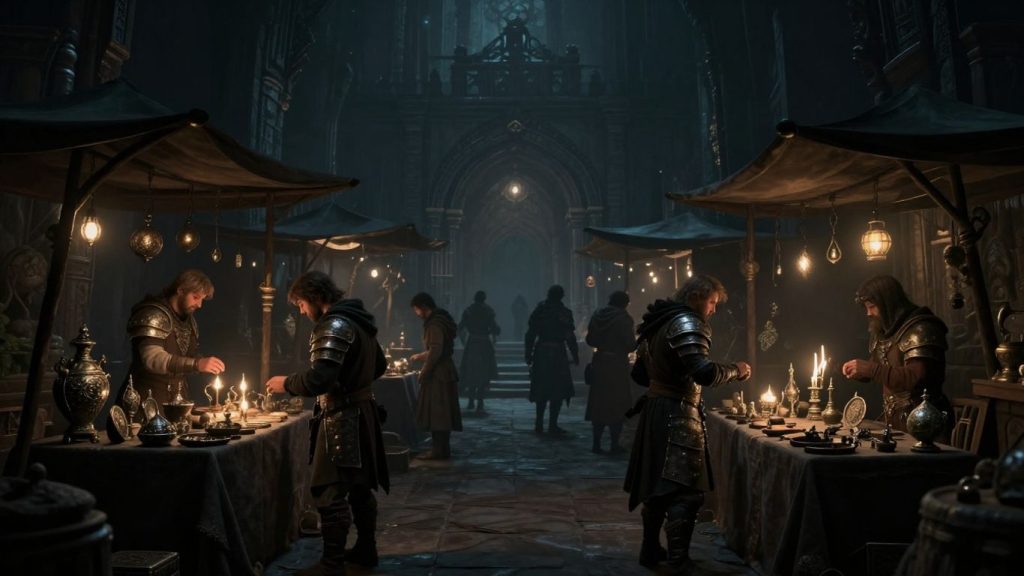
Hey everyone, welcome to Sanctuary! If you’re looking to get your character geared up in Diablo 4, there are a few ways to go about it. You can grind for loot, you can craft, or you can trade. Trading, or diablo trading as some call it, can really speed things up and help you snag those hard-to-find items. It’s not always straightforward, though, so this guide will walk you through what you can swap, how to find people to trade with, and some smart ways to do it without getting ripped off. Let’s get started!
Key Takeaways
- Understand what items can be traded, like common gear, crafting bits, and some specific Legendary Aspects, while account-bound items are off-limits.
- Find trading partners using the in-game trade chat, dedicated online groups like Discord, or by building a reliable network of friends and guildmates.
- Get smart about diablo trading by researching item values, practicing negotiation, and knowing when to stockpile resources for future demand.
- Stay safe by being wary of deals that seem too good to be true, double-checking trades to prevent item swapping, and avoiding third-party trading sites.
- Focus on trading for specific gear pieces, like Legendary Aspects or weapons with desired stats, to quickly improve your character’s effectiveness for your build.
Understanding What Can Be Traded
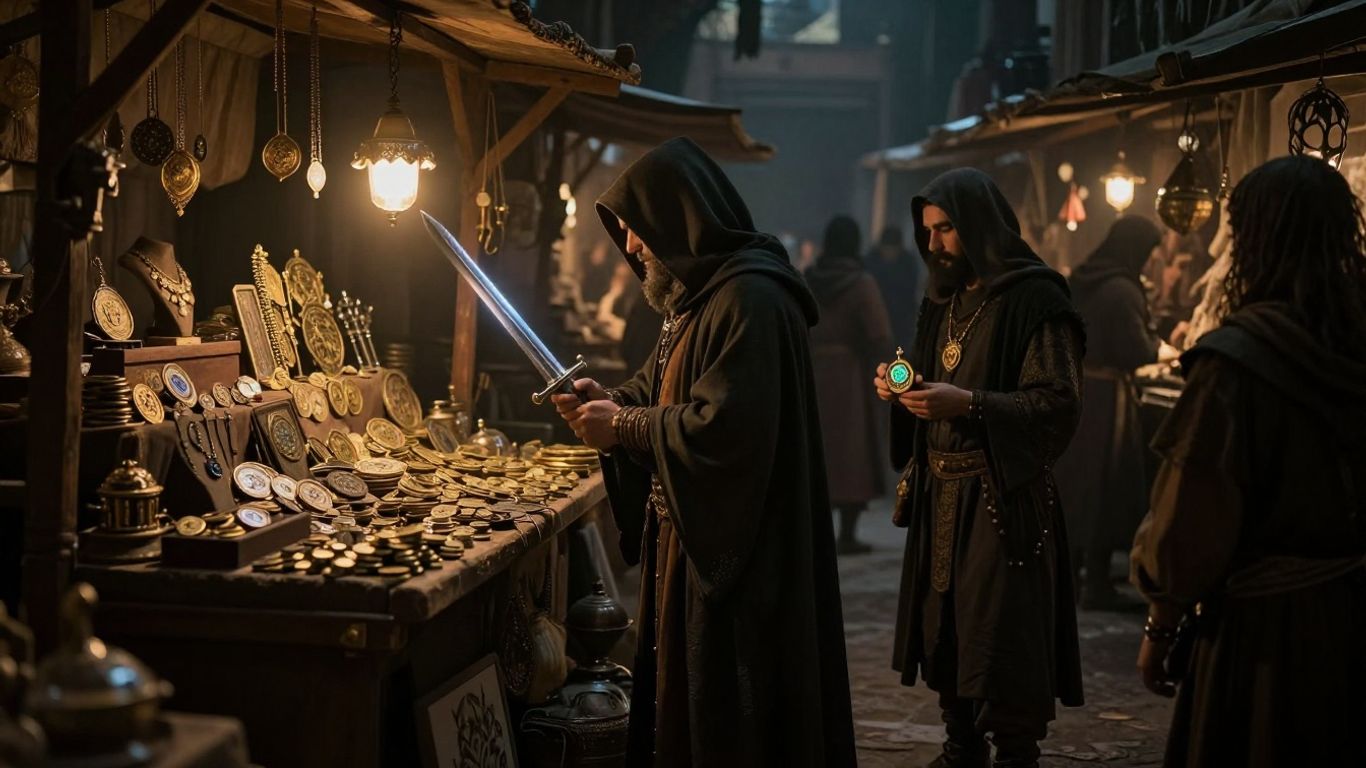
Alright, so you’ve got a pile of loot from your adventures in Sanctuary, and you’re wondering what’s actually worth anything to other players. It can be a bit confusing at first, especially with all the different item types and restrictions. Let’s break down what you can actually put on the market.
Common Items Available For Exchange
Most of the stuff you pick up off the ground can be traded. Think of your everyday gear: Normal, Magic, and Rare items. You’ll get tons of these, and they’re great for helping out friends or gearing up a new character you’re leveling. Plus, all those potions, elixirs, and other one-time use items? Yep, those are fair game too. If you’ve got more healing potions than you know what to do with, someone else probably needs them.
The Role Of Crafting Materials
This is where things get really interesting. All those bits and bobs you collect – the ores, the herbs, the salvaged parts from broken gear – these are super important. People need them to upgrade their existing equipment or to craft entirely new pieces. The market for crafting materials can get pretty wild, especially for the rarer stuff that endgame players are always hunting for. So, don’t just toss those materials aside; they’re a solid way to make some gold or get something you need.
Understanding Aspect Trading Limitations
Now, Aspects are a bit trickier. These are the special modifiers you extract from Legendary items to put on other gear. Here’s the deal: if you got an Aspect from completing a dungeon (the ones in your Codex of Power), you absolutely cannot trade that Aspect or the item it’s on. However, if you found a Legendary item as a random drop, extracted its Aspect, and that original Legendary wasn’t already bound to you, then that extracted Aspect can be traded. It’s a bit of a grey area, but it means there’s a market for specific, powerful Aspects that are hard to find as drops.
It’s important to remember that the most powerful items, like Unique items and most Legendary items as they drop, are usually account-bound. This means you’ll have to earn those yourself through gameplay. The trading system is more about filling in the gaps and acquiring resources rather than getting the absolute best gear handed to you.
Here’s a quick rundown:
- Tradeable:
- Normal, Magic, and Rare items
- Consumables (potions, elixirs)
- Most Crafting Materials
- Gold
- Extracted Aspects from random Legendary drops (if the original item was tradeable)
- Not Tradeable:
- Unique Items
- Legendary Items (as found)
- Items with Enchanted stats
- Aspects from the Codex of Power
- Account-bound Crafting Materials
Locating Trading Partners In Sanctuary
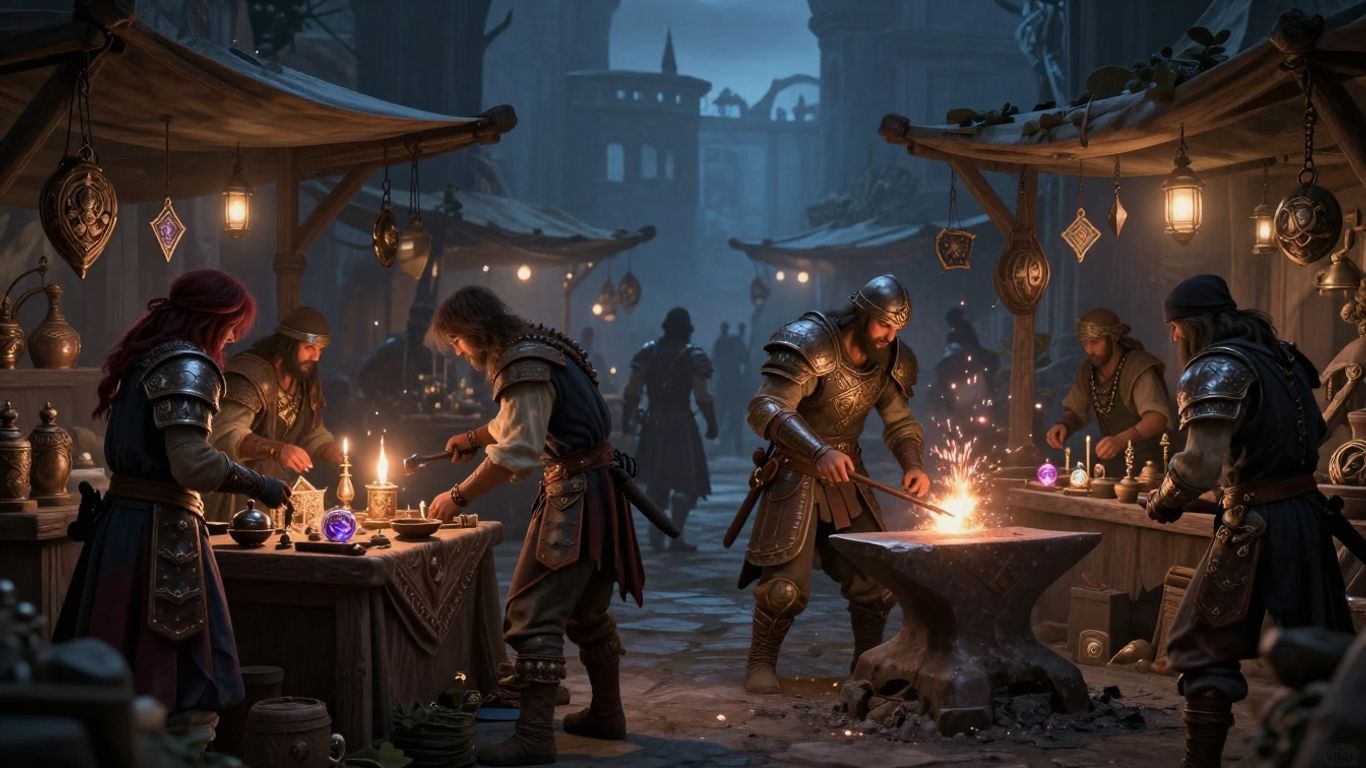
Alright, so you’ve got some loot you want to offload, or maybe you’re hunting for that one specific piece of gear to finish your build. Finding the right person to trade with in Sanctuary can feel like searching for a needle in a haystack, but there are definitely ways to make it happen. It’s not always about just shouting into the void, you know?
Navigating In-Game Trade Chat
This is probably the most direct way to find someone. Every major town has a trade chat channel you can join. It’s pretty straightforward: you type what you’re selling or what you need, and hope someone responds. It can get pretty noisy in there, though. Imagine a marketplace where everyone is shouting at once – that’s trade chat sometimes. You really need to be clear and concise with your messages. Instead of just saying "selling sword," try something like "WTS [Sword Name] – +Crit Damage, +Attack Speed. PST." That way, people know what they’re looking at right away. Patience is key here; you might have to sift through a lot of junk messages to find a good deal or a buyer.
Leveraging Dedicated Online Communities
If trade chat feels too chaotic, there are other places. Lots of players hang out on Discord servers or game forums specifically for Diablo 4 trading. These spots are usually way more organized. You’ll often find channels dedicated to specific item types or even specific aspects. It makes finding what you need, or selling what you have, a lot easier. Plus, these communities often have rules and moderators, which can help cut down on scams and make the whole process feel a bit safer. It’s a good way to connect with people who are serious about trading.
Building a Trusted Network of Allies
Honestly, the best way to trade is with people you know and trust. This means building up a network of friends or guildmates who are also into trading. When you trade with someone you’ve played with before, you have a better idea of whether they’re reliable. You can team up for dungeons, share resources, and help each other out with gear. If you join a guild that’s active and has a trading focus, you’ll find that people are more willing to help each other out. It just feels more secure than dealing with random strangers all the time.
Trading with people you know reduces the risk of scams and often leads to better deals because you’re building a relationship, not just making a one-off transaction. It’s about community as much as it is about loot.
Mastering Diablo Trading Strategies
Alright, so you’ve figured out what you can actually trade and where to find people to trade with. Now comes the fun part: actually making smart trades. It’s not just about slapping an item up for sale and hoping for the best. You gotta have a bit of a plan, you know? Think of it like this: you wouldn’t go into a boss fight without knowing your skills, right? Trading is kind of the same. A little bit of research and some savvy moves can make a huge difference in how much gold you make and how quickly you get that gear you’re after.
Researching Market Value And Demand
Before you even think about listing something, you need to know what it’s actually worth. Prices change, man. What was hot last week might be yesterday’s news. Keep an eye on what people are actually buying and selling. Are certain legendary aspects suddenly super popular because of a new build guide? Is everyone looking for specific weapon affixes to push higher Nightmare Dungeons? These are the questions you gotta ask.
Here’s a quick way to get a feel for things:
- Watch Trade Chat: See what items are being advertised and what prices are being asked. Don’t just look at the first offer; see a few to get a range.
- Check Online Communities: Discord servers and forums dedicated to Diablo 4 trading are goldmines. People often post price checks or discuss market trends.
- Look at Build Guides: If a particular build is getting a lot of attention, the items needed for it will likely be in high demand.
Understanding what’s hot and what’s not is half the battle. Don’t just guess; do a little digging. It saves you from selling something for way less than it’s worth or trying to sell junk for a fortune.
Effective Negotiation Tactics
So, you found a buyer or a seller. Now what? Don’t just accept the first offer unless it’s exactly what you wanted. Negotiation is key. Be polite, be reasonable, but also know your bottom line.
- Start Reasonably: If you’re selling, don’t ask for the moon, but don’t give it away either. If you’re buying, make an offer that’s fair but leaves a little room for them to counter.
- Highlight the Positives: If you’re selling, mention the great stats or the rare aspect. If you’re buying, you can gently point out if an item isn’t perfect for your needs.
- Be Prepared to Walk Away: Sometimes, you just won’t agree on a price. That’s okay. There will be other trades. Don’t get stuck on one deal if it’s not working out.
Strategic Resource Stockpiling
This is where you can really get ahead. Think about what players will need in the future. Are there crafting materials that are always in short supply? Are there certain types of gear that will be useful for upcoming content or popular builds?
- Gather Everything: Don’t be too picky when you’re out farming. Grab those common crafting materials, salvageable gear, and anything else that looks like it might be useful later.
- Anticipate Demand: If you hear rumors about a new patch or a popular build that uses specific items, start stocking up on those items or the materials needed to craft them.
- Sell When It’s Hot: The best time to sell is when everyone wants what you have. This might be right after a major update, during peak play hours, or when a new meta build emerges. Conversely, try to buy when prices are lower, like during off-peak times.
It takes a bit of foresight, but stockpiling the right things can turn a tidy profit. You’re basically playing the market, and a little planning goes a long way.
Avoiding Scams And Pitfalls
Alright, let’s talk about the shady side of trading in Sanctuary. It’s not all sunshine and legendary drops; some folks are out there trying to pull a fast one. You gotta keep your wits about you, or you’ll end up with a pocketful of nothing and a whole lot of regret.
Recognizing Too-Good-To-Be-True Offers
If someone’s offering you a perfectly rolled Uber Unique for a handful of gold, or a stack of forgotten souls for a single gem, your scam alarm should be blaring. Nobody is giving away top-tier gear for pennies unless they’re trying to trick you. It’s like finding a dragon’s hoard unguarded – it just doesn’t happen. Always question offers that seem way out of line with what you know items are worth. A quick check on community forums or trade chat can usually confirm if an offer is fishy.
Safeguarding Against Item Swapping
This one’s a classic. The scammer agrees to trade you a great item, but right before you hit accept, they quickly swap it out for something that looks similar but is actually junk. Maybe it’s a common item with a similar name or a legendary with terrible stats. Always, always take a second to look at the item icon and the stats in the trade window before you click ‘accept’. Don’t let them rush you. It’s better to lose a potential trade than to lose your hard-earned gear.
The Dangers Of Third-Party Trading Sites
Look, I get it. Sometimes you want to browse a huge marketplace, and these external sites can seem convenient. However, they’re often unregulated and can be crawling with scammers. Plus, Blizzard doesn’t look kindly on real-money trading, and using these sites could even put your account at risk. It’s generally safer to stick to in-game trading or trusted community hubs. If you do decide to check out these external markets, do your homework first and be extremely cautious. You can find some helpful advice on secure trading practices on Diablo 2 Resurrected marketplaces.
Trading outside the game, especially for real money, is a risky business. It bypasses any in-game protections and can lead to account bans or outright theft. Stick to what the game provides or what your trusted guildmates recommend.
Acquiring Specific Build Components
Sometimes, just grinding for hours on end for that one perfect piece of gear feels like a lost cause, right? That’s where trading really shines, especially when you’re trying to nail down a specific build. Instead of relying solely on luck, you can actively seek out the exact items that will make your character sing.
Identifying Essential Legendary Aspects
Legendary Aspects are the secret sauce for many powerful builds. They modify your skills in significant ways, and finding the right ones can be a game-changer. Remember, not all Aspects are created equal when it comes to trading. Aspects you extract from Legendary items that dropped naturally (and weren’t account-bound) are usually fair game. However, Aspects learned from the Codex of Power or those imprinted onto items are generally not tradable. Always double-check the source of an Aspect before you try to trade for it or sell it.
- Naturally Dropped Aspects: These are your prime targets for trading. They come from random Legendary drops and can be extracted for trade.
- Codex of Power Aspects: These are learned from dungeons and are permanently bound to your account. They cannot be traded.
- Imprinted Aspects: Once an Aspect (even a tradable one) is imprinted onto an item, that item and its Aspect become bound.
Seeking Optimal Weapon Affixes
Beyond Aspects, the specific stats, or affixes, on your weapons and armor are just as important. You might find a weapon with a great base damage, but if it’s missing critical hit chance or resource generation, it might not fit your build. Trading allows you to bypass the RNG (random number generator) frustration and find gear with the exact affixes you need.
| Stat Category | Desired Affixes (Example) | Importance for Build | Notes |
|---|---|---|---|
| Primary Weapon | +Critical Strike Damage | High | Boosts damage significantly. |
| +Vulnerable Damage | High | Amplifies damage against vulnerable foes. | |
| +Resource Generation | Medium | Helps maintain skill usage. | |
| Armor Piece (Helm) | +Cooldown Reduction | High | Faster skill rotation. |
| +Maximum Life | Medium | Survivability. |
Accelerating Character Power Through Trade
Honestly, trying to farm every single piece of gear for a top-tier build can take ages. Trading offers a shortcut. By focusing your efforts on acquiring key pieces through trade, you can significantly speed up your character’s progression and start tackling harder content much sooner. It’s about being smart with your time and resources, using the player economy to your advantage.
Trading isn’t just about getting rid of junk; it’s a strategic tool. By understanding what others need and what you can offer, you can acquire the specific components that will push your character from good to great, often much faster than relying on drops alone.
Don’t be afraid to put yourself out there and see what’s available. You might be surprised at how quickly you can assemble that dream build.
Wrapping Up Your Trading Journey
So, that’s pretty much the rundown on trading in Diablo 4. It’s not always straightforward, and yeah, sometimes you’ll get a bad deal or run into someone shady. But honestly, when you nail a good trade and get that perfect piece of gear you’ve been hunting for, it feels pretty great. Just remember to keep your wits about you, stick to safer trading methods like in-game chat or trusted communities, and don’t be afraid to walk away if a deal feels off. Building up a good group of friends to trade with makes a huge difference too. Now get out there and see what deals you can find!
Frequently Asked Questions
What kinds of items can I trade with other players in Diablo 4?
You can trade common items like weapons and armor, crafting supplies such as ores and herbs, and even gold. Some special magical items called ‘Aspects’ can also be traded, but only if you found them as drops and didn’t learn them from a dungeon first. Basically, most regular loot you find can be traded, but the super powerful, unique items are usually stuck with your account.
How do I find people to trade with?
The easiest way is to use the in-game ‘Trade Chat’ in towns, but it can get crowded. Many players also join online groups like Discord servers or game forums that have special sections for trading. Building a group of friends or guildmates you trust is also a great and safe way to trade items.
Are there any items I absolutely cannot trade?
Yes, the most powerful and unique items in the game are usually tied to your account and cannot be traded. This is to make sure players earn their best gear by playing the game, not by buying it with real money. Also, things like ‘Grim Favors’ cannot be traded at all.
How can I make sure I’m getting a fair deal when trading?
It’s smart to check what similar items are selling for before you buy or sell. Look at the Trade Chat and online communities to see prices. When you’re negotiating, be polite and know what you’re willing to pay or accept. Don’t be afraid to walk away if the deal isn’t good.
What should I watch out for to avoid getting scammed?
Be very careful if an offer sounds too good to be true – it probably is! Never trade outside of the game’s official system, and always double-check the item you’re getting before you accept. Watch out for tricks like item swapping, where someone might try to switch the item at the last second. Also, be extremely cautious with third-party trading websites, as they can be risky and might even get you banned.
Can trading help me build my character faster?
Definitely! Trading is a super helpful way to get the exact items or special powers (‘Aspects’) you need for your character’s build. Instead of spending hours trying to find that one perfect piece, you can often trade for it. Knowing what items are popular for strong character builds can help you find what you need quickly and make your character much stronger.