The world of online trading can feel like a maze, and many people turn to places like Reddit to figure things out. When it comes to Interactive Brokers, there’s a lot of chatter on Reddit. People share their wins, their losses, and pretty much everything in between. This article takes a look at what users are actually saying about using Interactive Brokers, especially when it comes to more complex stuff like algorithmic trading and different strategies. We’ll sort through the discussions to get a clearer picture of what people are experiencing.
Key Takeaways
- Many users on interactive brokers reddit discuss their experiences with algorithmic trading, often highlighting both potential profits and significant risks. Some warn that it’s not for beginners and can be emotionally taxing.
- The Interactive Brokers platform itself gets feedback on its features and user interface, with users comparing it to other brokers and discussing the value of its paper trading account for practice.
- Discussions frequently touch upon the difficulty of achieving consistent profitability, with many acknowledging the role of market volatility and the influence of larger market players.
- Developing and testing trading algorithms is a common topic, with users sharing methods that involve technical indicators, machine learning, and analyzing market data.
- The psychological aspect of trading is a recurring theme, with users emphasizing the importance of managing emotions, learning from both successes and failures, and heeding community advice.
Navigating Interactive Brokers Reddit Discussions
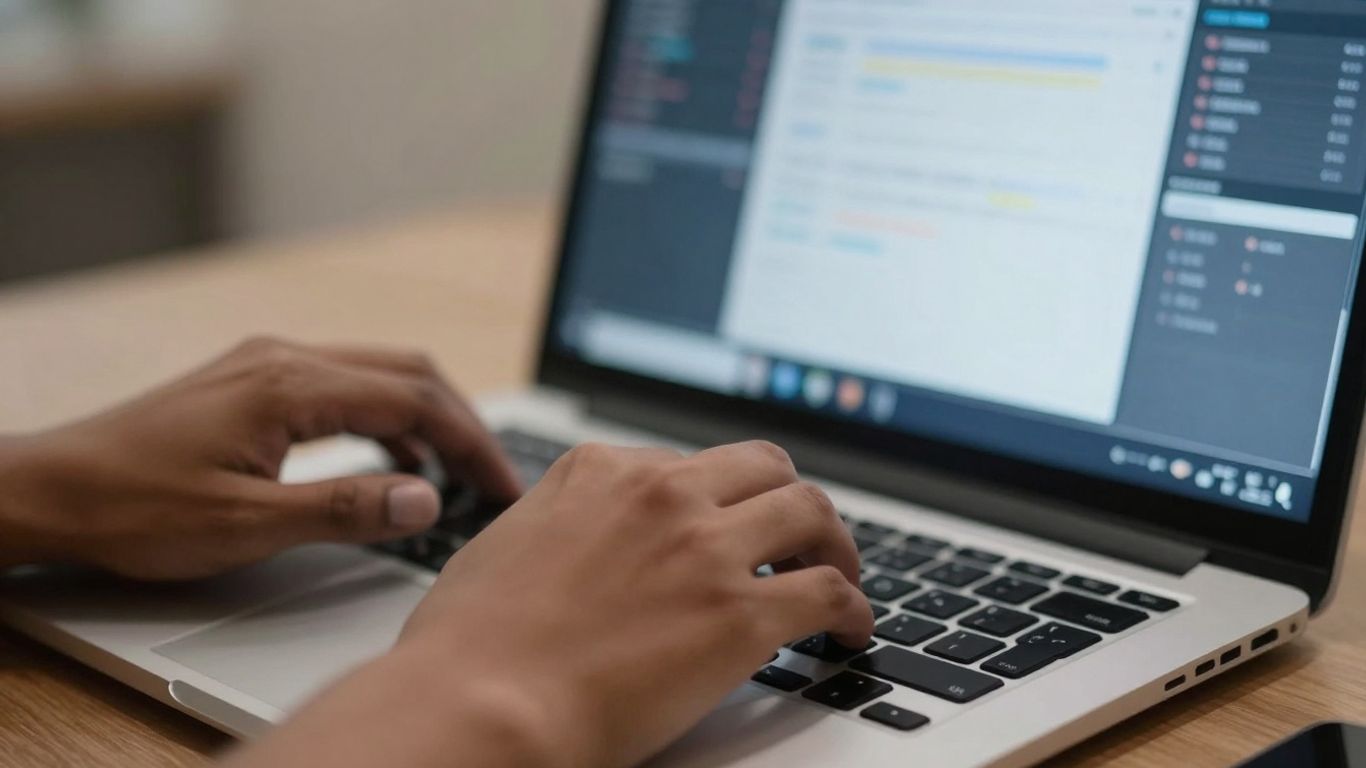
The Interactive Brokers subreddit is a pretty active place, especially if you’re looking to see what actual users are saying about their experiences. It’s not just about the official documentation or marketing; it’s where people share the nitty-gritty details of their trading journeys.
Common Themes in User Experiences
When you start scrolling through, a few topics pop up again and again. People often talk about the learning curve, which can be steep for newcomers. There’s a lot of discussion around the platform’s complexity, but also its power once you get the hang of it. Many users appreciate the wide range of markets and instruments available, something you don’t always find elsewhere. On the flip side, some find the sheer number of options overwhelming at first.
- Platform learning curve: Many posts detail the initial struggle and eventual mastery of IBKR’s tools.
- Cost-effectiveness: Discussions frequently compare IBKR’s fees and margin rates to other brokers, often favoring IBKR for active traders.
- API and automation: A significant portion of users are interested in or actively using the API for automated trading, sharing code snippets and troubleshooting.
- Customer support: Experiences with customer service vary, with some users reporting quick resolutions and others expressing frustration.
It’s easy to get lost in the sheer volume of information and features IBKR provides. Many users find that focusing on one or two key areas, like a specific trading strategy or a particular platform feature, helps them get started without feeling completely swamped.
Seeking Advice and Sharing Strategies
Beyond just sharing experiences, the subreddit is a go-to spot for asking questions and getting advice. Whether someone is trying to figure out how to set up a specific order type, understand a complex financial product, or troubleshoot a trading algorithm, there’s usually someone who has been there and can offer guidance. People also share their trading strategies, though often with a healthy dose of caution. You’ll see discussions about:
- Developing trading ideas: Users brainstorm potential strategies, sometimes based on market news or technical analysis.
- Backtesting and paper trading: Many ask for advice on how to effectively test strategies before risking real money, often mentioning IBKR’s paper trading account.
- Risk management: Discussions often touch upon how to manage risk, set stop-losses, and avoid common trading pitfalls.
- Specific market analysis: Users might post charts or data, asking for opinions on potential market movements or trade setups.
The collective knowledge here can be surprisingly useful, but it’s always wise to take any advice with a grain of salt and do your own due diligence. Not every strategy shared will work for everyone, and what works today might not work tomorrow. It’s a dynamic environment, and the discussions reflect that.
Algorithmic Trading on Interactive Brokers
User Experiences with Algo Trading
Lots of folks on Reddit talk about trying their hand at algorithmic trading with Interactive Brokers. It’s a big topic, and the experiences shared are pretty varied. Some users report success, even developing complex systems using Python and cloud services like AWS to run their bots. They often mention the importance of a robust pipeline, from data collection and backtesting to the actual trading execution. Others, however, have found it to be a steep learning curve with significant financial losses. A common thread is the initial optimism followed by the harsh reality of market dynamics and the sheer difficulty of consistently outperforming.
- Building the system: Many users detail the process of coding their algorithms, often in languages like Python, and integrating them with IB’s API.
- Testing and refinement: The necessity of thorough backtesting and paper trading is frequently highlighted before risking real capital.
- Unexpected outcomes: Some algorithms that looked great on paper failed in live trading due to unforeseen market conditions or bugs.
Challenges and Pitfalls of Algorithmic Strategies
When you get into algorithmic trading, it’s not just about writing code. There are a bunch of tricky parts that can trip you up. One big issue is that strategies that work with small amounts of money might not scale up. As you try to trade more, your own actions can start to move the market, which messes with your results. Also, the fees and the speed at which big players can trade are tough to beat. It seems like many home traders focus on strategies that big firms might overlook because they aren’t large enough to move the market significantly.
The psychological aspect of algorithmic trading cannot be overstated. Even with a seemingly perfect algorithm, the human element of doubt, impatience, or greed can lead to premature trade exits or overrides, ultimately harming performance.
Profitability and Risk in Automated Trading
Making money with algorithmic trading is definitely possible, but it’s far from guaranteed. Some users share stories of profitability, often emphasizing that their strategies are not high-frequency but rather longer-term or based on specific market inefficiencies. However, many also point to statistics, like those from Interactive Brokers itself, showing that a significant portion of traders, especially in markets like Forex, are not profitable. The risk is always there, and it’s amplified when you’re dealing with automated systems where errors can happen quickly and at scale. It’s a constant balancing act between potential gains and the ever-present risk of loss.
Real-World Trading Strategies and Insights
Developing and Testing Trading Algorithms
Lots of folks on Reddit talk about building their own trading systems. It’s not just about having a cool idea; it’s about putting it through its paces. Many users share that they start by coding up a strategy, then run it through historical data to see how it would have performed. This backtesting phase is super important. You’re looking for consistent results, not just a few lucky wins. Some people even build their own software to help with this, trying to automate the whole process from idea to testing.
- Start with a clear hypothesis: What market inefficiency are you trying to capture?
- Gather quality data: Ensure your historical data is clean and representative of the period you’re testing.
- Define your entry and exit rules precisely: Ambiguity here leads to unreliable backtests.
- Consider transaction costs and slippage: These can eat into profits quickly in live trading.
Leveraging Market Data and Technical Indicators
When people discuss strategies, technical indicators often come up. Things like moving averages, RSI, or MACD are common tools. Users share how they combine these indicators, or even build custom ones, to generate trading signals. The trick, many say, is not just using the indicators but understanding what they actually mean and how they behave in different market conditions. Some users are also looking at alternative data sources, like news sentiment or Google Trends, to find an edge.
The real challenge isn’t finding a signal, it’s finding one that consistently works over time and across different market environments. What worked last year might not work today.
The Role of Machine Learning in Trading
Machine learning (ML) is a hot topic. Some users are experimenting with ML models to find patterns in data that humans might miss. This could involve anything from simple regression models to more complex neural networks. The idea is that ML can adapt to changing market conditions. However, it’s not a magic bullet. Building and training these models takes a lot of data and computational power, and there’s always the risk of overfitting, where the model performs great on past data but fails in live trading. Some users share their ML projects on platforms like GitHub, showing how they’re trying to make their bots learn from past trades.
User Experiences with Interactive Brokers Platform
When folks talk about using Interactive Brokers (IBKR) on Reddit, the platform itself comes up a lot. It’s not always a simple "good" or "bad" – people have a whole range of experiences, and it really depends on what you’re trying to do.
Paper Trading vs. Live Trading Experiences
One of the most common points is the difference between paper trading and actually putting real money on the line. IBKR offers a paper trading account, which is a big plus for testing strategies. Many users emphasize that paper trading is absolutely not the same as live trading. It’s a different ballgame entirely. What looks good on paper can feel completely different when real money is involved, and emotions start to play a role.
- Learning Curve: Paper trading helps you get familiar with the platform’s mechanics without financial risk.
- Emotional Disconnect: It’s easy to be bold with fake money, but real losses (or gains) bring a psychological element that paper trading can’t replicate.
- Execution Differences: While IBKR is known for good execution, the simulated environment might not perfectly mirror real-time market conditions and slippage.
Some users share stories of losing money because they jumped into live trading too soon, without enough real-world practice. Others found that even after extensive paper trading, the stress of live trading led them to second-guess their algorithms or exit trades prematurely.
The transition from simulated trades to real capital is often where many traders find their biggest challenges. It’s not just about the numbers; it’s about managing the mental pressure that comes with risking actual money.
Platform Features and User Interface Feedback
IBKR’s platform, particularly Trader Workstation (TWS), is powerful but can be intimidating for newcomers. Feedback often highlights its depth and customization options. Users appreciate the ability to route orders in different ways, which is a key feature for order execution. However, the sheer number of features can be overwhelming.
- Customization: TWS allows for a high degree of personalization, from watchlists to order entry layouts.
- Complexity: For beginners, the interface can feel cluttered and difficult to navigate initially.
- Data Feeds: Access to various data feeds is generally seen as a positive, though costs can add up.
Some users mention that while the platform is robust, the user interface could be more intuitive. Others defend it, stating that once you learn it, it’s hard to go back to simpler platforms because you miss the advanced tools.
Comparing Interactive Brokers to Other Platforms
When IBKR is compared to other brokers, the discussion often revolves around fees, platform capabilities, and available markets. IBKR usually comes out ahead for active traders and those dealing with more complex instruments due to its competitive fees and extensive market access. However, platforms like Robinhood or Webull are often mentioned as simpler alternatives for beginners, though they typically lack the advanced features and global reach of IBKR. Some users find that while IBKR offers more control, platforms with a more streamlined design might be better for casual investors. The accuracy of tax documents for international users has also been a point of discussion.
Profitability and Market Dynamics
So, let’s talk about actually making money in the markets, and what makes the whole thing tick. It’s a topic that comes up a lot on Reddit, and honestly, it’s not as simple as just picking stocks. Many users discuss how markets are essentially a zero-sum game, meaning for someone to win, someone else has to lose. This is especially true for short-term trading, whether it’s manual or automated.
Discussions on Achieving Trading Profits
When people talk about making consistent profits, it often boils down to a few key ideas. It’s not just about luck, though luck definitely plays a part. Many successful traders, especially those using algorithms, focus on finding small edges and exploiting them repeatedly. Think of it like a casino – each individual bet might be small, but over thousands of bets, the house wins. Algorithmic traders try to be that house, finding tiny statistical advantages. Some users share that they’ve seen success by focusing on high-liquidity assets like major forex pairs or popular stocks, trading during peak hours, and using tight stop-loss orders to manage risk effectively. It’s a grind, not a get-rich-quick scheme.
- Finding a statistical edge: This could be anything from a slight price inefficiency to a predictable pattern.
- Managing risk: Using stop-losses and position sizing to protect capital is non-negotiable.
- Consistency: Executing the strategy flawlessly, over and over, regardless of emotions.
- Adapting: Markets change, so strategies need to evolve too.
The idea that you can just buy stocks you like and expect long-term gains is often contrasted with the reality of short-term trading. While long-term investing can be straightforward, actively trading, especially with algorithms, requires a different mindset. It’s about playing a game with specific rules and trying to find an advantage within those rules.
Understanding Market Volatility and Risk
Volatility is a double-edged sword. It creates opportunities, but it also magnifies losses. On Reddit, you’ll see a lot of talk about how implied volatility (IV) in options trading is often overestimated. This is where some traders try to profit – by selling options when IV is high, expecting it to drop. It’s a complex dance, and understanding the pricing models behind options is key. It’s not just about guessing if a stock will go up or down, but about guessing how much it will move, and when. This is where strategies like volatility trading come into play, often involving hedging to manage the inherent risks. For those looking to get a handle on this, resources on volatility trading can be quite informative.
The Impact of Market Makers and Large Institutions
It’s easy to feel like a small fish in a big pond when you’re trading against the big players. Market makers and large institutions have resources and speed that retail traders can only dream of. They often operate on much tighter spreads and can execute trades at speeds that are practically instantaneous. Some discussions touch on how sophisticated algorithmic traders can sometimes compete by finding inefficiencies that these larger players might overlook, or by having a unique technological advantage. However, for most, trying to directly compete with high-frequency trading firms is a losing battle. The consensus often leans towards finding a niche or strategy that doesn’t directly pit you against the giants, or accepting that you’re playing a different game altogether.
Community Insights and Trading Psychology
The Importance of Trading Psychology
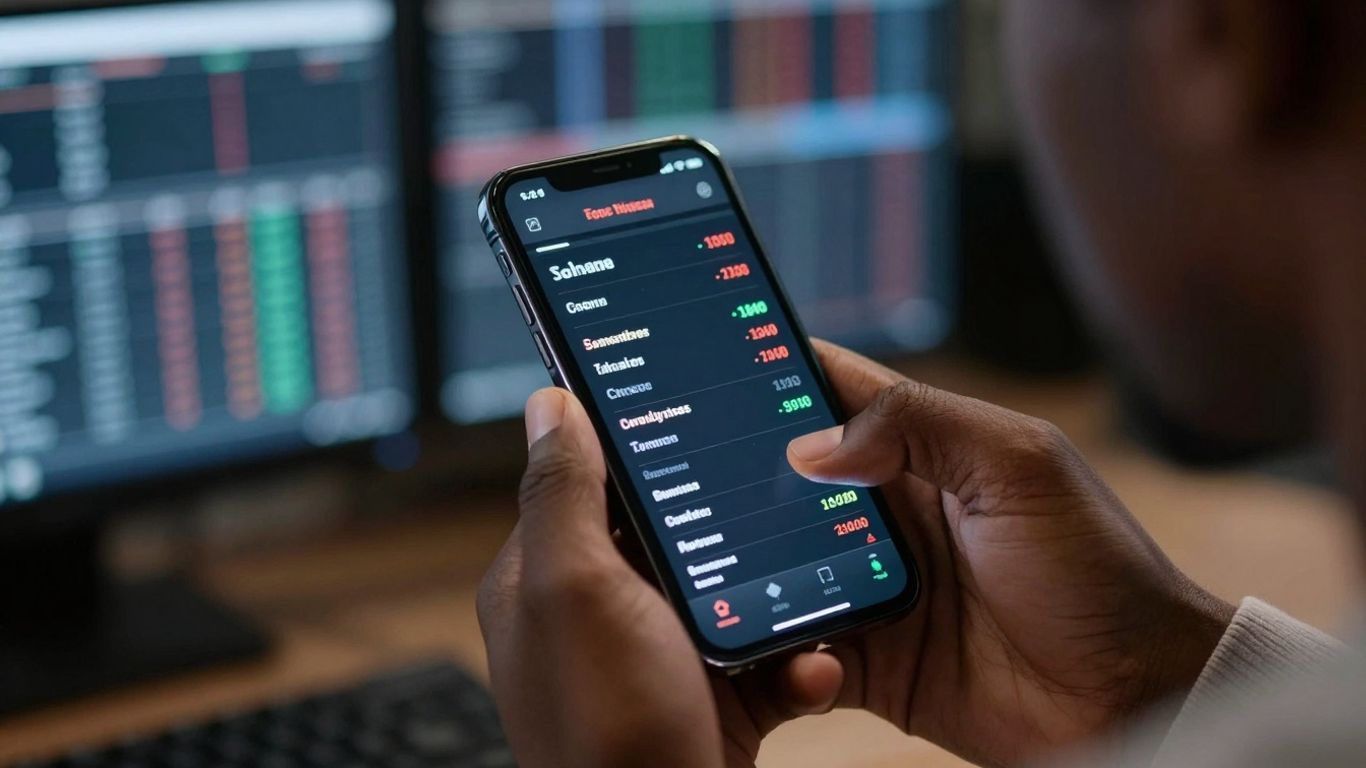
Lots of folks on Reddit talk about the technical side of trading – the algorithms, the indicators, the platforms. But what often gets overlooked, or at least downplayed, is the mental game. It’s easy to get caught up in the charts and the code, but how you handle the ups and downs, the wins and the losses, can make or break your trading career. Many users share stories about how their emotions got the better of them, leading to impulsive decisions that cost them money. Mastering your own mind is just as important as mastering your trading strategy.
Sharing Successes and Failures
This is where the Interactive Brokers Reddit community really shines, in my opinion. People aren’t always afraid to admit when they’ve messed up. You’ll find threads where users detail a trading strategy that went south, explaining exactly what went wrong and what they learned. Conversely, there are also posts celebrating wins, but often with a healthy dose of realism about the risks involved.
- Learning from Mistakes: Detailed breakdowns of losing trades, focusing on the psychological triggers and strategic errors.
- Celebrating Wins (with caution): Sharing profitable trades, but usually accompanied by a disclaimer about market conditions and the role of luck.
- Strategy Evolution: How past failures or successes have led users to refine or completely change their trading approaches.
Community Advice and Cautionary Tales
Beyond personal experiences, the community offers a lot of collective wisdom. You’ll see experienced traders giving advice to newcomers, often emphasizing patience and risk management. There are also plenty of cautionary tales about chasing quick profits, falling for scams, or over-leveraging. It’s a mixed bag, for sure, but the overall sentiment leans towards encouraging a more disciplined and thoughtful approach to trading.
It’s easy to get excited when you see someone posting about making big money. But remember, for every success story you read online, there are likely many more people who lost money and didn’t post about it. The market is tough, and it doesn’t care about your feelings or your plans. Stick to what you know, manage your risk, and don’t let greed or fear drive your decisions.
Wrapping It Up
So, after digging through what folks are saying about Interactive Brokers on Reddit, it’s pretty clear there’s a whole mix of experiences out there. Some users seem to be doing really well, sharing stories about successful trading strategies and even building their own tools. Others have run into trouble, losing money or finding the whole process way more complicated than they expected. It seems like a lot of the talk circles back to the idea that making consistent money in trading, especially with automated strategies, is tough. It takes a lot of work, learning, and sometimes, a bit of luck. While some find success, it’s definitely not a guaranteed path to riches, and many warn about the risks involved. For anyone looking to jump in, it seems like doing your homework and starting small is the way to go, based on what people are sharing online.
Frequently Asked Questions
Is algorithmic trading on Interactive Brokers a good idea?
Some people find success with algorithmic trading on Interactive Brokers, but many users on Reddit share that it’s quite challenging. A lot of traders lose money, especially when starting out. It’s often suggested to start with a very small amount of money if you decide to try it and grow slowly. Many also mention that paper trading first is crucial.
What are the biggest challenges when using trading bots?
Users often point out that making money with trading bots is tough. Challenges include dealing with high market changes (volatility), making sure your bot’s code is perfect to avoid big losses, and the emotional stress of managing real money. Transaction fees and the speed of trades (latency) can also eat into profits.
Can you make real money trading stocks or crypto?
Yes, some people do make money, but it’s not easy. Many discussions show that most traders, especially in areas like Forex, don’t make a profit. Success often comes from hard work, smart strategies, and sometimes a bit of luck. It’s important to remember that past success doesn’t guarantee future results.
What is paper trading and why is it important?
Paper trading is like practicing with fake money in a live market. Interactive Brokers offers this feature. It’s super important because it lets you test your trading ideas and bots without risking your actual cash. Many users stress that what works in paper trading might feel very different when real money is involved.
How do people develop their trading strategies?
People on Reddit share that they often start by looking at historical data and market trends. Some create their own computer programs (algorithms) to test ideas. Others might follow advice from successful traders or use tools that analyze market information. Learning and testing are key parts of developing a strategy.
Is it better to trade manually or use an automated system?
There’s no single answer. Manual trading allows for more flexibility and emotional control, while automated trading (bots) can execute strategies quickly and without emotion. Many traders use a mix of both. Some find bots fun to build but stressful to run with real money, preferring manual trading for longer-term plans.