
Thinking about getting into the trucking business but don’t want to drive? Becoming a freight broker might be your ticket. It’s a way to be part of the action, connecting companies that need stuff moved with the trucks that can move it. You don’t need to own a single truck to do this. It sounds pretty straightforward, but like anything, there’s a process to follow. This guide will walk you through how to become a broker in trucking, even if you’re starting from zero.
Key Takeaways
- To start as a freight broker, you need to understand how the trucking world works. This means learning about shippers, carriers, and the general flow of goods.
- Setting up your business legally is a big step. This includes getting a USDOT number and the right operating authority from the FMCSA.
- You’ll need to build a network. This involves finding reliable truck drivers and carriers, and also building good relationships with the companies that need their freight moved.
- Success in brokering relies on skills like talking to people, negotiating deals, staying organized, and figuring out solutions when problems pop up.
- Using technology, like special software and online load boards, can make running your brokerage much more efficient and help you find more business.
Understanding The Freight Broker Role
What Does a Freight Broker Do?
Basically, a freight broker is the go-between. They connect people who need to ship stuff (shippers) with companies that have trucks to move it (carriers). Think of it like this: you have a package you need to send across the country, but you don’t own a delivery van. A freight broker has a list of all the delivery van owners in your area and knows which ones are available, have the right size van, and are heading in the right direction. They make the deal happen.
They don’t own the trucks; they just know who does and how to get them to move your goods. This means they can help shippers find trucks when they need them, often at better prices than if the shipper tried to find them alone. For carriers, brokers can fill up their empty trucks, making sure they’re not driving around with nothing to haul.
Key Responsibilities of a Broker
So, what exactly does a freight broker spend their day doing? It’s more than just making a phone call. Here’s a breakdown:
- Finding Loads and Carriers: This is the core. Brokers are constantly looking for shipments that need to be moved and then finding reliable carriers to pick them up and deliver them. It’s a constant matching game.
- Negotiating Rates: Brokers have to be good at talking prices. They negotiate with shippers to get the best rate for moving the freight and then negotiate with carriers to get the best rate for hauling it. The difference is how they make their money.
- Managing the Shipment: Once a deal is made, the broker stays involved. They track the shipment, make sure it’s on schedule, and handle any problems that pop up along the way. This includes making sure all the paperwork is correct and that everyone involved is communicating.
- Ensuring Compliance: Brokers need to make sure that both the shippers and the carriers are following all the rules and regulations. This means checking that carriers have the right insurance and licenses.
The freight industry is huge, and getting goods from point A to point B involves a lot of moving parts. A good broker simplifies this chaos, acting as a central point of contact and problem-solver.
The Opportunity in Freight Brokering
Why get into this? Well, the trucking industry is massive. Billions of dollars move through it every year. When you become a freight broker, you’re stepping into a field where there’s a constant need for people who can connect shippers with carriers efficiently. It’s a business where you can build something for yourself by solving logistical puzzles for others.
It’s not just about moving boxes; it’s about keeping supply chains running smoothly. Businesses rely on getting their products to customers, and brokers are the grease in that wheel. If you’re organized, good at talking to people, and like figuring things out, there’s a real chance to make a good living in this field. Plus, you don’t need to buy a fleet of trucks to get started, which is a big plus.
Laying The Foundation For Your Brokerage
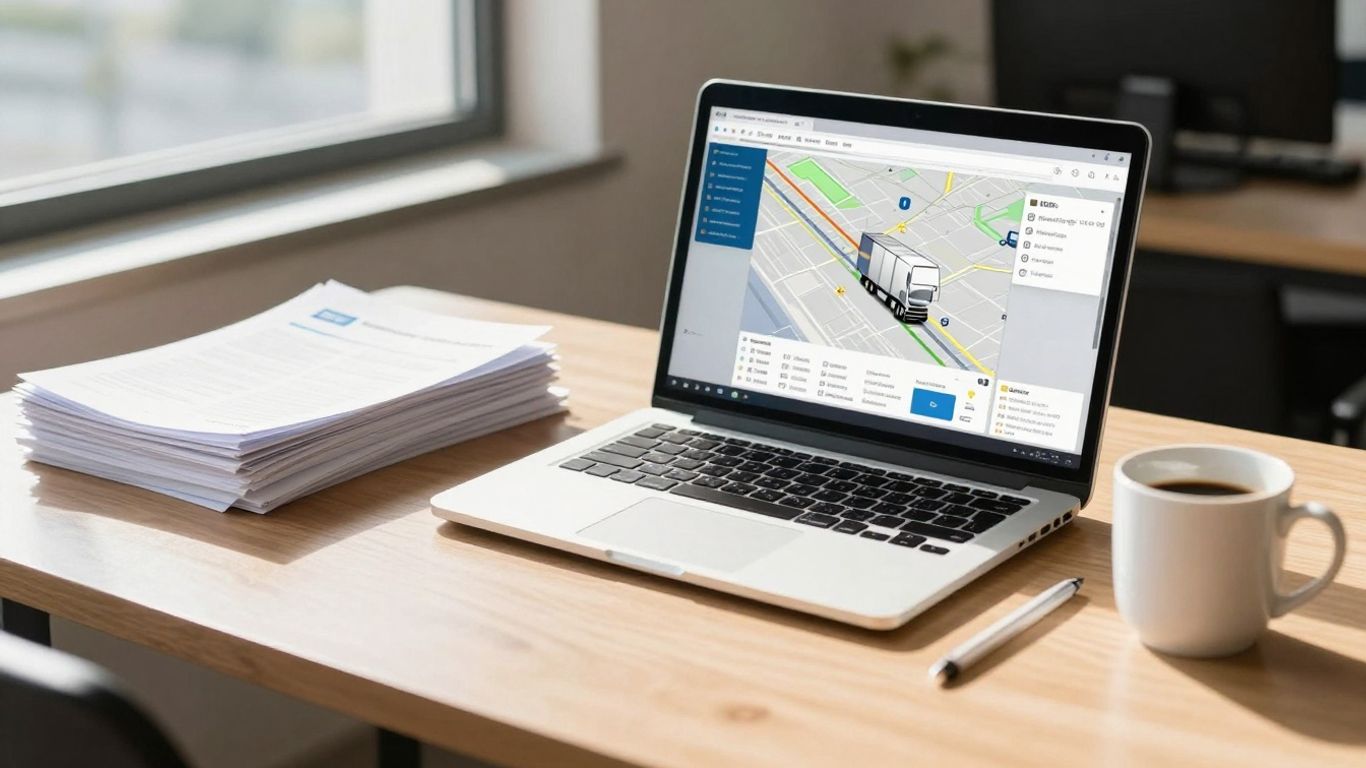
Starting a freight brokerage from scratch means you need to build a solid base before you even think about moving freight. It’s not just about knowing a few truckers; it’s about setting up a real business. This involves getting smart about the industry, planning your moves, and figuring out where you fit in.
Gaining Essential Industry Knowledge
Before you can broker loads, you need to understand how the trucking world actually works. This isn’t just about knowing what a truck is. You need to learn about different types of freight, how routes are planned, and what makes carriers tick. Understanding the flow of goods and the language of logistics is your first big step. Think about it: how can you connect shippers with carriers if you don’t speak their language or know what challenges they face daily? It’s like trying to be a chef without knowing what ingredients do.
- Carrier Operations: Learn about driver hours of service, different truck types (reefers, dry vans, flatbeds), and maintenance needs.
- Shipper Needs: Understand inventory management, delivery windows, and the cost pressures shippers are under.
- Market Dynamics: Keep an eye on fuel prices, seasonal demand shifts, and general economic factors that affect freight rates.
You’ll want to get a handle on how brokers make money, too. It’s not just a simple markup; it involves managing risk, providing a service, and using your network effectively. Transparency about your margins and how you add value will be important later on.
Developing A Comprehensive Business Plan
This is where you map out your entire business. A good plan isn’t just a formality; it’s your roadmap. It forces you to think through every aspect, from your startup costs to how you’ll make money. You’ll need to figure out your initial expenses, like setting up an office (even if it’s home-based), getting necessary software, and covering legal fees. Also, consider how you’ll manage cash flow, especially since you often pay carriers before shippers pay you. This plan will be key if you need to seek financing for your business.
Here’s a quick look at what needs to go in:
- Executive Summary: A brief overview of your business.
- Company Description: What your brokerage is and what it aims to do.
- Market Analysis: Who are your potential customers (shippers) and competitors?
- Organization and Management: Who’s running the show?
- Service or Product Line: What kind of freight will you focus on?
- Marketing and Sales Strategy: How will you get clients?
- Funding Request (if applicable): How much money do you need and why?
- Financial Projections: Your best guess at revenue, expenses, and profit.
Identifying Your Target Niche
Trying to be everything to everyone is a recipe for disaster when you’re starting out. It’s much smarter to focus. What kind of freight do you want to move? Are you interested in temperature-controlled loads, oversized equipment, or maybe just standard dry van shipments? Focusing on a specific industry or type of freight allows you to become an expert in that area. You can build a reputation as the go-to broker for a particular need, which makes it easier to find both shippers and carriers who trust your specialized knowledge. This focused approach helps you stand out in a crowded market.
Navigating Legal And Licensing Requirements
Alright, so you’re ready to get this trucking brokerage off the ground. That’s awesome! But before you start booking loads and making calls, we’ve got to talk about the paperwork. It’s not the most exciting part, I know, but it’s super important. Skipping this stuff can lead to big headaches down the road, and nobody wants that.
Obtaining Your USDOT Number
First things first, you’ll need a USDOT number. Think of it as your company’s social security number in the trucking world. It’s how the Federal Motor Carrier Safety Administration (FMCSA) keeps track of your business. You can get this by registering online through the FMCSA website. It’s a pretty straightforward process, and it’s the first step to getting your official operating authority. This number is used for safety information, so it’s good to have it early on.
Securing Operating Authority
This is where you officially get the green light to operate as a broker. You’ll need to apply for what’s called ‘broker authority’ through the FMCSA’s Unified Registration System. There’s an application fee, and it can take about four to six weeks for everything to get processed and approved. Once approved, you’ll get your MC number. This is the big one that says you’re good to go. You can find more info on applying for broker authority on the FMCSA site.
Understanding Surety Bonds And Trust Funds
Now, this is a biggie. You’re required to have a surety bond, or a trust fund, for at least $75,000. This isn’t necessarily cash you need to have sitting in your bank account right now. Instead, it’s a financial guarantee. It protects shippers and carriers in case you, for some reason, can’t pay them what you owe. You can get a surety bond from an insurance company. They’ll handle the paperwork with the FMCSA. It’s usually an annual cost, but it’s a necessary step to build trust and operate legally.
Here’s a quick rundown of what you’ll need to do:
- Register your business entity (like an LLC or sole proprietorship).
- Apply for your USDOT number.
- Complete the FMCSA’s Unified Registration System for operating authority.
- Secure your $75,000 surety bond or trust fund.
- Designate a process agent in each state you plan to operate in. This person receives legal documents on your behalf.
Getting these legal and licensing requirements sorted out might seem like a lot, but it’s really about setting up your business for success and avoiding trouble. Think of it as building a solid foundation. It’s better to do it right from the start than to deal with fines or shut down later.
Don’t forget to check if your state has any additional requirements, too. Some states might have their own little quirks you need to be aware of. Doing your homework now will save you a ton of stress later on.
Building Your Network Of Partners
Alright, so you’ve got the basics down, and now it’s time to talk about the people you’ll be working with. Think of this like building your own little trucking family. You can’t do this alone, and who you choose to partner with really makes a difference. We’re talking about the carriers who haul the freight and the shippers who need it moved. Getting these relationships right is pretty much the secret sauce to not just surviving, but actually thriving in this business.
Finding And Vetting Reliable Carriers
This is a big one. You need trucks to move loads, right? But not just any trucks. You need good ones. The kind that show up on time, handle the freight with care, and don’t cause a million headaches. So, how do you find these unicorn carriers?
First off, you gotta ask questions. Don’t be shy. Ask potential carrier partners about their safety records, how long they’ve been in business, and what kind of equipment they have. A carrier with a solid safety score and a good track record is way better than one who’s always in the news for the wrong reasons. Also, think about their fleet size. If you’re moving a lot of freight, you’ll need carriers who can handle the volume. But remember, quality over quantity. One really dependable carrier is worth ten flaky ones.
Here’s a quick checklist to keep in mind when you’re talking to carriers:
- Safety Ratings: What’s their CSA score? Are they generally seen as safe operators?
- Experience: How long have they been hauling freight? Do they have experience with the type of goods you’ll be moving?
- Equipment: Do they have the right trucks and trailers for the job? Reefer? Flatbed? Dry van?
- Insurance: Do they have adequate insurance coverage? This is non-negotiable.
- References: Can they provide references from other brokers or shippers they’ve worked with?
Building a strong carrier network isn’t just about finding someone to take a load. It’s about finding partners you can trust to represent your business and deliver on promises. A carrier who consistently performs well reflects positively on you, and a carrier who messes up can damage your reputation before you’ve even built it.
Establishing Strong Shipper Relationships
Now, let’s flip the coin. You need people who need stuff moved. These are your shippers. Some might be huge companies, others might be smaller businesses. The key here is to understand what they need and how you can help them. A good broker acts as a problem-solver for their shippers.
When you first connect with a shipper, listen more than you talk. What are their pain points? Are they struggling with late deliveries? High costs? Lack of communication? Your job is to figure out how your brokerage can be the solution. This means being transparent about your services, your pricing, and your capabilities. Don’t overpromise and underdeliver – that’s a fast track to losing business.
Think about building these relationships like this:
- Understand Their Needs: What are they shipping? Where does it need to go? What are their timelines and budget?
- Offer Solutions: Based on their needs, propose how you can move their freight efficiently and cost-effectively.
- Communicate Consistently: Keep them updated on their shipments. Let them know if there are any potential issues before they become big problems.
- Be Reliable: Follow through on your commitments. If you say you’ll find a truck, find a good one. If you say a load will arrive by Tuesday, make sure it does.
Leveraging Load Boards For Connections
Load boards are like the online classifieds for freight. They’re a super useful tool, especially when you’re starting out. You can find loads that shippers have posted, and you can also find carriers looking for loads. It’s a two-way street.
When you’re using load boards, don’t just grab the first thing you see. Do your homework. Look at the details of the load: the origin, destination, weight, commodity, and rate. Then, check out the carrier who posted it, if they’re looking for a load. Do they have good reviews? Are they in the right area? It takes a bit of digging, but finding the right match on a load board can save you a lot of trouble down the line. It’s also a great way to get a feel for market rates and see what’s moving where. Just remember, load boards are a tool, not the whole strategy. You still need to build those personal relationships.
Essential Skills For Broker Success
Being a freight broker isn’t just about making calls and moving loads. You need a solid set of skills to really make it work and stand out. Think of it like building something; you need the right tools and know-how.
Mastering Negotiation And Communication
This is where the rubber meets the road. You’re the go-between for shippers who need their stuff moved and carriers who have trucks. You’ve got to be able to talk to both sides clearly and get them to agree on terms that work. Good communication means listening as much as talking. You need to understand what the shipper really needs – not just the price, but the timing, the type of freight, and any special handling. Then, you need to find a carrier who can meet those needs and negotiate a rate that leaves a little something for you, too.
- Active Listening: Really hear what the shipper and carrier are saying. Don’t just wait for your turn to talk.
- Clear Explanations: Make sure everyone understands the terms, the pickup and delivery times, and any potential issues.
- Persuasion: Gently guide both parties toward an agreement that benefits everyone involved.
- Problem Solving During Negotiation: If there’s a snag, like a carrier wanting more money, you need to figure out a solution on the fly.
You’ll find that many deals hinge on how well you can present your case and how confidently you can discuss rates and services. It’s a constant back-and-forth, and being able to handle it smoothly makes a huge difference.
Developing Organizational Prowess
Imagine juggling a dozen different shipments at once, each with its own pickup date, delivery window, driver, and paperwork. If you’re not organized, things will fall through the cracks, and that’s a fast way to lose clients and money. You need a system to keep track of everything.
- Tracking Loads: Know where every truck is, every minute of the day.
- Managing Paperwork: Bills of lading, rate confirmations, invoices – they all need to be filed correctly and accessible.
- Scheduling: Keeping track of pickup and delivery appointments is key to avoiding delays.
- Contact Management: Remembering details about your shippers and carriers helps build stronger relationships.
Cultivating Problem-Solving Abilities
Things rarely go exactly as planned in trucking. Trucks break down, weather causes delays, and sometimes freight gets damaged. Your job as a broker is to be the person who fixes these problems before they become major headaches for your clients. You need to think on your feet and come up with solutions quickly.
- Contingency Planning: What’s your backup if the primary carrier has an issue?
- Crisis Management: When a problem arises, stay calm and focus on finding the best possible resolution.
- Root Cause Analysis: After a problem is solved, think about why it happened and how to prevent it in the future.
It’s not always easy, but being the person who can smooth out the bumps in the road is what makes a broker truly valuable. People will remember you for how you handle the tough situations, not just the easy ones.
Managing Your Brokerage Operations
Alright, so you’ve got your authority, your network is growing, and you’re ready to actually run the day-to-day of your trucking brokerage. This is where things get real, and you need to have your ducks in a row. It’s not just about finding loads and trucks anymore; it’s about building a solid business that can handle whatever the road throws at it.
Setting Up Your Office Space
Your office doesn’t need to be fancy, especially when you’re starting out. A quiet corner in your home can work just fine. The main thing is that it’s a space where you can focus without a ton of distractions. You’ll need a reliable computer, a good internet connection, and a phone. Seriously, a decent headset makes a huge difference when you’re on the phone all day. As you grow, you might think about a small office space, but don’t break the bank on it early on. Keep overhead low, remember?
Understanding Financial Management
This is a big one. You need to know where your money is coming from and where it’s going. Keep track of every single transaction. This means:
- Invoicing: Get your invoices out quickly and accurately. Don’t wait around to bill your shippers.
- Payments: Track who owes you money and follow up on overdue invoices. You can’t pay your carriers if your shippers aren’t paying you.
- Carrier Payments: Make sure you’re paying your carriers on time. Happy carriers mean reliable capacity.
- Profit Margins: Understand your gross and net margins on each load. This tells you if you’re actually making money or just moving paper.
It might seem like a lot, but using some simple accounting software can make this way easier. You don’t want to be that broker who goes under because they didn’t manage their cash flow properly.
Finalizing Broker Contracts and Paperwork
Every single load you move needs proper documentation. This protects you, the shipper, and the carrier. You’ll be dealing with:
- Rate Confirmations: This is your agreement with the shipper on the price and details of the load. Make sure it’s signed and clear.
- Bills of Lading (BOLs): This is the receipt for the shipment. It needs to be accurate and accompany the freight.
- Carrier Agreements: Have a standard agreement with your carriers outlining terms and conditions.
- Shipper Agreements: Similar to carrier agreements, but for your clients.
The trucking industry can be unpredictable. Having clear, well-defined contracts and ensuring all paperwork is meticulously handled from the start is your best defense against disputes and financial loss. It shows professionalism and builds trust with both shippers and carriers, which is exactly what you want.
Leveraging Technology For Efficiency
In today’s world, technology isn’t just a nice-to-have; it’s pretty much a requirement if you want to keep up in the trucking business. Relying on old methods will just slow you down and make it harder to find loads or carriers. Smart use of tech can really make your brokerage run smoother and faster.
Utilizing Transportation Management Software
Think of Transportation Management Software (TMS) as your central command center. It helps you manage everything from booking a load to tracking it and handling payments. It’s not just about keeping things organized; it’s about making sure you’re following all the rules and not missing any details.
Here’s what a good TMS can do for you:
- Load Planning: Figure out the best way to move freight, considering cost and time.
- Execution: Book carriers, send out dispatch instructions, and keep an eye on the shipment.
- Tracking: See where your loads are in real-time, so you can update your customers.
- Financials: Manage invoices, payments, and keep your books in order.
- Reporting: Get insights into your business performance to make better decisions.
Using a TMS means less paperwork, fewer mistakes, and happier customers because they get accurate updates.
Exploring Digital Marketing Strategies
Getting your name out there is key. Digital marketing helps you find new shippers and carriers without just relying on word-of-mouth. You can use online ads, social media, and even a professional website to show potential clients what you offer.
Consider these approaches:
- Search Engine Optimization (SEO): Make sure your website shows up when people search for freight brokers in your area.
- Social Media Marketing: Engage with potential clients and carriers on platforms like LinkedIn.
- Content Marketing: Share helpful articles or industry insights on your blog to establish yourself as knowledgeable.
- Email Marketing: Keep in touch with past clients and leads with updates and special offers.
A solid online presence makes you look more professional and accessible.
Implementing Auto-Dialers For Outreach
When you’re trying to connect with a lot of carriers or potential shippers, making calls one by one can take forever. Auto-dialers are tools that automatically dial the next number on your list once you finish a call. This speeds up your cold calling efforts significantly.
Using auto-dialers can dramatically increase the number of contacts you make in a day. This means more opportunities to find loads, secure carriers, and build your business faster. It’s about making your sales efforts more productive.
These tools can help you:
- Increase Call Volume: Make more calls in less time.
- Improve Efficiency: Spend less time dialing and more time talking.
- Track Performance: See how many calls you’re making and the results.
While they might seem a bit impersonal at first, when used correctly, they are a powerful way to expand your reach quickly.
Wrapping It Up
So, you’ve made it through the guide. Starting a freight brokerage from scratch isn’t exactly a walk in the park, but it’s definitely doable. You’ve learned about getting the right paperwork sorted, finding good carriers, and making sure your business plan is solid. Remember, building trust with people is key in this business, and that takes time. Don’t get discouraged if things don’t click right away. Keep learning, stay organized, and focus on providing good service. The trucking world is always moving, and with a bit of grit and smarts, you can find your place in it.
Frequently Asked Questions
What exactly does a freight broker do?
Think of a freight broker as a go-between. They connect people who need to ship goods (shippers) with people who have trucks to move those goods (carriers). Brokers handle the details like finding the right truck, agreeing on a price, and making sure the shipment gets where it needs to go smoothly.
Do I need prior experience to become a freight broker?
Nope! You don’t need to have worked in the trucking industry before. While experience helps, this guide is made for beginners. You can learn everything you need, like how the industry works and how to talk to people, through training and by studying.
What legal stuff do I need to handle?
You’ll need to get a special number for your business called a USDOT number. You also need to get ‘Operating Authority,’ which is like a license to operate. Sometimes, you might also need something called a surety bond or a trust fund, which is like a safety net for your business.
How do I find trucks and shippers to work with?
Building relationships is key! You’ll want to find reliable truck drivers and companies (carriers) and also connect with businesses that need to ship things (shippers). You can use online tools called ‘load boards’ to find loads and trucks, and your network can also be a big help.
What are the most important skills for a freight broker?
Being good at talking to people and figuring out deals (negotiation) is super important. You also need to be organized to keep track of everything and be able to solve problems when they pop up. Understanding how to manage your time and tasks is crucial too.
How can technology help my brokerage business?
Technology can make your job much easier! You can use special software to manage shipments, and digital marketing can help you find new customers online. Tools like auto-dialers can speed up making calls, and load boards help you find loads and trucks quickly.