
Clear goals turn a big idea into a buildable plan. When you know what success looks like, every choice gets easier and faster.
They protect your budget and sanity. With defined targets, you can phase work, compare quotes fairly, and set expectations that everyone understands.

Clarity Aligns Budget, Scope, And Timeline
A written goal turns vague wishes into measurable targets. Instead of saying “make the kitchen nicer,” decide on must-haves like more prep space, brighter task lighting, and durable surfaces. That lets you price real items and sequence work without guesswork.
The same clarity protects your calendar. When you lock scope, trades can order materials, book crews, and commit to dates with fewer surprises. Missed details usually show up as delays, so front-load decisions while lead times are still flexible.
Goals prevent budget creep. If a choice does not serve the objective, it becomes easier to say no or defer it. You can keep a small contingency for unknowns instead of funding endless add-ons.
Avoid Costly Changes And Delays
Late changes are the most expensive kind. Define layout, finishes, and appliance specs early, then stick to them unless safety or code requires a shift. Small edits ripple through deliveries, permits, and crew schedules.
Create a simple decision log. List each selection, the deadline, and who owns it. Ask your builder to flag knock-on effects when you adjust one item so you understand the tradeoffs.
You do not have to plan alone. Start with a vision session to map priorities, then consult a trusted pro like Dreamcatcher Remodeling to validate feasibility and phasing. That guidance reduces rework and turns your plan into a clean set of build steps.
Prioritize Rooms That Matter Most
Not every room delivers the same return in comfort or value. Rank spaces by daily use first, then by resale impact and complexity. Kitchens, primary baths, and entries often lead because they set the tone for the whole house.
A homeowner trends roundup noted strong interest in bathroom updates across generations, which tracks with how often these spaces are used. That insight supports placing wet rooms high on the list when budgets are tight. Focus ensures the first dollars do the most good.
Set tiered goals for each space. Tier 1 is a must-have function, Tier 2 is nice-to-have upgrades, and Tier 3 is future-friendly add-ons. If costs rise, you can pause at Tier 1 without breaking the design.
Quick Ways To Rank Priorities
- Score each room on daily use, safety, and comfort.
- Note code or aging infrastructure that could force work later.
- Mark items tied to long lead times or scarce trades.
Communicate With Your Team Effectively
Clear goals only help if everyone sees them. Share a one-page brief with your designer and contractor that lists scope, budget range, timeline, and style examples. Include photos or links so words like “modern” do not get misread.
Use simple rhythms to keep momentum. Weekly check-ins, a shared decision log, and a running RFIs list prevent bottlenecks. When questions land early, crews keep moving, and weekends stay free of emergency calls.
Decide who decides. Name one owner for scope, one for budget, and one for daily site issues if you are a couple or household team. Fewer voices reduce crossed wires and help the builder deliver on time.
Measure Quality and Trade-offs
Goals should include quality targets. Think service life for materials, maintenance needs, and energy performance. A countertop that lasts 15 years with minimal care beats a fragile surface that looks dated in 3.
Document where you will spend and where you will save. For example, invest in waterproofing and ventilation, then choose a value tile that still looks great. Hidden layers protect the shell and prevent costly callbacks.
When choices collide, return to the goal. If peace and quiet are central, you might choose upgraded insulation and solid-core doors over a luxury finish. The best remodels align every dollar with the outcome that matters most.
Plan For Permits, Code, And Risk
Permits and inspections exist to keep homes safe. Define your scope with codes in mind so you do not design features that cannot be approved. Your contractor can help map review timelines into the schedule.
Build cushions into the budget and time. A 10% to 15% contingency protects you from unknowns inside walls or under floors. A similar schedule buffer absorbs weather, backorders, or inspection delays.
Think like a project manager. List risks, note likelihood and impact, and write a mitigation step for each. When problems pop up, you already have a playbook instead of an argument.
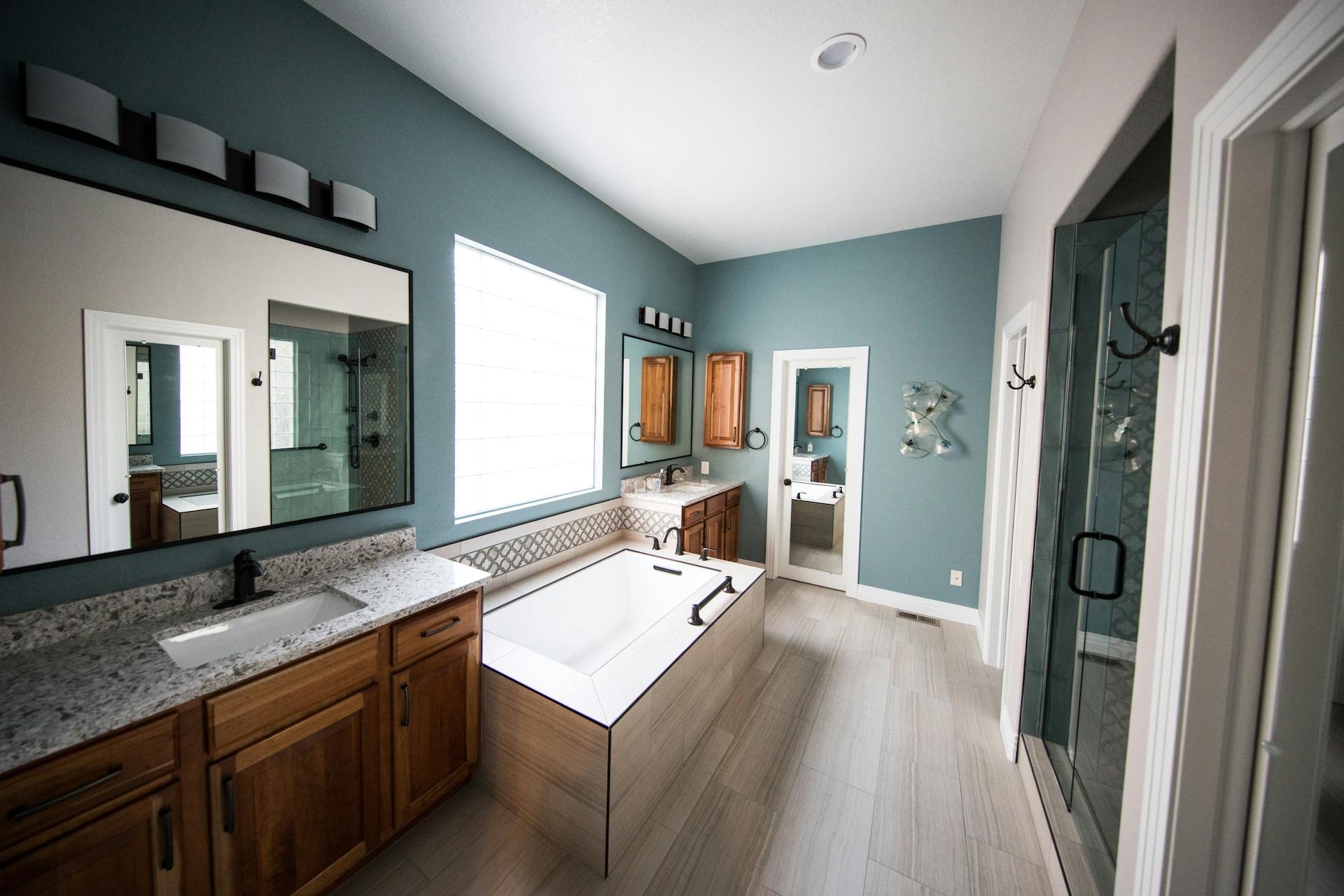
Clear goals make remodelling calmer and smarter. They focus money on what matters, shorten decision time, and give your team a shared target. The result is a home that looks like your vision and functions like your life.
Write it down, share it, and revisit it as the work moves forward. With a crisp plan and steady communication, you reduce surprises, protect your budget, and finish with a space you are proud to live in.

A dad of 3 kids and a keen writer covering a range of topics such as Internet marketing, SEO and more! When not writing, he’s found behind a drum kit.