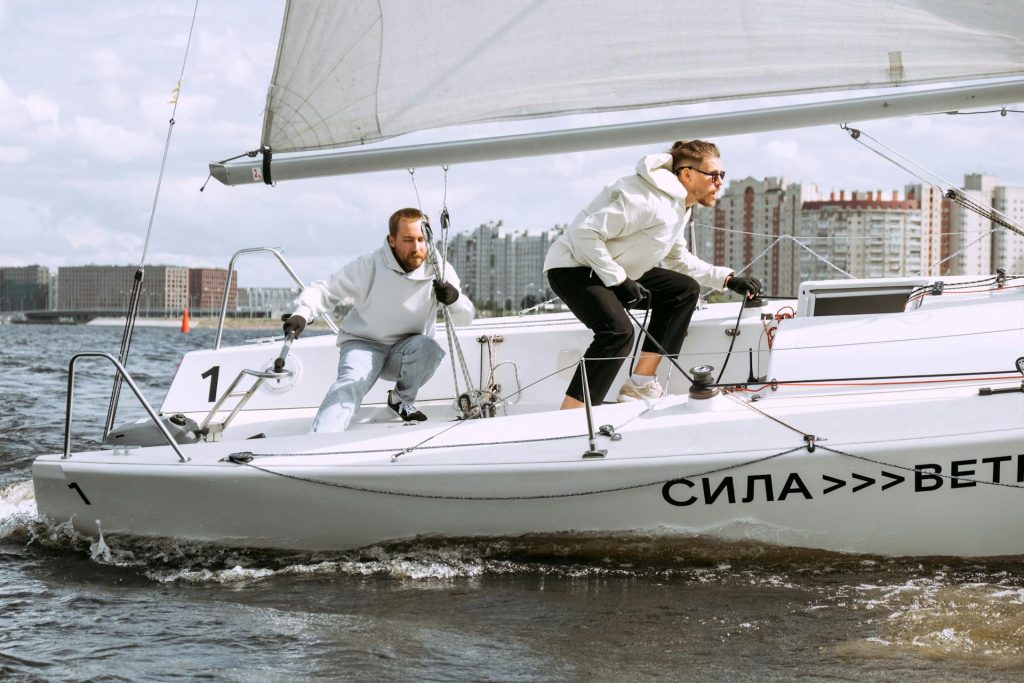
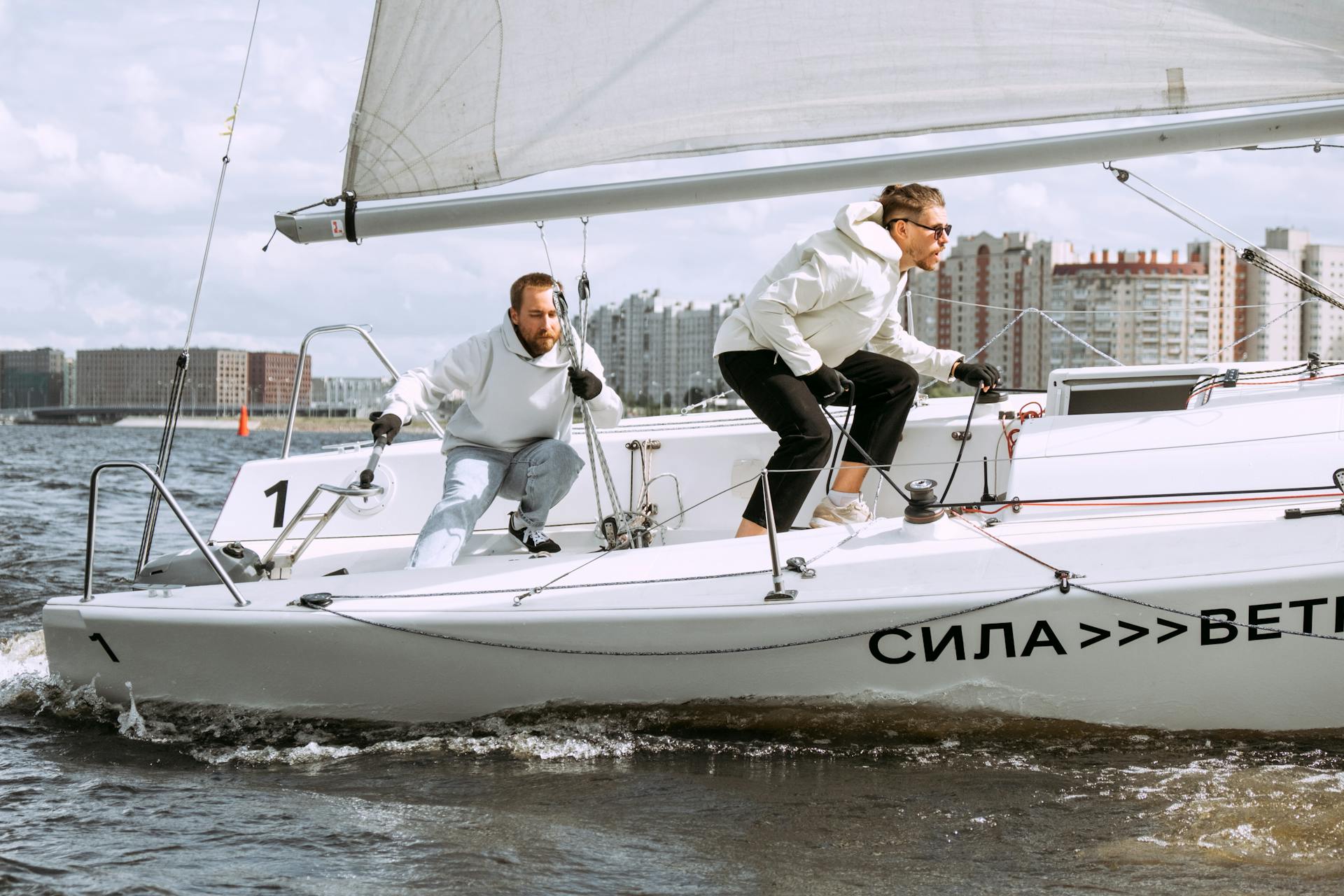
Outdoor team building trips offer organizations a unique opportunity to foster relationships, enhance communication, and encourage collaboration among team members. These excursions move beyond the typical office environment, allowing participants to engage in activities that challenge them physically and mentally.
To ensure these outings are enjoyable and effective in strengthening team bonds, several critical steps should be followed. From planning the logistics to facilitating open communication, understanding the vital elements can make a significant difference in the success of the trip.
Defining Clear Objectives
The first step in creating a successful outdoor team building trip is to define clear objectives. What are you aiming to achieve with this outing? Whether it’s enhancing communication skills, improving trust among team members, or simply taking a break from the daily grind, having a well-defined goal will guide all subsequent planning. Setting these objectives will help in choosing appropriate activities that align with the intended outcomes.
It can be beneficial to involve team members in discussing these goals. This fosters a sense of ownership and buy-in, which enhances their commitment to the trip. When everyone understands the purpose behind the gathering, they are more likely to engage fully and contribute positively to the experience.
Selecting the Right Location
The choice of location plays a pivotal role in the effectiveness of an outdoor team building trip. Selecting a venue that is conducive to the planned activities and accommodating to all team members is key. Consider locations known for their natural beauty and variety of team-building opportunities, such as parks, lakes, or mountains. These settings provide an inspiring backdrop and tend to promote relaxation and open-mindedness among the participants.
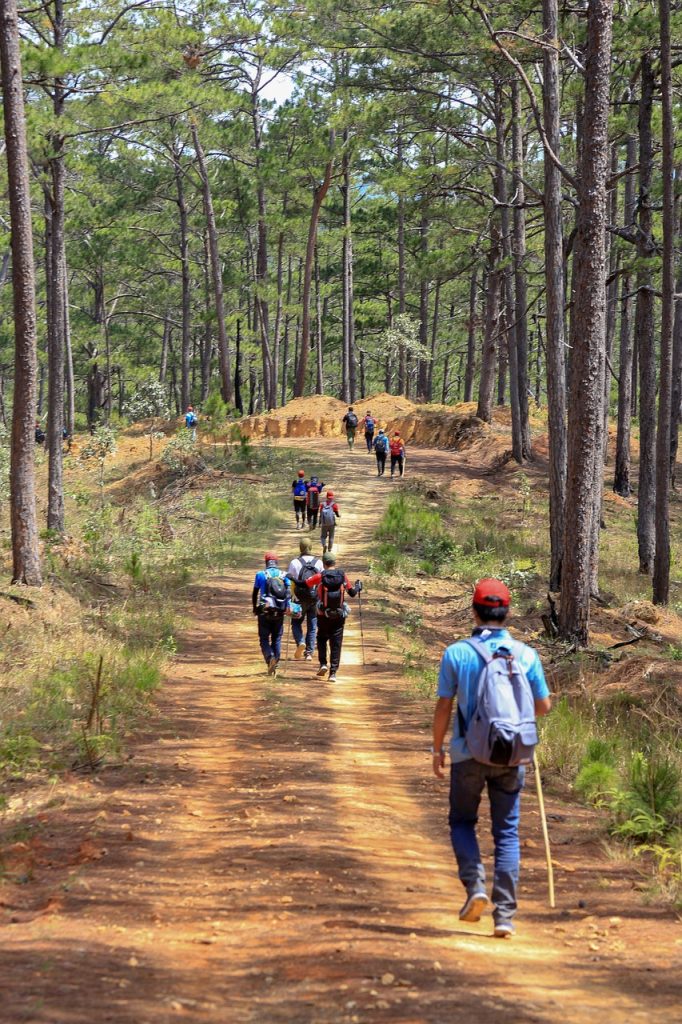
Incorporating activities such as hiking, kayaking, or even group fly fishing can facilitate team bonding in an enjoyable environment. Companies offering professional Fly Fishing Pyramid Lake services provide an excellent opportunity for teams to learn new skills while collaborating in a calming atmosphere, which can enhance team dynamics. Choosing the right location sets the tone for the entire experience, fostering stronger connections and lasting memories that benefit the team long after the trip ends.
Designing Engaging Activities
Activities should be designed to encourage participation from all team members while being tailored to fit the group’s strengths and weaknesses. Striking a balance between fun and challenge can lead to genuine bonding experiences. Consider activities that require problem-solving, competition, and creativity to engage various personality types. Collaborative exercises, such as group cooking challenges or trust-building games, foster communication and teamwork.
Encouraging leaders to emerge during the activities can help in identifying individual strengths and weaknesses within the team. This valuable insight can later translate into the workplace, enhancing performance. Always keep in mind that not all team members will thrive in physically demanding challenges. Having a range of activities ensures everyone can contribute.
Prioritizing Safety
Safety should always be a primary concern during outdoor excursions. Before engaging in any activity, conducting a thorough risk assessment is important. Participants should be informed of safety protocols and provided with any necessary equipment, such as helmets for biking or life jackets for water-based activities. Communicate openly about any potential risks associated with specific activities.
Ensuring that all team members are briefed on emergency procedures can instill a sense of security, allowing them to focus on the events rather than their safety concerns. Appointing a designated safety officer or experienced facilitator can further enhance safety during the trip. A comfortable and safe atmosphere promotes genuine engagement and enables participants to take risks, both physically and in terms of interpersonal relationships.
Encouraging Reflection and Feedback
After the activities conclude, encouraging reflection can solidify the learning experiences and the emotions surrounding them. Giving team members the chance to discuss their feelings about the day, what they learned about themselves, and how they interacted with their peers can be incredibly enlightening. This can be implemented through guided discussions, creative expression (such as art or writing), or feedback forms. All methods aimed at facilitating discussion should focus on what went well and on areas for improvement.
Capturing insights about what worked and what did not can help in tailoring future team-building initiatives. Constructive feedback may reveal unanticipated perspectives about team dynamics, enhancing future outings and day-to-day collaboration. Listening to participants’ thoughts on the experience will signal that their opinions matter, further fortifying organizational culture.
Building On the Experience
It’s good to build upon the experience gained during the outdoor trip. Teams should be encouraged to analyze how the skills and insights discovered during this time can translate into their work environment. Follow-up meetings or workshops can help embed the lessons learned, creating a continuous cycle of improvement and engagement.
Recognizing team members’ achievements during the trip can foster a sense of pride and belonging. Celebrating milestones, no matter how small, can serve as a reminder of the positive experiences shared, motivating individuals to carry that enthusiasm back into their daily roles.
When done correctly, outdoor team-building excursions can be invaluable experiences that foster communication, trust, and collaboration. By taking the time to plan thoughtfully and engage participants, organizations can create an environment that builds teams and cultivates a thriving workplace culture.

A dad of 3 kids and a keen writer covering a range of topics such as Internet marketing, SEO and more! When not writing, he’s found behind a drum kit.