The logistics world is big, busy, and always changing. At the heart of it all is the freight broker—an expert who connects shippers with carriers to keep things moving smoothly. Whether you’re looking to break into this exciting, high-potential career or want to sharpen your skills, finding the right freight broker training program is the key to success. Not sure where to start? Don’t worry! This guide is tailored to not only give you insights into the significance of training but also present the variety of options available to budding freight brokers.
Key Takeaways
- There are three main types of freight broker training: online classes, in-person courses, and on-the-job training.
- Online freight broker classes are generally less expensive and offer flexibility, but require self-motivation.
- In-person classes provide direct instructor interaction but can be more costly and require travel.
- On-the-job training allows you to learn by doing and get paid, but typically takes the longest.
- A good freight broker training program should cover startup basics, sales techniques, marketing, and operational knowledge.
Understanding Your Freight Broker Training Options
So, you’re looking to jump into the freight broker world? That’s awesome! But before you start making calls, you’ve got to get trained. Think of it like learning to drive – you wouldn’t just hop in and go, right? You need to know the rules of the road, how the car works, and how to handle different situations. Freight broker training is kind of the same deal. The right training sets you up for success and helps you avoid costly mistakes down the line. Luckily, there are a few main paths you can take to get your education.
Online Freight Broker Classes
This is probably the most popular route these days, and for good reason. Online classes are super flexible. You can usually start pretty much right away, often the same day you sign up. Plus, you can do them from anywhere – your couch, a coffee shop, wherever you’ve got internet. They’re often more affordable than in-person options too. You’ll get access to video lessons, downloadable materials, and sometimes even live Q&A sessions. It’s a great way to learn at your own speed.
- Flexibility: Learn on your own schedule, fitting it around your life.
- Accessibility: No need to travel; access from any internet-connected device.
- Pacing: Go through the material as quickly or as slowly as you need.
- Cost-Effectiveness: Generally less expensive than traditional classroom settings.
Online courses are a solid choice if you’re a self-starter and need to balance learning with other commitments. Just make sure the program you pick has good reviews and offers support when you need it.
In-Person Freight Broker Classes
If you prefer a more traditional classroom vibe, in-person training might be your jam. These classes are taught by instructors live, and you’ll be in a room with other students. It’s a good option if you learn best by interacting directly with a teacher and classmates, asking questions on the spot, and getting immediate feedback. These programs can range from a few days to a few months, depending on how in-depth they go. The downside? They usually cost more and might require you to travel or take time off work.
- Direct Interaction: Get real-time answers and feedback from instructors.
- Structured Environment: A set schedule can help with accountability.
- Networking: Opportunity to connect with fellow students who are also entering the field.
On-the-Job Freight Broker Training
This is where you learn by doing. You get hired by an existing company, maybe as an intern or an employee, and they train you as you work. It’s a hands-on approach, and you’re literally earning money while you learn. The biggest perk here is that you’re getting real-world experience from day one. However, it can take a lot longer to get the full picture, as you’ll be exposed to different aspects of the job gradually. Plus, your learning pace really depends on your trainer and the company’s structure.
- Earn While You Learn: Get paid while gaining practical experience.
- Real-World Application: Immediately apply what you learn to actual business operations.
- Mentorship: Often paired with experienced professionals who guide your development.
| Training Type | Typical Duration | Pros | Cons |
|---|---|---|---|
| Online Classes | Self-paced | Flexible, accessible, often affordable | Requires self-discipline, less direct interaction |
| In-Person Classes | Days to Months | Structured, direct feedback, networking | More expensive, requires travel, fixed schedule |
| On-the-Job Training | 6-18+ Months | Earn while learning, practical experience | Slower learning curve, schedule dependent |
Key Skills Covered in Freight Broker Classes
So, you’re looking to break into the freight brokerage world? That’s awesome! But before you start making calls, you need to know what you’re doing. Good training programs aren’t just about getting a certificate; they’re about equipping you with the actual skills you’ll use every single day. Think of it like learning to drive – you need to know the rules of the road, how to handle the car, and what to do in different situations.
Freight Broker Startup Essentials
Getting your business off the ground is more than just hanging out a shingle. You’ll learn the nitty-gritty details, like how to set up your business legally, what kind of insurance you actually need, and how to get your operating authority. It’s not the most glamorous part, but it’s super important. You’ll also cover things like:
- Understanding surety bonds and why they’re necessary.
- Setting up a functional home office space.
- Developing realistic goals for your new venture.
Starting a business without knowing the foundational steps is like building a house on sand. You need a solid plan and understanding of the regulations and requirements to avoid costly mistakes down the line.
Mastering Freight Broker Sales Techniques
This is where the money is made, folks. You’ve got to be able to sell your services to shippers. Training will show you how to talk to potential clients, ask the right questions to understand their needs, and how to actually close a deal. You’ll learn about:
- Effective methods for reaching out to new shippers.
- Strategies for turning one client into many through referrals.
- How to quickly and accurately provide rate quotes that make sense for both you and the shipper.
Effective Freight Broker Marketing Strategies
Once you know how to sell, you need to get people to know you exist. Marketing is all about getting your name out there. This includes setting up a basic website, creating professional documents that shippers and carriers will see, and figuring out how to generate leads. You’ll explore:
- Using online advertising to find new business.
- Content marketing to attract shippers to your services.
- Offline methods like trade shows and networking to build your client base. A good training program will give you a solid overview of how to register your business and start connecting with people.
Navigating Freight Broker Operations
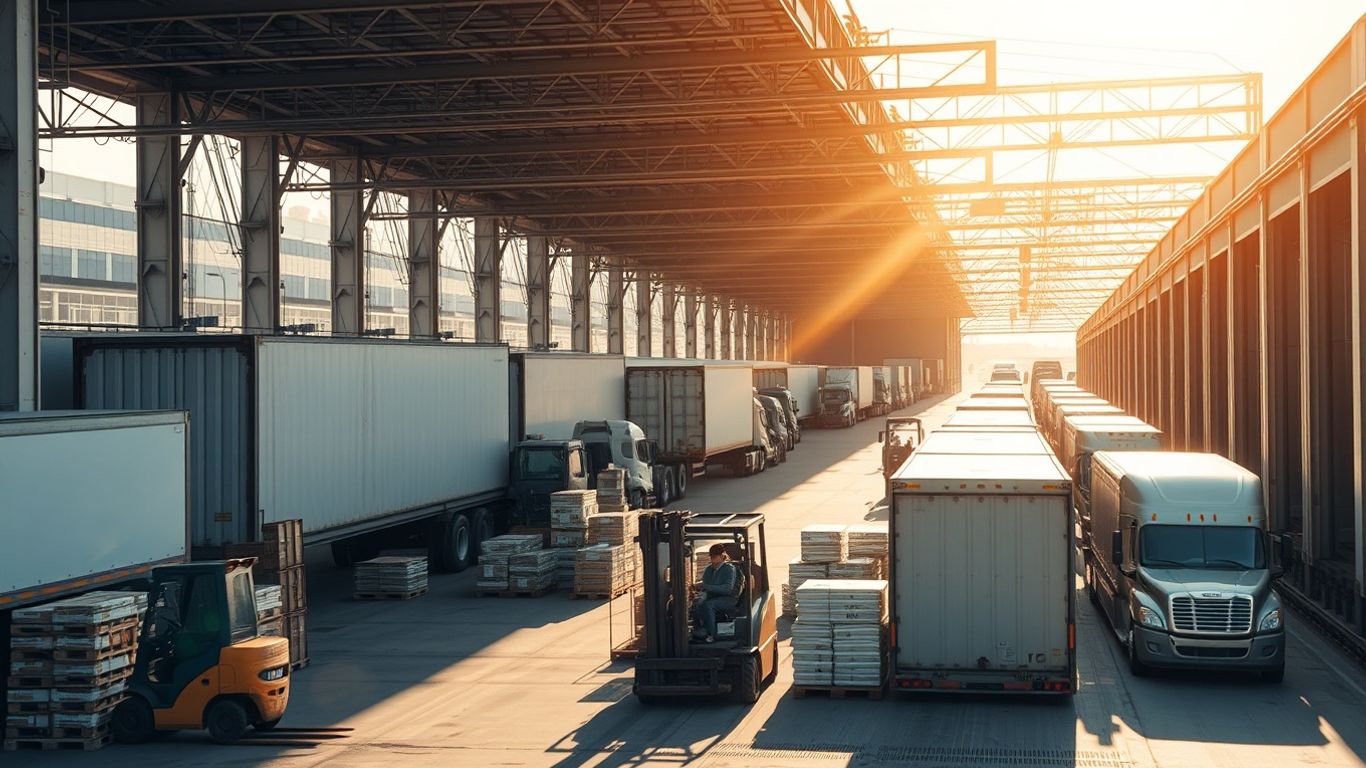
Alright, so you’ve got the basics down, but what about the day-to-day grind of actually moving freight? This is where things get real. You’re the conductor of a big, complex orchestra, and if one instrument is out of tune, the whole show can fall apart. So, let’s talk about the tools and processes that keep the music playing.
Essential Freight Broker Software
Think of software as your digital toolkit. Without the right programs, you’re basically trying to build a house with just a hammer. You need systems that help you manage everything from finding loads to tracking them and getting paid. Good software makes your job easier, faster, and way less prone to errors. It’s not just about having a computer; it’s about having the right computer programs.
- Transportation Management Systems (TMS): These are the big players. A good TMS can help you manage loads, carriers, customers, and all the paperwork. It’s like your central command center.
- Load Boards: These are online marketplaces where shippers post loads and carriers look for them. Knowing which ones are best for your niche is key.
- Accounting Software: You need to track your money, send invoices, and get paid. Simple accounting tools or more advanced systems can handle this.
- Customer Relationship Management (CRM): Keeping track of your clients and potential clients is important. A CRM helps you stay organized and follow up.
Understanding Shipping Processes
This is the nitty-gritty. You need to know how freight actually gets from Point A to Point B. It sounds simple, but there are a lot of moving parts.
- Order Placement: A shipper needs something moved and contacts you.
- Carrier Selection: You find a reliable carrier with the right equipment and availability.
- Dispatch: You arrange the pickup time and location with the carrier and the shipper.
- Transit: The carrier picks up the load and transports it.
- Delivery: The carrier drops off the load at the destination.
- Confirmation & Billing: You get confirmation of delivery and then bill the shipper, while also paying the carrier.
The whole point is to make this process smooth for everyone involved. Shippers want their stuff moved on time and without hassle. Carriers want clear instructions and fair payment. Your job is to make sure both sides are happy and that the freight keeps moving.
Leveraging Load Boards and Trailer Types
Knowing your tools and your equipment is half the battle. Load boards are your hunting grounds for business, and understanding different trailer types means you can take on a wider variety of jobs.
- Dry Van: The most common. Think of a big, enclosed box trailer. Good for general freight that doesn’t need special temperature control.
- Refrigerated (Reefer): These trailers have built-in cooling units. Perfect for food, pharmaceuticals, or anything that needs to stay cold.
- Flatbed: Open trailers with no sides or roof. Used for oversized items, construction materials, or machinery that can’t fit in a standard van.
- Specialty Trailers: There are many others, like step-decks, tank trailers, and auto haulers, each designed for specific types of cargo.
Being familiar with these different trailer types allows you to match the right carrier and equipment to the shipper’s specific needs, which is a big part of being a good broker.
Choosing the Right Freight Broker Training School

So, you’ve decided to jump into the freight brokerage world. That’s great! But before you start booking loads, you need to get trained. Picking the right school is a big deal, and honestly, it can feel a bit overwhelming with all the options out there. It’s not just about finding a class; it’s about finding the one that fits you and sets you up for success.
Evaluating Training Program Costs
Let’s talk money. Training programs can range quite a bit in price. Some online courses might be a few hundred dollars, while intensive in-person programs could run into the thousands. You’ve got to figure out what your budget looks like. Remember, the cheapest option isn’t always the best, and the most expensive doesn’t guarantee quality. Think about what you get for your money – is it just videos, or does it include live Q&A, mentorship, or job placement help? A good way to look at it is an investment in your future business.
Here’s a rough idea of what you might see:
| Program Type | Typical Cost Range |
|---|---|
| Online Courses | $200 – $1,500 |
| In-Person Workshops | $1,000 – $5,000 |
| On-the-Job Training | Often Unpaid/Low Pay |
Assessing Learning Styles and Preferences
How do you learn best? Are you someone who thrives in a structured classroom, asking questions on the spot? Or do you prefer to learn at your own pace, maybe rewatching lectures or pausing to take notes? Online courses give you flexibility – you can study in your pajamas at 2 AM if you want. In-person classes offer direct interaction with instructors and other students, which can be really helpful for networking and getting immediate feedback. On-the-job training is hands-on, but it can take a lot longer to see all aspects of the business.
- Self-Paced Learners: Online courses are usually the best fit. You control the schedule.
- Interactive Learners: In-person classes or programs with live online sessions might be better. You get real-time interaction.
- Hands-On Learners: On-the-job training is the most direct, but requires finding an employer willing to train you.
The Value of Instructor-Led Training
There’s something to be said for learning from someone who’s actually done it. Instructor-led training, whether online or in person, often means you’re learning from experienced freight brokers. They can share real-world stories, warn you about common pitfalls, and give you practical advice that you won’t find in a textbook. This kind of practical insight is often what separates a struggling new broker from a successful one. While self-study is possible, having a guide who can answer your specific questions and offer tailored advice can significantly speed up your learning curve and boost your confidence.
When you’re evaluating a program, don’t just look at the curriculum. Check out the instructors. What’s their background? Have they actually run a successful brokerage? Reviews and testimonials can give you a good idea of their teaching style and the results their students have achieved.
Building a Successful Freight Broker Career
So, you’ve gone through the training, you know the ropes, and you’re ready to make your mark in the logistics world. That’s awesome! But getting your freight broker business off the ground and keeping it thriving is a whole other ballgame. It’s not just about moving loads; it’s about building something solid that lasts.
The Role of Customer Service
Think about it: who keeps the wheels turning? Your customers, that’s who. Whether it’s a shipper needing to get their goods from point A to point B, or a carrier looking for their next haul, treating them right is non-negotiable. Good customer service means being responsive, clear, and honest. It’s about solving problems before they even become big headaches. When you build trust with your clients, they stick around. And happy clients? They’re the best kind of advertising you can get.
Developing Strong Negotiation Abilities
Negotiation is pretty much the bread and butter of being a freight broker. You’re constantly working to find that sweet spot where both the shipper and the carrier feel like they got a fair deal. This isn’t just about haggling over prices, though. It’s about understanding the market, knowing the value of the service, and being able to communicate that effectively. You need to be able to talk numbers, but also talk about reliability, timing, and the overall service quality. Getting good at this takes practice, and honestly, a bit of intuition.
Building Lasting Industry Relationships
This industry runs on connections. You can’t just be a transactional broker; you need to build real relationships. That means getting to know your carriers – understanding their equipment, their routes, and their availability. It also means building rapport with shippers, understanding their business needs and their shipping patterns. The stronger your network of reliable carriers and satisfied shippers, the more resilient and profitable your business will be. Think of it as building a team where everyone trusts each other to do their part. It takes time and consistent effort, but these relationships are what will carry you through market ups and downs. If you’re looking to get started, exploring options for starting your business can be a good first step.
Wrapping It Up
So, you’ve looked at the different ways you can learn to be a freight broker. Whether you like learning from your couch, sitting in a classroom, or jumping right in and learning on the job, there’s a path for you. Picking the right training is a big step, but it sets you up to do well in this busy industry. Don’t just jump in without a plan. Take what you’ve learned here and find the program that fits you best. Your new career in logistics is waiting.
Frequently Asked Questions
What exactly does a freight broker do?
Think of a freight broker as a matchmaker for moving goods. They don’t own trucks, but they connect people who need to ship things (shippers) with companies that have trucks to haul them (carriers). They handle all the details, like finding the right truck, setting prices, and making sure everything arrives on time.
Why is training important for freight brokers?
The shipping world can be complicated! Training teaches you all the important stuff, like how to find customers, how to talk to truck drivers and companies, how to handle paperwork, and the rules of the road. It helps you start your business the right way and avoid common mistakes.
What are the different ways to learn about freight brokering?
You have a few main choices! You can take classes online from your home, attend in-person classes at a school, or learn by actually working at a freight brokerage company. Each way has its own good and not-so-good points, so you pick what fits you best.
What kind of skills will I learn in a freight broker class?
You’ll learn how to get your business started, like what licenses you might need and how to set up your office. You’ll also learn how to sell your services, find new customers, and use special software and websites to find loads and trucks.
How much do freight broker classes usually cost?
The price can change a lot. Online classes are often the cheapest, sometimes costing just a couple hundred dollars. In-person classes can be more expensive, maybe costing a few thousand dollars. Learning on the job might mean you get paid while you learn, but it can take longer.
How can I pick the best training program for me?
Think about how you learn best. Do you like learning on your own schedule online, or do you prefer a teacher in a classroom? Also, consider how much time and money you can spend. Look for programs that cover the topics you need and have good reviews.