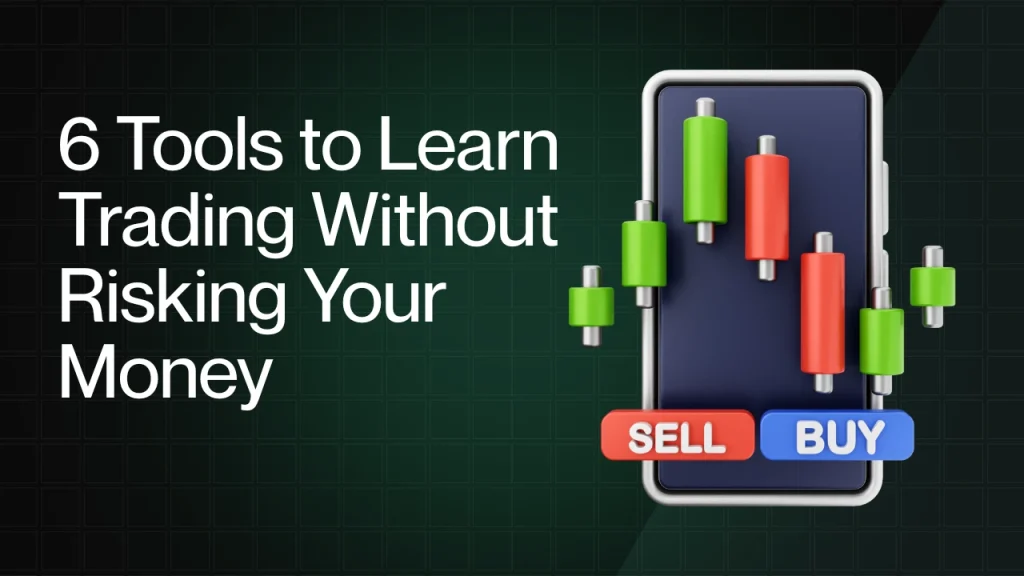
Jumping into trading with real money can be costly. And first losses frequently dishearten novices. Fortunately, you need not jeopardize your funds to acquire knowledge. Luckily, currently, a diverse array of investment tools enables the examination, practice, and enhancement of methods inside secure environments.
These tools allow you to make mistakes, grow from them, and come to better choices without losing any money. They assist in comprehending the reality of trading — market velocity, emotional strain, and strategic rigor — prior to financial investment.
1. Educational Trading Courses and Platforms
Formal education gives structure and guidance that random internet searches cannot. Online platforms such as Coursera, Udemy, and specialized trading academies offer courses from beginner to advanced levels. These courses often cover:
| Topic | Focus Area |
| Technical analysis | Interpreting charts, seeing trends, and utilizing indications |
| Fundamental analysis | Assessing corporate performance, economic analyses, and macroeconomic trends |
| Risk management | Position size, stop-loss methodologies, and diversification |
| Trading psychology | Methods for regulating emotions and preventing impulsive choices |
Platforms suggest certification programs, which can be valuable if you aim to trade professionally or advise others. Beyond credibility, certifications show that you are committed to structured study.
Many brokerages also provide free resources. They host webinars, tutorials, and regular market briefings. These resources often include interactive elements such as:
- Quizzes that test your knowledge after each lesson
- Case studies that show how theory applies to real events
- Practical assignments that simulate actual decision-making.
2. Trading Books and Market Literature
Books remain one of the cheapest yet most powerful ways to absorb investing wisdom. While online content can be scattered, books provide focused lessons that stand the test of time. Some classics include:
A collection of interviews with top traders, revealing diverse approaches to markets.
- Technical Analysis of the Financial Markets by John Murphy
A detailed guide to charting, patterns, and indicators.
- The Intelligent Investor by Benjamin Graham
A timeless book on value investing and disciplined risk management.
These books give you insights into both mindset and methodology. For example, Schwager’s interviews show how different personalities succeed with unique strategies, while Murphy’s technical guide gives you practical tools for chart analysis.
Reading widely exposes you to multiple trading philosophies. You may resonate with some approaches more than others. Over time, you can blend these insights into a strategy that suits your personality, risk tolerance, and goals.
To get the most out of books:
- Take notes on strategies and principles you want to test later
- Compare the advice of different authors to find common themes
- Apply lessons in a simulator before trying them with real money.
In investing, ideas are easy to read but hard to practice. Books give you the theory, but real progress comes when you apply the lessons.
3. Paper Trading Simulators
Paper trading is one of the best bridges between theory and live markets. It allows you to practice trading using live market data, but with virtual money.
Tools, such as WR Trading online practice trading simulator, Interactive Brokers, and E*TRADE products, let you learn and experience:
- Real-time market movements
- Order execution with different order types
- Platform navigation and setup.
The advantage is obvious — you gain hands-on experience with zero financial risk. Simulators frequently include performance metrics, encompassing profit/loss ratios, win rates, and drawdowns. These measures elucidate your strengths and limitations, assisting you in refining your strategy.
However, a free online trading simulator has a few limitations:
- Without real money at risk, emotions may not feel real. You might hold onto losing trades too long or take risks you would avoid with cash on the line.
- Success in simulation may create false confidence, making the transition to real money difficult.
To get maximum benefit:
- Treat paper trades as if they were real. Use proper position sizing and apply strict risk rules
- Record your trades in a journal, noting your reasoning and outcome
- Avoid random trades. and try to test clear strategies and measure results.
Advanced simulators expand beyond stocks to include options, futures, and forex markets. This lets you explore different instruments safely and discover what suits you best.
4. Market Analysis Tools and Charting Software
Technical analysis is a core skill for traders, and charting platforms provide the training ground. Tools like TradingView, MetaTrader, and TrendSpider allow you to:
- Analyze price action with candlestick charts
- Identify support and resistance zones
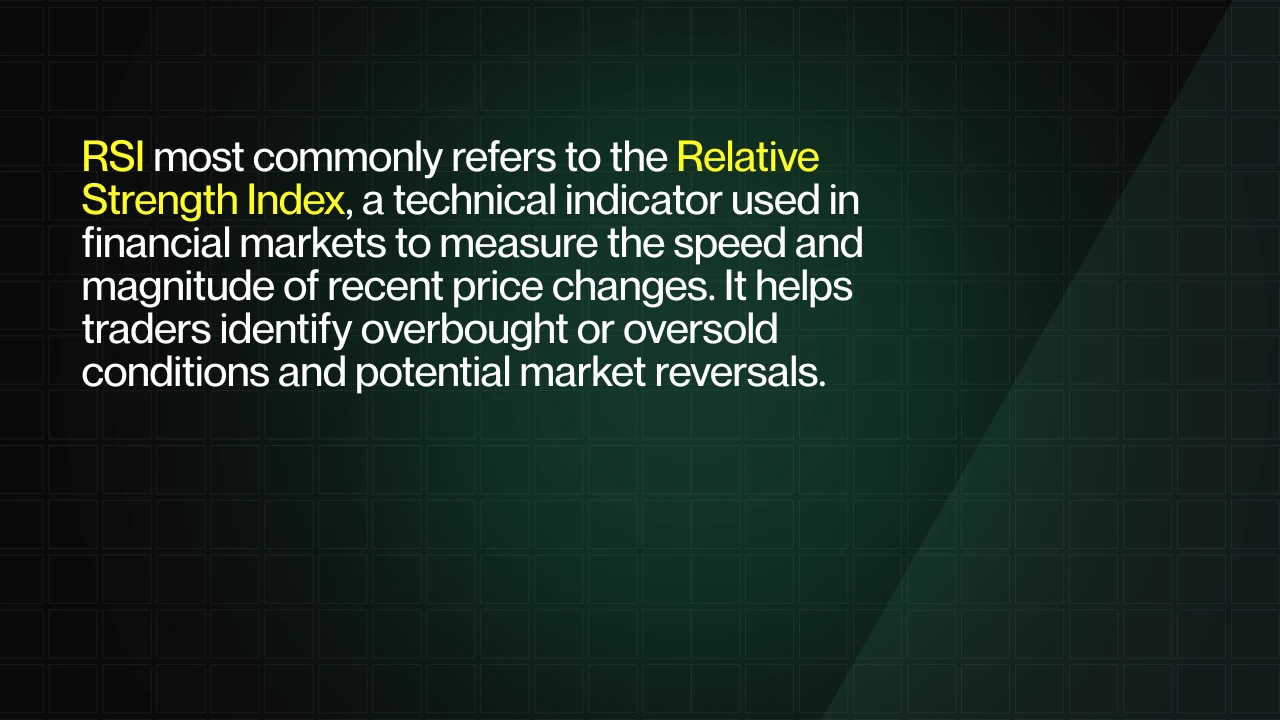
- Apply indicators such as moving averages, RSI, and MACD
- Backtest strategies on historical data.
Charting tools also help you practice drawing trendlines, channels, and chart patterns. Over time, you build the ability to spot opportunities quickly.
The key is not to memorize patterns blindly but to ask: Why does this pattern work? What market psychology drives it? By answering these questions, you build deeper insight rather than shallow recognition.
5. Trading Communities and Forums
Investing can feel lonely, especially when you are learning on your own. And communities provide support, feedback, and a chance to learn from others’ experiences.
Popular spaces include:
- Reddit trading subreddits
- Discord servers with investing groups
- Specialized forums and online clubs.
These communities offer:
- Mentorship opportunities, where experienced traders share lessons from their careers
- Discussions on strategies, which expose you to fresh ideas
- Market updates and alerts, often faster than news sites.
However, communities also have risks. Many members promote high-risk speculation or unrealistic profits. Approach forums as places for idea exchange, not signals to copy blindly. The goal is to build your understanding, not to chase shortcuts.
6. Demo Trading Apps and Mobile Platforms
For learners on the go, mobile demo accounts offer an excellent entry point. Apps such as Wall Street Survivor and broker-specific platforms provide user-friendly practice environments.
Key advantages include:
- Accessibility: You can practice during market hours or on commutes.
- Engagement: Many apps gamify trading with competitions, achievements, and leaderboards.
- Integration: Some combine market news, analysis, and education into one app.
A demo account keeps you engaged and helps you develop habits of regular market observation. It also prepares you for fast decision-making, which is critical during live trading.
While mobile training apps are great for beginners, they often lack the depth of desktop platforms. Once you gain confidence, you may need to transition to more advanced software.
Summary Table: 6 Tools for Risk-Free Trading Practice
| Tool | Main Purpose | Examples | Key Benefit | Limitation |
| Courses & Platforms | Structured learning | Coursera, Udemy | Systematic education | May lack hands-on practice |
| Books | Theory and principles | Schwager, Murphy, Graham | Timeless insights | No interactivity |
| Paper Trading | Live data, virtual money | WR Trading online practice trading simulator, IB, E*TRADE | Realistic practice | No emotional pressure |
| Charting Software | Technical analysis | TradingView, MetaTrader | Pattern recognition, backtesting | Can feel overwhelming at first |
| Communities | Peer learning | Reddit, Discord | Mentorship, shared ideas | Risk of poor advice |
| Demo Mobile Accounts | On-the-go practice | Wall Street Survivor | Accessible, gamified learning | Limited depth |
How Should a Novice Proceed? A Comprehensive Checklist
If you are new to investing, here is a simple path to follow:
- Take a beginner course and read at least one classic trading book
- Open a paper trading account and practice basic order types
- Learn to read price action and apply simple indicators
- Ask questions, share ideas, and observe experienced traders
- Once you have consistent paper trading results, start with small real-money trades.

Bottom Line
Becoming a skilled trader takes patience and consistent effort. No single tool will make you successful. Instead, progress comes from combining education, practice, analysis, and discipline.
These six tools offer a safe and structured environment to build your foundation. Just for the traders like you, they provide education, experience, and confidence without the financial stress of actual trading. However, you should always put risk management ahead of seeking short-term gains as you develop. These materials will set you up for enduring market success only if you put in the necessary effort.

Shikha Negi is a Content Writer at ztudium with expertise in writing and proofreading content. Having created more than 500 articles encompassing a diverse range of educational topics, from breaking news to in-depth analysis and long-form content, Shikha has a deep understanding of emerging trends in business, technology (including AI, blockchain, and the metaverse), and societal shifts, As the author at Sarvgyan News, Shikha has demonstrated expertise in crafting engaging and informative content tailored for various audiences, including students, educators, and professionals.